This article provides a detailed look at the ingredients commonly found in clay masks, with a specific focus on a peptide-infused formula designed to restore and hydrate the skin. Understanding these components can help users make informed choices about their skincare.
Core Ingredients and Their Functions
Water (Aqua/H2O)
The most ubiquitous ingredient in cosmetics, water, also known as H2O, serves as the primary solvent. In cosmetic formulations, it is purified and deionized, meaning mineral ions are removed to ensure purity and stability.
Clays: Kaolin and Bentonite
Clay masks are a staple in many skincare routines, primarily for their absorbent properties. Two common types are kaolin and bentonite.
Kaolin Clay
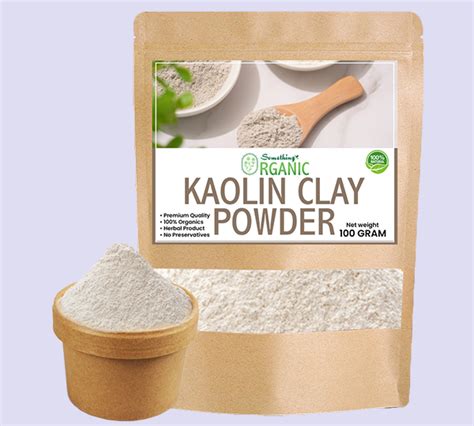
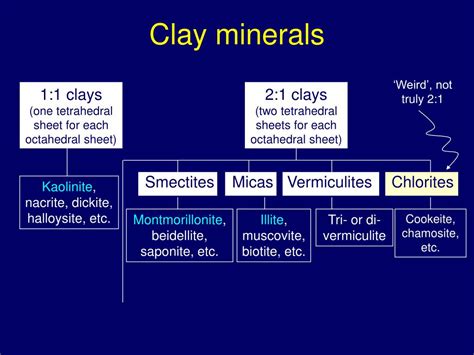
Kaolin is a naturally occurring hydrous aluminum silicate. Unlike the more commonly imagined "muddy" clays, kaolin is a fine, white powder. It is absorbent and effectively removes excess sebum and impurities from the skin, though its action is generally less aggressive than bentonite.
Bentonite Clay
Bentonite is a highly absorbent clay that comes in various colors, each indicating different mineral content. White bentonite is rich in boron and fluoride, yellow in manganese and zinc, green in copper, zinc, and manganese, and pink clay is rich in boron. Regardless of color, bentonite excels at absorbing sebum and impurities, leaving the skin feeling smooth and matte. Bentonite possesses a negative ionic charge, allowing it to attract positively charged impurities. However, its strong absorbent nature can lead to over-drying the skin if used too frequently.
Humectants and Emollients
These ingredients are crucial for maintaining skin hydration and texture.
Glycerin
Glycerin is a humectant, meaning it helps the skin retain moisture. It is a sweet-tasting sugar substitute that draws water to the skin, keeping it hydrated. Glycerin also contributes to thickening cosmetic products and providing a smoother application feel.
Propanediol
Propanediol is a natural, corn-derived glycol that serves as a multi-functional ingredient. It offers a soft, pleasant feel to the skin, acts as a humectant and emollient, and can function as a solvent for other ingredients, aiding in the stabilization of fragrances and the even dispersion of pigments in makeup.
Emulsifiers and Thickeners
These ingredients ensure that oil and water-based components blend seamlessly and achieve the desired product consistency.
Glyceryl Stearate SE
Glyceryl Stearate SE is an ingredient derived from glycerin and stearic acid. The "SE" (Self-Emulsifying) grade contains a small amount of water-loving soap molecules, such as sodium stearate, allowing it to blend with water independently. It is readily biodegradable and occurs naturally in the body.
Glyceryl Stearate
Chemically, Glyceryl Stearate is the attachment of a single glycerin molecule to stearic acid. It is often paired with Glyceryl Stearate SE to form a highly effective emulsifier duo that is stable across a wide pH range and tolerant to salts and acids.
Magnesium Aluminum Silicate (MAS)
Magnesium Aluminum Silicate (MAS) is a type of clay mineral that functions as a thickener and stabilizer. Its platelet-like structure with alternating positive and negative charges creates a "house of cards" formation, which thickens the product in the jar but becomes easily spreadable upon application (thixotropy). MAS also provides a rich, creamy, and non-tacky skin feel.
Xanthan Gum
Xanthan gum is a widely used thickener and emulsion stabilizer. It transforms runny formulations into a more gel-like consistency. While effective alone, it is often combined with other thickeners and rheology modifiers to optimize the product's flow and feel. Xanthan gum is a naturally derived polysaccharide produced through fermentation.
Active and Beneficial Ingredients
These ingredients are chosen for their specific skin benefits.
Centella Asiatica (Gotu Kola/Cica)
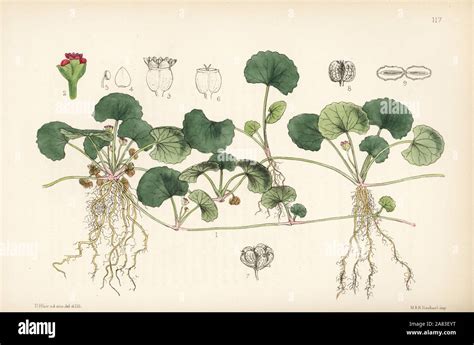
Centella Asiatica, also known as Gotu Kola or Cica, has a long history in folk medicine and is now recognized by science for its numerous benefits. Its active compounds, such as asiaticoside and madecassoside, stimulate the synthesis of glycosaminoglycans (GAGs), including hyaluronic acid, which are vital for skin hydration. Madecassoside also aids in wound healing by boosting antioxidant activity and collagen production. Centella Asiatica is frequently found in products targeting cellulite or stretch marks, owing to its proven wound-healing, anti-inflammatory, and antioxidant properties.
Peptides
In the context of the specific mask mentioned, Peptides are highlighted as cell-communicating ingredients. The formula includes Copper Tripeptide-1 and Acetyl Hexapeptide-8. These peptides are known to deeply hydrate the skin, boost natural collagen production, and improve the skin's barrier function.
Panthenol
Panthenol, a derivative of Vitamin B5, is a humectant and emollient that improves skin hydration, softness, and elasticity. It also has soothing and anti-inflammatory properties.
pH Regulators and Exfoliants
Sodium Lactate
Sodium Lactate is the sodium salt of lactic acid. It acts as an excellent skin moisturizer and is used to regulate the pH of cosmetic formulations. Lactic acid itself is a superstar AHA known for its exfoliating and moisturizing capabilities.
Preservatives
Preservatives are essential for preventing microbial growth and ensuring product safety.
Caprylyl Glycol and Phenoxyethanol (Optiphen)
The blend of Caprylyl Glycol and Phenoxyethanol, often marketed as Optiphen, is a common preservative system. It effectively protects cosmetics from bacteria, fungi, and yeast. Phenoxyethanol, in particular, is a widely used, gentle preservative with a good safety profile, found naturally in green tea but typically synthesized for cosmetic use.
Colorants and Fragrances
Chromium Oxide Greens (CI 77288)
Chromium Oxide Greens is an inorganic pigment that provides dull olive-green shades. It is used as a colorant in cosmetic products.
Ultramarines (CI 77007)
Ultramarines are a group of inorganic pigments used to provide blue shades. They are often used in conjunction with other colorants to achieve specific hues.
Fragrance
The term "Fragrance" on an ingredient list indicates the presence of aromatic compounds that provide scent to the product. The specific components are usually proprietary.
Mentha Piperita (Peppermint) Oil
The essential oil from peppermint has well-known refreshing and cooling properties due to its major component, menthol. While it offers a pleasant scent and sensation, it can also be a skin irritant and is sometimes used as a counterirritant.
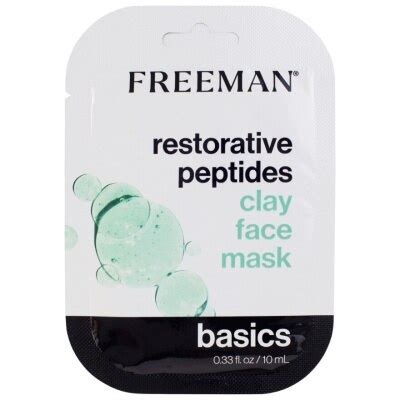
Product Specifics: Basics Restorative Peptides Clay Mask
The Basics Restorative Peptides Clay Mask is formulated for all skin types, including sensitive skin. It aims to deeply hydrate, boost collagen, and improve the skin's barrier. The mask's ingredient list includes:
WATER, KAOLIN, GLYCERIN, BENTONITE, GLYCERYL STEARATE SE, POLYSORBATE 20, COPPER TRIPEPTIDE-1, ACETYL HEXAPEPTIDE-8, PANTHENOL, GLYCERYL STEARATE, PEG-100 STEARATE, XANTHAN GUM, MAGNESIUM ALUMINUM SILICATE, 1,2-HEXANEDIOL, HYDROXYACETOPHENONE, FRAGRANCE, CHROMIUM OXIDE GREENS (CI 77288), ULTRAMARINES (CI 77007).
The active ingredients, Peptides and Panthenol, are the primary drivers of the mask's restorative and hydrating claims.
It is important to note that for sun protection, incorporating an SPF into one's routine is recommended, especially when exposing skin to the sun.