The concept of washing hair with a cleansing conditioner, often referred to as co-washing, can initially seem counterintuitive, especially for those accustomed to the lathering experience of traditional shampoos. Many individuals, like the author, have expressed skepticism, fearing that foregoing shampoo would lead to greasy, unmanageable hair. However, personal experience and a deeper understanding of hair science reveal the significant benefits of this gentler cleansing method.
The initial apprehension towards co-washing often stems from a deeply ingrained association between bubbles and effective cleaning. Bubbles signal the presence of cleaning agents, which are believed to remove oils. While this is true, it overlooks a crucial aspect of hair health: the necessity of retaining natural oils, known as sebum. Sebum is a powerful, innate conditioner that hydrates and protects the scalp and hair strands, often proving more beneficial than even the most expensive commercial or natural oils.
For many, particularly those with specific hair types, co-washing has become a transformative practice. It addresses common concerns such as dryness, breakage, and dullness, leading to noticeably improved hair texture and appearance. The key lies in understanding that not all hair requires the harsh stripping action of shampoo to be clean and healthy.
The Science Behind Sebum and Co-Washing
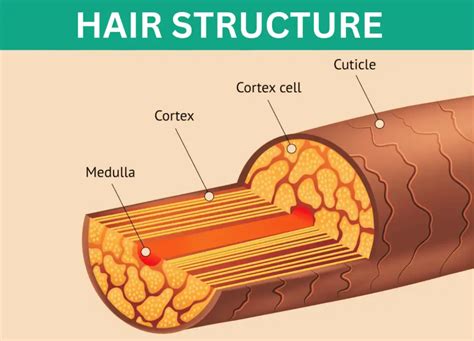
Sebum, the natural oil produced by the sebaceous glands in the scalp, plays a vital role in maintaining hair health. It forms a protective barrier that seals the hair cuticle, preventing moisture loss and protecting against environmental damage. Shampoos, particularly those with harsh sulfates, can strip away this essential sebum, leaving hair vulnerable and prone to dryness and breakage. Cleansing conditioners, on the other hand, offer a milder alternative, cleaning the hair while preserving a significant portion of its natural oils.
How to Co-Wash Effectively
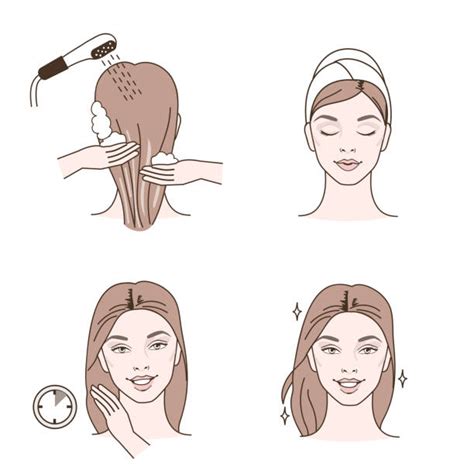
While specific instructions may vary by brand, a general approach to co-washing involves dividing the hair into sections. Applying a few pumps of cleansing conditioner to the scalp and massaging it in for a couple of minutes before rinsing thoroughly can effectively cleanse the hair without stripping it.
Who Benefits Most from Co-Washing?
Curly, Thick, Wavy, or Coarse Hair
Individuals with curly hair often benefit immensely from co-washing, as curly textures naturally tend to be drier and require more moisture. Similarly, thick and coarse hair types can greatly benefit from the added moisture and conditioning properties of cleansing conditioners, addressing issues of dryness and brittleness.
Fine, Straight, Lightly Wavy, or Limp Hair
For those with fine, straight, or limp hair who are hesitant to fully commit to co-washing, alternating between cleansing conditioners and traditional shampoos is a viable option. This approach helps to retain more natural oils than shampooing alone, improving overall hair health and reducing the likelihood of over-drying. For example, someone with fine but abundant hair might choose to co-wash twice a week and use a regular shampoo once a week.
Despite the initial learning curve and the psychological adjustment to less lather, the results of co-washing can be astonishing, leaving hair feeling remarkably light, airy, and healthy.
A Closer Look at Cleansing Conditioner Products
The market now offers a variety of cleansing conditioners tailored to different hair needs. Here's a look at some notable options:
For Color-Treated Hair
- Vidal Sassoon Pro Series ColorFinity Smoothing Cleansing Conditioner: This product features gentle cleansers that preserve hair color and moisture. It has been praised for leaving color-damaged hair feeling smooth and hydrated, even after exposure to saltwater.
For Normal or Color-Treated Hair
- Pureology Hydrate Cleansing Conditioner: Formulated with rosemary extract, vitamins C and E, this conditioner softens and hydrates hair without fading color. While marketed for all hair types, some fine-haired individuals may find it necessary to manage excess oil.
For Normal to Oily Hair
- Not Your Mother's Clean Freak Cleansing Conditioner: Enriched with raspberry extract, raspberry-seed oil, and quinoa protein, this conditioner strengthens and smooths hair without leaving a greasy residue. Users with normal hair might find it beneficial to pair with a heavier conditioner on their ends.
For Oily Hair
- R + Co Analog Cleansing Foam Conditioner: Designed for those who miss the sudsy feeling, this foam conditioner uses non-sulfate foaming agents. Its argan oil and nettle-leaf extract help create full, luminous, and grease-free hair. Those with very dry hair might still need a separate conditioner for their ends.
For Damaged Hair
- Pantene Pro-V Damage Repair Cleansing Conditioner: This thick formula is designed to deep-condition and smooth the hair cuticle, aiding in the repair of heat-damaged hair. While it can make hair feel softer, some users may experience buildup at the roots and benefit from occasional use of a clarifying shampoo.
For Fine Hair
- Herbal Essences Naked Cleansing Conditioner: Despite initial hesitation with its thick texture and recommended quantity, this cleansing conditioner has been reported to leave fine hair looking bouncy, silky, and incredibly soft after drying.
For Coarse Hair
- Head & Shoulders Moisture Care Co-Wash: With a higher concentration of conditioning agents, this co-wash is ideal for textured hair that requires significant moisture. It has been noted for its ability to soothe itchy scalps and leave a pleasant coconut scent.
For Curly Hair
- Carol's Daughter Marula Curl Therapy Gentle Cream Cleanser: Featuring marula oil, known for its moisturizing properties, this cleanser is designed for curly hair. It helps create voluminous, frizz-free curls that maintain their style for extended periods.
- Ouidad Curl Immersion Co-Wash Cleansing Conditioner: Specifically formulated for curly hair with moisturizing oils, this product aims to keep curls shiny and frizz-free. However, it may be too heavy for finer curl types, potentially weighing them down.
For Thick, Unruly Hair
- L'Oréal Paris EverCrème Cleansing Conditioner: This conditioner effectively detangles and smooths thick, unruly hair, even managing knotted textures. Infused with natural oils, it leaves hair feeling both clean and silky.
For Thick, Long Hair
- Purely Perfect Cleansing Creme: With aloe vera, sunflower-seed oil, and peppermint oil, this formula provides a gentle yet effective cleanse. It is capable of removing stubborn product buildup and enhancing hair shine. Users may need to adjust the amount used based on their hair's needs.
For All Hair Types
- Wen Cleansing Conditioner in Tea Tree: A popular choice among many, this conditioner hydrates and removes product buildup. It is available in various scents, though the tea-tree oil version has a potent aroma that may not appeal to everyone.
BIOLAGE CLEANSING CONDITIONER BRAND VIDEO
While the transition to co-washing may require a shift in perspective and routine, the potential benefits for hair health and appearance are substantial. Experimenting with different products and methods can help individuals discover the optimal approach for their unique hair type and texture.
tags: #wen #cleansing #conditioners