Considering Botox injections is a significant decision, and it's natural to wonder about the potential for adverse reactions. While concerns are normal when contemplating any elective procedure, severe reactions to Botox are very rare. Between 1989 and 2003, the FDA reported only 36 cases involving adverse effects, with doctors noting that 13 of these were linked to underlying conditions. Research indicates that cosmetic Botox is even safer than therapeutic Botox due to its lower dosage. Therefore, the overall risk of experiencing a negative reaction is minimal, and Botox injections are considered safe when administered correctly.
This article will outline what you can expect after Botox treatment and how to best care for yourself post-procedure to achieve optimal results. Botox is a valuable tool for enhancing appearance and treating various medical conditions.
Potential Side Effects of Botox Injections
As with any medical procedure, some side effects can be anticipated with Botox injections. Understanding these potential reactions is a crucial part of making an informed decision. A qualified and experienced medical professional will thoroughly explain the procedure, potential side effects, and their expected duration.
It is always recommended to seek treatment from an experienced, board-certified dermatologist or surgeon for any medical procedure, including cosmetic or therapeutic Botox. The safety of Botox injections is generally high when performed by an experienced doctor. Risks increase if the injections are not prepared to FDA standards or administered by an inexperienced practitioner.
Certain individuals may be advised against receiving Botox, including those who are pregnant, breastfeeding, or have a known allergy to the protein found in cow's milk.
Common Botox Reactions and How to Manage Them
Reactions to Botox and fillers most frequently occur around the injection site. Here are some of the common side effects and recommended remedies:
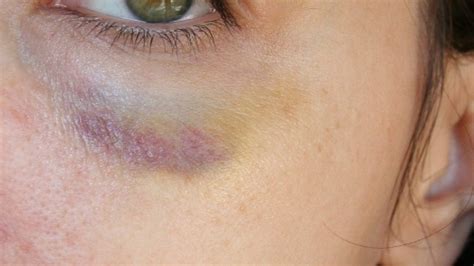
1. Mild Pain, Swelling, and Bruising
Even the smallest needle can cause minor pain, swelling, or bruising. Bruising occurs when a damaged blood vessel bleeds into the surrounding tissue. While certain steps can help minimize these effects, it's always best to discuss your individual circumstances with your doctor.
What to Do About It:
- Keep your head elevated above your heart.
- Apply ice at regular intervals for 2-3 days following treatment.
- Avoid alcohol consumption for at least 24 hours prior to and immediately following injections.
- If possible, avoid blood thinners.
- Refrain from vigorous activities for 2-3 days post-treatment.
- Consult your doctor about any supplements or medications you are taking for personalized recommendations.
2. Flu-like Symptoms
Some studies indicate that a small percentage of patients (around 9.2%) may experience mild to moderate flu-like symptoms within the first month after treatment. These symptoms can include signs of an upper respiratory tract infection, such as fever and fatigue.
What to Do About It:
- Rest and allow your body downtime.
- Drink plenty of fluids.
- Acetaminophen can be used for aches and fever.
- Take a steamy bath.
- Use a humidifier.
- Consider an expectorant if needed.
- It is recommended to consult your doctor before taking any medications post-procedure.
3. Headache
Headaches can occur after injections to the forehead. While the exact cause is not always clear, theories include accidental impact to the frontal bone, over-contraction of facial muscles, or potential impurities in the Botox batch.
What to Do About It:
Over-the-counter (OTC) pain relievers like acetaminophen can typically alleviate headaches within a few hours to days. Always discuss your symptoms with your doctor for personalized advice.
4. Constipation and Nausea
A small percentage of patients (1-10%) may experience mild to moderate upset stomach, nausea, or constipation. These symptoms usually resolve within a few days to two weeks.
What to Do About It:
- Increase your intake of fruits and vegetables.
- Drink ginger tea to soothe your stomach.
- Consume bland, low-fat foods.
- Take a fiber supplement or stool softener as directed.
- Take a warm bath.
- Engage in light exercise 3-5 times a week.
5. Dry Mouth
A dry mouth is a relatively common and usually temporary side effect that typically resolves within a few days. Signs include a sticky or dry mouth, thick or stringy saliva, a hoarse or dry throat, and difficulty swallowing.
What to Do About It:
- Take small sips of water frequently.
- Suck on sugar-free candy.
- Chew sugar-free gum.
- Use alcohol-free mouthwash.
- Avoid breathing through your mouth.
6. Dysphagia (Trouble Swallowing)
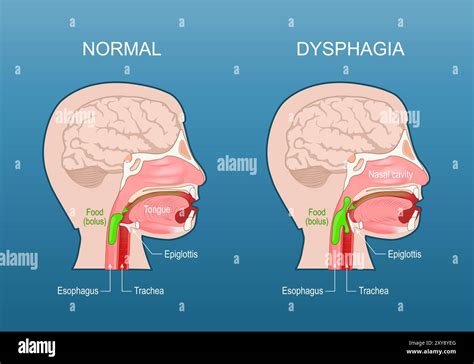
In some cases, Botox can lead to dysphagia, or difficulty swallowing. This can occur if the toxin spreads to adjacent muscles. Symptoms typically appear within 2-10 days of treatment and usually resolve on their own. It is crucial to inform your physician of any symptoms, as future dosages may need adjustment.
What to Do About It:
- Take small mouthfuls of food and chew thoroughly.
- Keep a glass of water nearby to aid swallowing.
- Consider eating softer foods temporarily.
- If swallowing fluids is difficult, try sitting up and using a straw.
- If food or drink frequently enters the windpipe, causing potential lung infection, contact your physician immediately.
7. Drooping Eyelids (Ptosis)
If Botox migrates to the forehead or the area between the eyes, it can affect the muscles that hold the upper eyelid up, leading to a droopy eyelid. This can occur even with expertly applied injections.
What to Do About It:
Droopy eyelids usually resolve within four to six weeks. Treatments include:
- Apraclonidine eye drops (effective for drooping eyelids but not eyebrows).
- Additional Botox injections to counteract the relaxed muscle (administered by a professional).
Choosing a qualified doctor significantly reduces the risk of side effects like drooping eyelids.
How Long Do Botox Side Effects Last?
The majority of Botox side effects are temporary and resolve on their own shortly after treatment. These effects can occur in anyone, regardless of age or health status. Botox remains overwhelmingly safe when administered by a qualified medical professional.
While side effects can occasionally be serious, they are extremely rare. Historically, the number of reported complications worldwide has been very low, and many of these were linked to pre-existing conditions. When an injection is performed correctly, there is little cause for concern. However, even the most skilled practitioners can make mistakes, so it's important to be aware of potential symptoms and follow proper treatment protocols.
Worsening symptoms beyond typical swelling and bruising should be attended to promptly to prevent infection. If pain intensifies or bruising and swelling seem excessive, consult your doctor for guidance. Similarly, if flu-like symptoms, such as upper respiratory distress, aches, fever, nausea, or vomiting, develop two to four weeks after treatment, ensure you get adequate rest, hydration, and manage symptoms with acetaminophen.
Headaches and Gastrointestinal Issues
Headaches can be a common occurrence after Botox. If they persist or are severe, it's important to consult your doctor. Constipation and nausea, while less prevalent, can also occur. Managing these symptoms may involve increasing fiber intake, drinking more water, and using over-the-counter remedies like ginger tea for stomach upset.
Factors Influencing Side Effects and Risk Minimization
Individual responses to Botox injections can vary due to factors such as genetic makeup, skin sensitivity, toxin receptor density, collagen formation, and metabolism. Body chemistry also plays a role in how side effects manifest.
Choosing a qualified healthcare professional is paramount for safety and achieving satisfactory results. Researching providers to ensure they have the appropriate credentials for administering injections like Botox is essential.
Following post-treatment instructions is critical. For approximately 4 hours after injections, avoid rubbing or massaging the treated area. For 24 hours, refrain from strenuous exercise, alcohol consumption, and nicotine use. Closely observing for any undesirable effects allows for immediate steps to be taken, ensuring safety and optimal outcomes.
Explainer video for Botox Service Provider
Who Should Avoid Botox?
Healthcare providers generally recommend postponing Botox treatments until after childbirth, as pregnancy and breastfeeding may pose risks to the baby, potentially causing muscle weakness, blurred vision, or hoarseness. It is crucial to have a thorough discussion with your healthcare provider about your medical history and any medications you are currently taking before undergoing Botox treatment.
Individuals with certain medical conditions should also exercise caution or avoid Botox. This includes those with a history of neuromuscular disorders, active infections, or known allergies to any of the ingredients in the Botox formulation. Anyone experiencing symptoms like difficulty swallowing, speaking, or breathing after a Botox injection should seek immediate medical attention.
Alternatives to Botox
For individuals who cannot or choose not to undergo Botox injections, several alternative treatments are available for reducing wrinkles and rejuvenating the skin:
- Dermal Fillers: These involve injecting a gel-like substance into the skin to improve wrinkles and reduce lines.
- Dysport: Similar to Botox, Dysport is a cosmetic treatment that can reduce wrinkles, often showing faster results. However, Botox generally lasts longer.
- Microneedling: This minimally invasive technique stimulates collagen production, improving skin tone and diminishing wrinkles.
- Laser Skin Resurfacing: This treatment can improve minor facial imperfections and achieve a more youthful appearance.
- Topical Treatments: Products containing peptides, antioxidants, and hyaluronic acid can help plump the skin and reduce wrinkles.
- Facial Exercises: These exercises target specific facial muscles to tone and strengthen them over time.
The Importance of Choosing a Qualified Practitioner
The medical aesthetic industry sometimes sees practitioners undercutting prices to remain competitive, potentially offering Botox injections at very low costs. These individuals may lack the necessary training or experience to deliver safe and effective results. Botox can cause adverse reactions and side effects, and a qualified practitioner is the best way to minimize these risks.
Ensuring that Botox is administered by a licensed, trained medical professional is crucial. Providers who are highly skilled and experienced in administering Botox for both cosmetic and medical purposes can help ensure your safety and satisfaction. Following pre- and post-treatment instructions carefully, and being transparent about your medical history with your provider, are also key steps to a successful Botox experience.