Sunscreens are an essential part of protecting our skin from the harmful effects of ultraviolet (UV) radiation. However, the complex lists of ingredients can be daunting. This guide aims to demystify some of the common sunscreen ingredients, explaining their functions, benefits, and potential drawbacks.
Chemical Sunscreen Filters
Chemical sunscreens work by absorbing UV radiation and converting it into heat, which is then released from the skin. While effective, many chemical filters have limitations, such as photostability issues.
Avobenzone
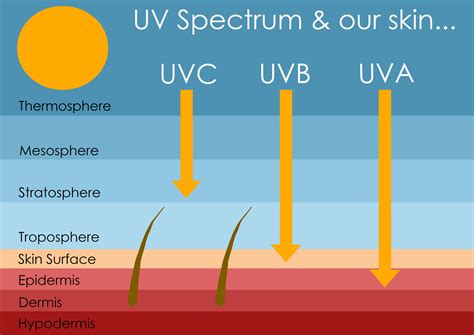
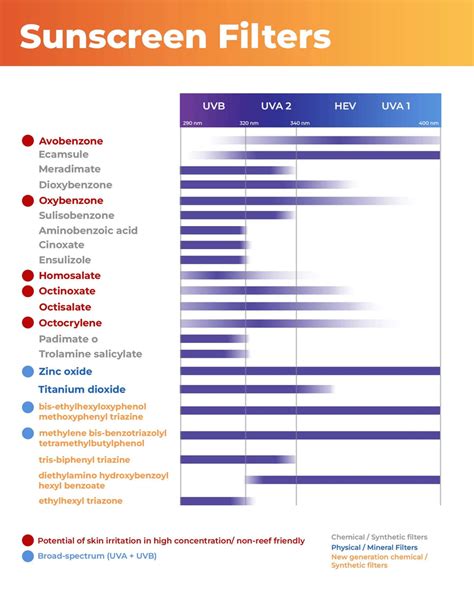
Avobenzone is a key chemical sunscreen ingredient celebrated for its ability to provide broad-spectrum protection against both UVA and UVB rays. It is the only globally available chemical sunscreen agent that offers effective UVA protection, covering the entire UVA range (310-400 nm), with a peak protection at 360 nm. However, avobenzone is known for its instability when exposed to UV light; it is not photostable and degrades in sunlight. Studies indicate that avobenzone can lose a significant portion of its UV-absorption capacity within an hour of sun exposure. To combat this, formulations often include stabilizers like octocrylene, or employ advanced techniques such as coating the avobenzone molecules, as seen in some modern European formulations.
Despite its photostability issues, avobenzone generally has a good safety profile, being non-irritating and showing no estrogenic effects, unlike some other chemical sunscreens.
Homosalate
Homosalate is a chemical sunscreen filter that primarily offers protection in the UV-B range (280nm - 320 nm), with its peak protection at 306 nm. It is approved for use in sunscreens internationally. Similar to avobenzone, homosalate is not photostable, meaning its efficacy diminishes with prolonged sun exposure. This is why it is frequently combined with other chemical filters, such as avobenzone, to provide comprehensive UVA protection. Homosalate also serves as a solvent, aiding in the dissolution of other, less soluble UV filters. Its instability is one of the reasons why frequent reapplication of sunscreen is often necessary.
Current regulations permit homosalate in concentrations up to 10% in the EU and 15% in the US. While in-vitro studies have suggested potential estrogenic activity, these findings were not conducted under real-world human conditions. Nevertheless, individuals concerned about long-term, full-body use might exercise caution with homosalate-containing products.
Ethylhexyl Salicylate (Octisalate)
Ethylhexyl Salicylate, also known as Octisalate, is an organic compound that functions by blocking UV rays. It primarily absorbs UVB rays but also provides a modest level of UVA protection. This ingredient is synthesized from salicylic acid, known for its acne-fighting properties, and 2-ethylhexanol, a fatty alcohol that acts as an emollient, helping to hydrate and retain moisture in the skin. Ethylhexyl Salicylate absorbs UV wavelengths between 295-315 nm, with a peak absorption at 307-310 nm. It is commonly found in sunscreens and is valued for its emollient properties.
Octocrylene
Octocrylene is a chemical sunscreen ingredient designed to protect the skin from sun damage by absorbing UV-B rays, with a peak absorption at 304 nm. It is frequently paired with avobenzone, a UVA filter, because octocrylene helps to stabilize avobenzone and other sunscreen ingredients, preventing their degradation in sunlight. Octocrylene is considered a photostable ingredient, losing only about 10% of its SPF protection over 95 minutes. Beyond its UV-filtering capabilities, octocrylene also acts as an emollient, softening the skin and helping it retain moisture. Its oil-soluble and hydrophobic nature contributes to the water-resistant properties of sunscreen formulations.
It is important to note that individuals using ketoprofen, a topical anti-inflammatory medication, may experience allergic reactions to octocrylene. Consulting a healthcare professional is recommended in such cases.
Other Sunscreen Ingredients and Their Roles
Beyond UV filters, sunscreens often contain other ingredients that enhance their performance, texture, and skin benefits.
Tocopheryl Acetate (Vitamin E)
Tocopheryl Acetate, commonly known as Vitamin E, is a potent antioxidant. It works by protecting the skin from damage caused by free radicals, which can break down collagen and contribute to skin aging. One study suggested that the combination of Tocopheryl Acetate with Vitamin C may reduce the number of sunburned cells.
Shea Butter
Shea butter is renowned for its moisturizing and emollient properties. It is rich in antioxidants, vitamins A, E, and F, and compounds like quercetin and epigallocatechin gallate. Shea butter helps to regenerate and soothe the skin, offering protection against environmental factors such as UV rays and wind.
Coconut Oil
Coconut oil is a popular ingredient in skincare, known for its unique fatty acid profile, particularly its high content of Lauric Acid. Its saturated fatty acids give it a solid consistency at room temperature, but it melts upon contact with the skin. Coconut oil is an effective moisturizer, particularly beneficial for dry skin types, and has shown efficacy in treating xerosis (very dry skin) and mild to moderate atopic dermatitis (eczema). While its lauric acid content shows promise against acne-causing bacteria, coconut oil has a high comedogenic rating, meaning it may clog pores for some individuals, leading to mixed experiences with acne-prone skin.
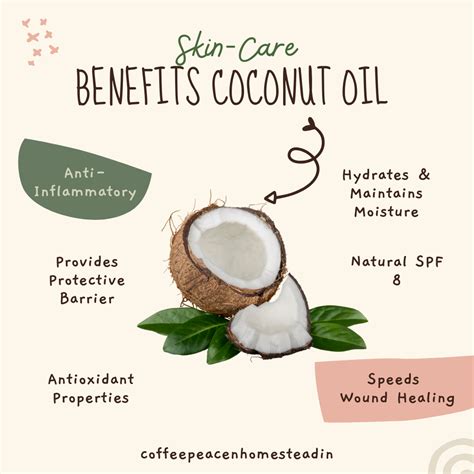
For hair care, coconut oil is well-researched for its ability to penetrate the hair shaft, preventing protein loss and reducing combing damage, making it beneficial for damaged hair and split ends. It may also aid in wound healing and possess antifungal and insect-repellent properties.
Squalane
Squalane is a stable, saturated hydrocarbon that is an excellent emollient. It is naturally found in human sebum, fish oils, and plant oils like olives. Squalane provides superior moisturization, surface occlusion, and transepidermal water loss (TEWL) prevention, resulting in smooth, hydrated skin without a greasy feel. Its compatibility with all skin types and conditions makes it a versatile ingredient.
Silica
Silica, the primary component of glass and sand, is often included in cosmetics for its oil-absorbing capabilities, making it useful in products designed to mattify the skin. It effectively absorbs oil and sebum, contributing to a matte finish.
Dimethicone
Dimethicone is a clear, colorless, and odorless liquid that is highly volatile, meaning it evaporates from the skin rather than absorbing into it. It functions as an emollient, providing a light, non-oily skin feel and improving the texture and spreadability of cosmetic formulas without leaving a tacky residue. Its volatility also makes it popular in makeup products for longevity and serves as an excellent solvent in both makeup and makeup removers.
Fragrance Ingredients
Parfum (Fragrance)
Parfum, or "fragrance," is a broad term encompassing a blend of various chemicals and plant oils used to impart scent to products. The exact composition can vary significantly, as each product labeled with "fragrance" or "parfum" represents a unique mixture. Regulations in many countries do not strictly define "parfum" or "fragrance," leaving brands to interpret the term. For instance, "fragrance-free" claims may still include naturally occurring fragrances from essential oils, such as Calendula flower extract.
Depending on the specific blend, fragrance ingredients can potentially cause allergies and sensitivities. Some known EU allergens include linalool and citronellol. Fragrance can also be used to mask undesirable odors in a product. Given the variability and potential for sensitivities, it is advisable to examine ingredient lists closely if concerned about fragrances and consult with a professional.
Other Ingredients
SD Alcohol 40-B
SD Alcohol 40-B is specially denatured ethanol, created by adding tert-Butyl alcohol and denatonium benzoate. It serves as a solvent and astringent in cosmetic formulations.
tags: #bask #sunscreen #ingredients