Strength training is a cornerstone of physical fitness, involving the repeated lifting, pulling, or pushing against weights to build and tone muscle. Beyond the physical benefits, strength training has also been shown to promote emotional and social well-being, particularly in older adults. However, as you progress and aim for new personal bests, you might find your grip strength becoming a limiting factor, or worse, experience discomfort from calluses or skin tears. Fortunately, several accessories are designed to enhance your lifting experience: weightlifting gloves, lifting straps, and wrist wraps.
These tools aim to improve grip, reduce tension in the fingers, assist in lifting heavier weights, and provide a more comfortable workout. But with various options available, it can be challenging to determine which accessory is right for you and whether using them is beneficial in the long run. This guide delves into the world of weightlifting gloves, lifting straps, and wrist wraps, exploring their types, pros, cons, differences, and best uses to help you make an informed decision.
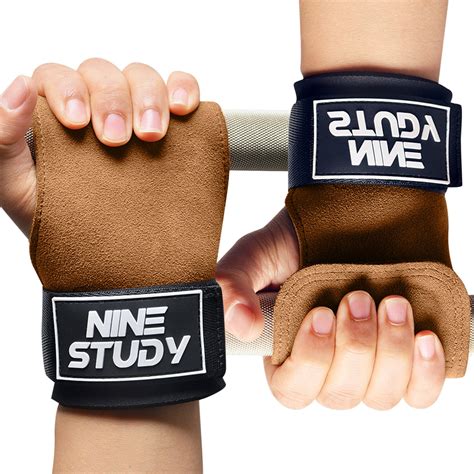
Weightlifting Gloves (Lifting Gloves)
Weightlifting gloves, also known as gym gloves or workout gloves, are a popular choice for many individuals engaged in strength training. They are designed to support and protect the hands while lifting various weights, including barbells, dumbbells, and kettlebells, making them suitable for lifters of all levels. Weightlifting gloves come in several styles to cater to different needs and preferences.
Types of Weightlifting Gloves
- Full coverage gloves: These gloves provide complete protection for the entire hand, ensuring maximum coverage when gripping barbells or weights.
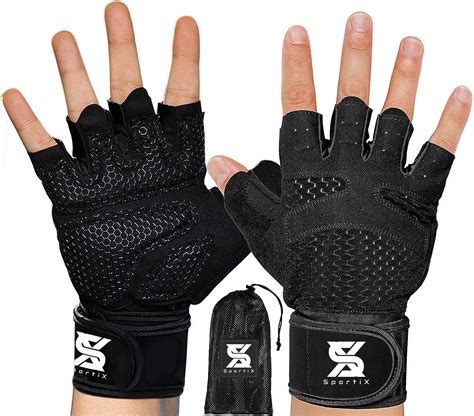
- Fingerless lifting gloves: Offering more flexibility, these gloves cover only half of the fingers, allowing for greater dexterity during lifts.
- Fingerless lifting gloves with wrist wraps: Combining palm and partial finger coverage with integrated wrist support, these gloves offer enhanced wrist stability.
Pros and Cons of Lifting Gloves
Weightlifting gloves offer several benefits, but also come with potential drawbacks.
Benefits:
- Improved Grip: Padding on the palm enhances grip security, enabling lifters to lift heavier weights for longer durations.
- Protection: They help prevent the formation of calluses and reduce hand pain.
- Stabilization and Support: When integrated with wrist straps, gloves can help stabilize and support the wrists by maintaining a neutral position.
Drawbacks:
- Dependency: Over-reliance on gloves can decrease hand adaptability and natural grip strength development.
- Negatively Impact Form: The added padding can alter the natural feel and grip on the bar, potentially affecting technique compared to lifting bare-handed or with other accessories.
Best Exercises for Weightlifting Gloves
Weightlifting gloves are versatile and can be used for a variety of exercises, particularly those involving heavy lifting:
- Heavy weightlifting with dumbbells, kettlebells, barbells, or a bar.
- Pull-ups and other exercises performed on a rig or pull-up bar.
Weightlifting Gloves FAQs
Should You Wear Gloves When Deadlifting?
This is largely a matter of personal preference. Deadlifts demand significant grip strength, especially with increasing weight. Some lifters prefer gloves for their improved grip and hand protection against calluses. However, wrist straps are often considered a preferred accessory for deadlifts, offering superior bar security and reducing grip fatigue. Before resorting to gloves or straps, consider optimizing your grip by using a mixed grip (one hand underhand, one overhand) or a hook grip, potentially with the addition of chalk.
Are Lifting Gloves Better Than Straps?
Neither lifting gloves nor straps are definitively "better"; they serve different purposes and have distinct advantages and disadvantages. Gloves are generally easier for beginners to use and are highly versatile across many exercises. However, some find the material cumbersome during heavy compound lifts. Lifting straps excel in heavy pulling exercises where grip is the limiting factor but are not suitable for all movements and require a learning curve.
Wrist Straps (Lifting Straps)
Wrist straps, often referred to as lifting straps, are a widely accepted and less controversial accessory used across various fitness levels. They are designed to enhance grip security, support the wrist joint, and are particularly beneficial for hypertrophy, weightlifting, and powerlifting training.
Types of Lifting Straps
- Single Loop Lifting Straps: Ideal for quick-release lifts like the clean and jerk and snatch, these straps offer the least bar security and are best suited for advanced lifters.
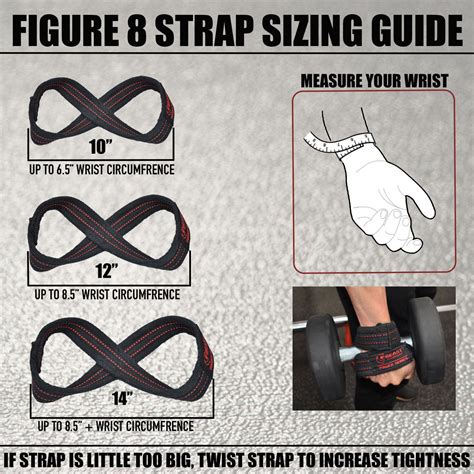
- Figure 8 Loop Lifting Straps: With a comfortable and easy-to-use design, these are excellent for deadlifts. The Figure 8 design provides support and reduces grip fatigue during heavy pulls.
- Lasso Lifting Straps: These straps offer wrist support by looping around the wrist before wrapping around the bar. They are user-friendly and suitable for heavy pulls, pull-ups, and rows for all abilities.
Pros and Cons of Lifting Straps
Benefits:
- Increase Volume: By redistributing weight away from the palm, straps allow you to lift more weight than usual.
- Increase Grip: They help overcome grip limitations in heavy pulling movements, enabling you to lift more.
- Protection: Similar to gloves, straps can help prevent calluses and reduce hand pain.
- Develop Strength: Using straps for lifting can contribute to improved wrist and forearm strength.
Drawbacks:
- Dependency & Weaken Grip Strength: Frequent use can lead to over-reliance and a decrease in natural grip strength over time.
How to Use Lifting Straps
While specific techniques vary by strap type, here's a general guide for using Figure 8 loop wrist straps:
- Hold the strap, placing one hand through a loop, allowing the other loop to hang below your wrist.
- Position yourself at the barbell, placing your hand over the bar in an overhand grip, with the free loop hanging behind and under the bar.
- Bring your hand over the front of the bar, looping it through the hanging strap. Both loops should now rest on top of your wrist.
- Repeat on the other side.
- Grip the bar firmly, holding the inside of the loops to secure it.
- Perform your lift.
Best Exercises for Lifting Straps
Lifting straps are best suited for heavy pulling movements, never pushing movements. They should be used judiciously for heavy, low-rep lifts to avoid over-reliance.
- Deadlifts
- Lat Pull Downs
- Rows
- Chin-ups
Lifting Straps FAQs
Can You Use Lifting Straps for Pull-Ups?
Yes, lifting straps can aid in pull-ups by securing you to the bar, reducing the reliance on grip strength. This allows for greater focus on mind-muscle connection, increased time under tension, and improved range of motion, beneficial for aesthetic and back development. However, if performance and grip strength development are primary goals, using straps for pull-ups might not be recommended. For pull-ups, single-loop straps are often preferred for easier release and reduced risk of getting stuck compared to Figure 8 straps.
Do Wrist Straps Help Weak Wrists?
Wrist straps primarily assist with grip on pulling movements. By reducing the required grip strength, they indirectly support the wrist. However, if the primary issue is weak wrists rather than grip strength, wrist wraps might be a more suitable option, as they are specifically designed to support and stabilize the wrist joint.
Wrist Wraps for Lifting
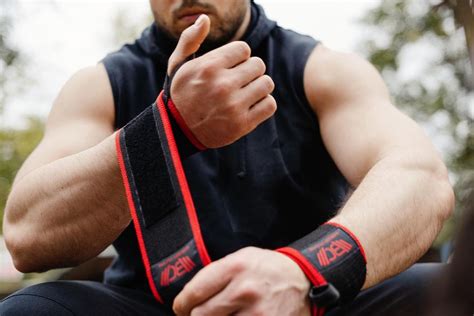
Wrist wraps are pieces of fabric, typically secured by Velcro, that wrap around the wrists to provide support and stability during lifting. They help maintain a neutral wrist position, ensuring proper alignment and preventing hyperextension, especially under heavy loads.
Wrist Wraps vs Wrist Straps: Whatâs the Difference?
The key difference lies in their primary function: wrist straps are designed to enhance grip strength and reduce tension on the hands and palms during pulling exercises. Wrist wraps, conversely, focus on supporting and stabilizing the wrist joint, offering protection during pressing movements and heavy loads where wrist stability is crucial.
Types of Wrist Wraps
- Velcro Wrist Wraps: The most common type, offering adjustable support and comfort suitable for various lifts. They often include an elasticated thumbhole for added stability.
- String Fastening Wrist Wraps: These are longer and more easily adjusted by wrapping and securing with a string. They offer greater flexibility and are suitable for dynamic movements.
Pros and Cons of Wrist Wraps
Benefits:
- Wrist Stability: They keep the wrist in a neutral position, promoting proper form and preventing overextension.
- Pain Prevention: For individuals with weak or injured wrists, wraps can alleviate pressure and provide crucial support.
- Recovery: Wraps can aid in recovery by offering support during rehabilitation exercises, reducing stress on the joint and surrounding muscles.
Drawbacks:
- Dependency & Weakened Grip Strength: Similar to gloves and straps, over-reliance can hinder the development of natural wrist strength.
Best Exercises for Wrist Wraps
Wrist wraps are most beneficial for heavy-pressing exercises that place significant stress on the wrists:
- Bench press
- Shoulder press
- Clean and jerk
- Overhead press
Wrist Wraps FAQs
Do Wrist Wraps Weaken Your Wrists?
Wrist wraps provide support and stability, working with your existing wrist strength. They do not inherently weaken wrists, but relying on them constantly for all lifts may prevent you from developing natural wrist strength. For strengthening purposes, it's advisable to perform wrist exercises without wraps or use them only during heavy lifts.
Can Beginners Use Wrist Wraps?
Yes, beginners can use wrist wraps, especially if experiencing wrist pain, weakness, or recovering from injury. However, it's recommended to reserve their use for heavy movements or high-volume training sessions. For lighter exercises, focus on building wrist strength without wraps to avoid over-reliance.
Weightlifting Gloves: A Detailed Look at Types and Considerations
Weightlifting gloves are an accessory many individuals choose to use during their training sessions. Their primary aim is to improve grip, prevent weights from slipping, and potentially reduce the risk of injury. Several types of weightlifting gloves are available, each offering different levels of support and functionality.
Types of Weightlifting Gloves
- Half-fingered gloves with wrist pads: These are a common type, often providing good wrist stability and callus reduction. However, breathability might vary depending on the material.
- Fingerless gloves with an extended pad and wrist support: Offering similar support to half-fingered gloves, these may provide more flexibility and are open at the back of the hand.
- Grip pads: Covering only the palm, these are designed to prevent sweating and slipping, with some models including wrist support.
- Palmless gloves: These gloves cover the fingers but may not extend to the fingertips, offering a minimalist approach to hand protection.
Factors to Consider When Choosing Weightlifting Gloves
- Size: Ensuring the correct size is crucial; gloves that are too large can increase slipping, while too-small gloves can be uncomfortable.
- Material: Common materials include leather, synthetic leather, microfiber, or silicone. Choose based on personal preference, durability needs, and ethical considerations.
- Construction: Select a glove type that offers the appropriate level of support, especially if significant wrist support is required.
- Padding type and thickness: Padding, often made of foam or silicone, helps reduce the impact of friction, thereby minimizing calluses and blisters.
Recommended Weightlifting Gloves
Below are some highly-rated weightlifting gloves, based on product research:
Best for Easy Removal: Trideer Weightlifting Gloves
- Materials: Microfiber with gel-filled palm padding.
- Sizes: SâXL.
- Pros: Suitable for various exercises, breathable microfiber, gel padding for protection, pull buckles for easy removal.
- Cons: Hook and loop strap may not be perfectly secure; stitching and straps can wear over time; sizing may be inaccurate.
- Price: From around $20â22.
Best Breathable Glove: Harbinger Pro
- Materials: Polyester, cotton, leather, nylon, and spandex.
- Sizes: MâXXL.
- Pros: Durable, breathable, adjustable fit.
- Cons: Contains leather (unsuitable for vegans); sizing may run small.
- Price: Around $22.
Best Lightweight and Flexible Glove: Lifect Freedom Workout Gloves
- Materials: Mesh and silica gel.
- Sizes: XSâXL.
- Pros: Flexible, lightweight, suitable for fitness trackers, breathable mesh, anti-slip padding.
- Cons: Wrist strap may not offer substantial support; sizing runs small.
- Price: Around $22.
Best Luxury Gym Glove: Grip Power Pads Gym Gloves
- Materials: Leather and rubber.
- Sizes: XSâXXXL.
- Pros: Durable, suitable for free weights, pressure pads to maximize grip.
- Cons: Can be bulky; finger sizes may run small; stitching can come apart.
- Price: Around $56.
Best All-Purpose Gloves: Grip Power Pads Cobra Grips Pro Weightlifting Gloves
- Materials: Black rubber.
- Sizes: One-size-fits-all (adjustable wrist straps).
- Pros: Suitable for lifting and pulling exercises, protects palms and fingers, breathable (open back design).
- Cons: Material can be rough and cause friction/bruises; stitching may tear.
- Price: From around $40â96.
Best for Smaller Hands: RIMSports Premium Weightlifting Gloves
- Materials: Leather and spandex.
- Sizes: XSâXL.
- Pros: Thicker wrist strap for extra support, comfortable fit for smaller hands, reduces calluses and blisters.
- Cons: Can be stiff initially, requiring a break-in period; dye may transfer onto hands.
- Price: Around $16.
Best for Bar and Bell Lifting: Fit Active Sports New Ventilated Weightlifting Gloves
- Materials: Neoprene.
- Sizes: XSâXL.
- Pros: Full-palm protection, increased breathability, silicone grip for reduced slipping, comfortable fit.
- Cons: Velcro strap may irritate skin; not as durable as some other products; lining and stitching can come undone.
- Price: Around $20.
Best Padded Gloves: Skott Evo 2
- Materials: Leather.
- Sizes: SâXXL.
- Pros: Padded, durable, anti-slip material, wrist wrap support, easy to remove.
- Cons: May not be suitable for very heavy lifting; can be stiff.
- Price: From around $16â26.
Best Shock-Absorbing Gloves: Simari Workout Gloves
- Materials: Microfiber.
- Sizes: XSâXL.
- Pros: Hoop and loop closure, adjustable straps, shock-absorbing, anti-slip silica gel.
- Cons: Some buyers found sizing inconsistent; may lack sufficient padding.
- Price: From around $10â16.

Alternatives to Weightlifting Gloves
For those seeking grip enhancement, other options exist:
- Chalk: Chalk balls or liquid chalk can enhance friction and reduce hand sweat, improving grip. However, some gyms prohibit its use, so check gym guidelines first.
- Lifting Bare-handed: While this approach builds natural grip strength, it increases the risk of calluses and blisters if hands are not adequately protected from friction.
Frequently Asked Questions About Weightlifting Gloves
Is it Good to Wear Gloves While Lifting Weights?
Wearing gloves while weightlifting can be beneficial. They provide a secure grip, helping to prevent hands from slipping during lifts and potentially reducing the risk of injury.
Is it Better to Lift with Gloves or Without?
Recent studies suggest that weightlifters may benefit from wearing gloves due to their anti-slip designs, which can improve grip. However, the decision ultimately depends on individual preference, training goals, and the specific exercises being performed.
What is a Good Brand of Weightlifting Gloves?
Several reputable brands offer quality weightlifting gloves, including Trideer, Fit Active, and Grip Power Pads. When choosing, prioritize gloves that fit securely, are comfortable, effectively improve grip, support the wrists, and protect hands from friction.
Can I Use Weightlifting Gloves for a Punching Bag?
No, weightlifting gloves are not designed for use with a punching bag. For activities like hitting a punching bag, specialized gloves that offer adequate protection for fingers, wrists, and hands are necessary.