Microblading is a popular cosmetic tattoo technique that uses a handheld tool with tiny micro-needles to create fine, hair-like strokes on the eyebrows, aiming to enhance features and create a natural look.
However, not every microblading result ages perfectly. Over time, pigment can shift, fade unevenly, or no longer align with your desired brow style. This can lead to dissatisfaction for several reasons:
- Dissatisfaction with Results: The initial outcome may not match expectations regarding shape, color, or the technique used.
- Fading and Discoloration: As pigments break down, microbladed brows can develop unwanted tones such as gray, red, or bluish hues.
- Change in Style or Preference: Evolving brow trends and personal aesthetic preferences may make previous microblading appear outdated or undesirable.
- Allergic Reactions or Skin Sensitivity: Though rare, individuals might experience allergic reactions to pigment ingredients.
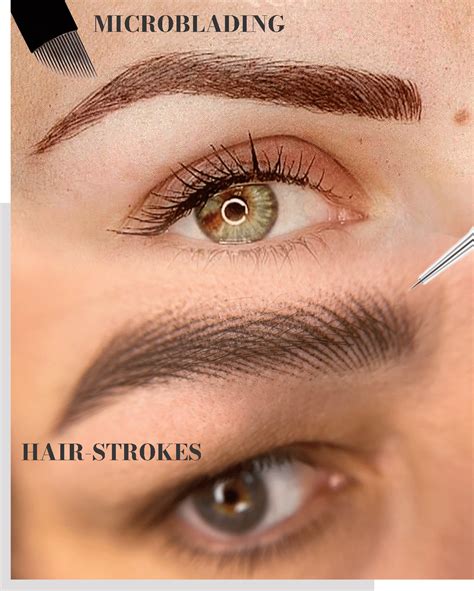
Understanding Microblading Removal
Removing microblading tattoos works similarly to removing traditional tattoos, as the pigment is placed into the dermis, the second layer of skin. People pursue microblading removal for various reasons, and it offers the freedom to refresh or completely reset one's brows.
It's important to note that you cannot remove new eyebrow tattoos immediately after the procedure. Removal or correction can only be done after the skin has fully healed, typically between 4 to 6 weeks post-procedure. Always consult with your eyebrow tattoo artist for support and advice, and speak with a medical doctor if you experience any unusual skin reactions.
Professional Removal Methods
There are two primary types of professional removal methods:
1. Laser Removal
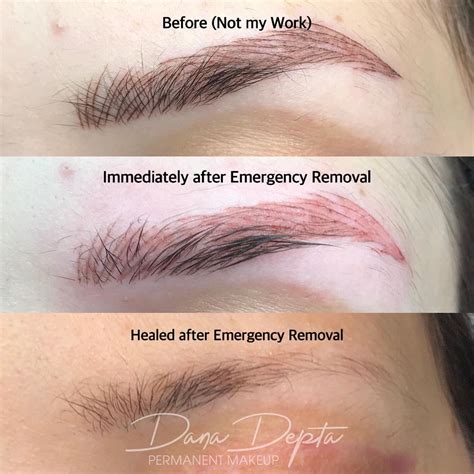
Laser removal is widely considered one of the most common and effective ways to fade or fully remove unwanted eyebrow pigment. The laser emits precise bursts of light that target and break down pigment particles beneath the skin. Most clients require 2-6 sessions for ideal results, though this can vary depending on pigment density, color, and skin type. Each visit progressively lightens the pigment.
Quick Answer: Laser tattoo removal is generally the fastest and safest method to remove microblading, typically requiring 5 to 10 sessions over 8 to 20 months. Complete removal usually takes between 8 and 20 months, with most people requiring 5 to 10 sessions spaced about 6 to 8 weeks apart.
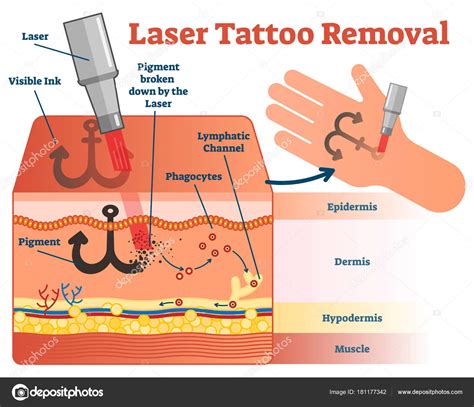
2. Non-Laser Removal (Saline and Chemical Techniques)
Saline removal involves implanting a salt-based solution into the skin using a microblading tool. This method aims to lift and neutralize pigment from the skin. Another technique, like PhiRemoval®, uses a proprietary formula and precise needling to achieve similar results.
Healing for these methods may involve mild redness or scabbing, depending on the specific technique used. Each session gradually lightens the pigment.
Fading Microblading vs. Full Removal
Fading microblading is slightly different from full removal. While cosmetic pigments often fade naturally over time, usually within 6 to 24 months, professional methods are more reliable for controlled fading. Ignoring aftercare instructions can lead to patchy or uneven fading of microbladed eyebrows.
At-Home and DIY Removal Methods
Online tutorials and anecdotal advice often suggest various at-home methods for microblading removal, including salt scrubs, lemon juice, or saline solutions. Some also recommend rosehip seed oil. While exfoliation removes dead skin cells and encourages circulation, excessive exfoliation can damage the skin barrier and increase the risk of scarring. Rosehip seed oil, though beneficial for skin healing and reducing scar tissue, does not actively remove pigment from the skin.
Tattoo removal creams are generally not recommended for cosmetic tattoos due to potential risks and limited effectiveness. It is essential to note that DIY methods may not always work and might require multiple sessions to achieve any noticeable fading. If you feel uneasy attempting removal yourself, consulting a professional technician for safe and more effective options tailored to your skin type is advisable.
Specific DIY Approaches Mentioned Online:
- Glycolic Acid Peels: Products containing glycolic acid work by gently exfoliating skin layers, gradually lightening pigment. A patch test on an inconspicuous area is always recommended before applying to the eyebrows.
- Natural Ingredients: Lemon juice or sea salt can be applied using cotton swabs in a circular motion.
- Rosehip Seed Oil: Applied to eyebrows to promote gentle pigment lifting and aid skin healing.
- Sea Salt Mixture: A mixture of crushed organic sea salt and lukewarm water used to gently clean eyebrows.
- Retinol-based Products: Retinol is known for its effectiveness in fading pigmentation and improving skin cell proliferation, allowing for the development of new skin layers.
- Hydrogen Peroxide Paste: A paste made with hydrogen peroxide and baking soda or salt is suggested for pigment reversal.
Important Considerations for At-Home Methods:
- Always perform a patch test on an inconspicuous area before applying any product to your eyebrows.
- Be gentle with your skin; if it becomes too sensitive, refrain from repeating the procedure.
- These methods may not always be effective and might require multiple sessions.
- Consult a doctor or professional before making significant modifications or treatments to your skin.
Microblading Removal Cream Reviews and Effectiveness
Microblading removal creams are topical solutions designed to fade or eliminate pigment from the skin without the need for needles, lasers, or harsh treatments. They are often presented as an affordable and easy-to-use alternative to professional removal methods.
Potential Advantages of Removal Creams:
- Non-invasive: No needles, lasers, or harsh treatments are involved.
- Affordable: Generally cheaper compared to laser removal.
- Easy to Use: Can be applied at home without professional assistance.
Potential Disadvantages and Risks:
- Slow Process: Results can take weeks or months to become noticeable.
- Potential Skin Irritation: Some creams may cause redness, peeling, or sensitivity.
- Uneven Fading: May not remove pigment evenly, potentially leading to patchiness.
- Limited Effectiveness: May not completely remove pigment, especially deeper or older tattoos.
The effectiveness of microblading removal creams varies significantly. Factors influencing their success include the type and quality of the cream, the type of pigments used in the original microblading, and the individual's skin type and response. While some creams might help lighten or fade pigments, they are not always a guaranteed solution for complete removal.
It is crucial to remember that using microblading removal creams can lead to skin irritation and other side effects. They should ideally be used under the guidance of a licensed professional. Consulting with a professional who specializes in microblading removal is always the best approach to determine if removal creams are a suitable option for your specific situation.
MICROBLADING EYEBROWS STEP BY STEP - Full Process
The price of microblading removal creams can vary based on brand and reported effectiveness. If you are looking for a cost-effective, non-invasive solution, a removal cream might be an option, but it requires patience and consistent use.
For those seeking professional services, companies like Removery offer free consultations to discuss removal options. With numerous locations across the United States, Australia, and Canada, their specialists can help you understand the best approach for your tattoo removal needs.
tags: #microblading #removal #cream