Almond milk has emerged as a popular dairy-free alternative, especially favored by individuals who are lactose intolerant, follow a vegan diet, or seek healthier beverage choices. Renowned for its smooth, creamy texture and subtle, nutty flavor, almond milk also boasts significant nutritional value, including high concentrations of vitamins E and D, beneficial healthy fats, and potent antioxidants.
Acne is a prevalent skin condition that arises when hair follicles become obstructed by a combination of oil, dead skin cells, and sometimes bacteria. This blockage can lead to irritation, redness, pimples, and cysts. While hormonal fluctuations are frequently implicated in acne development, factors such as diet, stress, genetics, and skincare practices can also influence its manifestation.
As a plant-based product, almond milk possesses several properties that may benefit acne-prone skin. It is particularly rich in vitamin E, a powerful antioxidant recognized for its anti-inflammatory effects. Vitamin E helps shield the skin from oxidative stress, a contributing factor to premature aging and acne. Furthermore, it works to reduce inflammation and redness, common symptoms of acne.
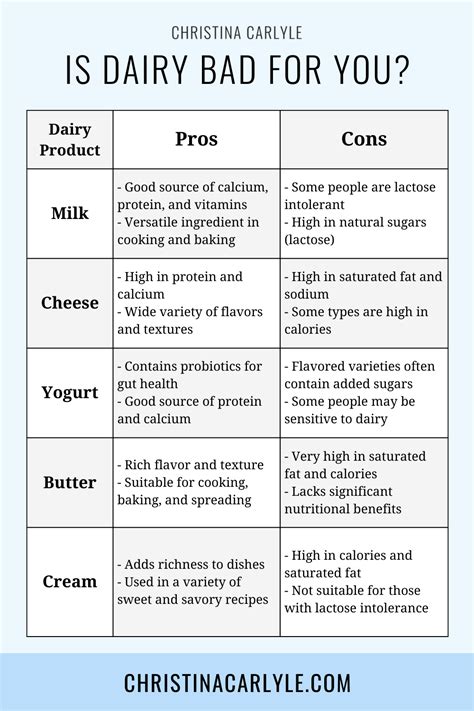
A significant advantage of almond milk for individuals struggling with acne is its absence of dairy. Dairy consumption has been historically linked to acne development, particularly in those sensitive to the hormones present in cow's milk. Consuming dairy products, especially high-fat varieties, can stimulate increased sebum production (skin oil), leading to clogged pores and breakouts.
Unlike many sugary beverages or processed foods, almond milk typically has a low glycemic index (GI). This means it does not cause significant fluctuations in blood sugar levels. Diets high in glycemic load are believed to exacerbate acne by triggering hormonal imbalances that, in turn, increase sebum production and pore congestion.
Nutritional Profile and Benefits of Almond Milk
Almond milk has gained considerable traction as a plant-based substitute for cow's milk, especially among those with dietary restrictions or a preference for vegan options. Its appeal lies not only in its taste and texture but also in its nutritional composition.
Calories and Macronutrients
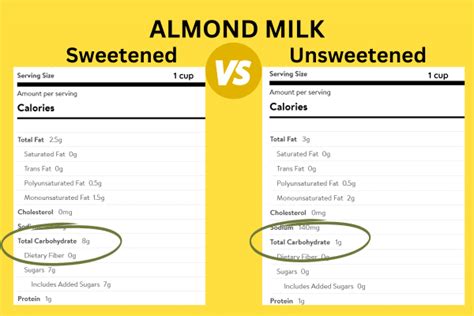
The calorie content in almond milk can differ based on whether it is sweetened or unsweetened. On average, a 1-cup (240 ml) serving of unsweetened almond milk contains approximately 30-40 calories. Sweetened varieties, however, can contain up to 60-80 calories or more per serving due to the addition of sugars.
Vitamins and Minerals
Almond milk is often fortified with essential vitamins and minerals, especially when commercially produced. This fortification enhances its nutritional profile, making it a more robust alternative to dairy milk.
Low Glycemic Index and Sugar Content
Unsweetened almond milk is remarkably low in sugar, often containing zero grams per cup. This characteristic makes it an excellent choice for individuals monitoring their sugar intake, including those with diabetes or anyone aiming to reduce added sugars. Conversely, sweetened almond milk can contain between 7-13 grams of sugar per serving, depending on the brand and flavor. This added sugar contributes to the higher calorie counts in sweetened versions.
The low glycemic index of almond milk signifies that it does not provoke substantial spikes in blood sugar levels, which is beneficial for overall health and can indirectly support skin health by promoting hormonal balance.
Other Considerations
- Lactose-Free: Almond milk is naturally lactose-free, making it an ideal alternative for individuals with lactose intolerance or those choosing to avoid dairy for other health or ethical reasons.
- Gluten-Free: It is also naturally gluten-free, which is advantageous for people with celiac disease or gluten sensitivity.
Dietary Factors and Acne Sensitivity
Understanding how different foods interact with our bodies is crucial for managing skin health. Several sensitivities and dietary components have been linked to skin reactions, including acne.
Dairy Sensitivity and Acne
Dairy sensitivity is one of the most frequently identified food sensitivities associated with skin health issues. The hormones and other compounds present in dairy products can trigger inflammatory responses and affect sebum production in susceptible individuals.
Gluten Sensitivity and Skin Reactions
Gluten sensitivity, also known as celiac disease, is an autoimmune disorder where the body reacts adversely to gluten. This can manifest in various symptoms, including digestive problems and skin conditions like acne or eczema.
Sugar Sensitivity and Skin Aging
Excessive sugar consumption can negatively impact skin health, particularly for those who are sensitive to its effects. High-sugar diets can lead to inflammation and glycation, processes that contribute to premature aging and can exacerbate acne.
Nut Sensitivity and Skin Irritation
Nut allergies or sensitivities, especially to almonds, peanuts, or other tree nuts, can provoke both immediate and delayed skin reactions. These reactions might include rashes, hives, or acne flare-ups.
Food Additives and Preservatives
Many packaged and processed foods contain artificial additives, preservatives, and coloring agents. These ingredients can cause skin irritation or allergic reactions in some individuals, potentially contributing to or worsening acne.
Almond Milk vs. Dairy Milk for Acne
When seeking a milk alternative that promotes clearer skin, almond milk stands out as a favorable choice. It is free from dairy, hormones, and, in its unsweetened form, added sugars. Its inherent anti-inflammatory properties can help soothe and protect the skin. In contrast, dairy milk, particularly full-fat and sweetened varieties, has the potential to aggravate acne due to its hormonal and inflammatory components.
For the majority of individuals with acne, almond milk is likely the superior option. However, it is important to acknowledge that individual skin responses vary. While almond milk may offer benefits to some, others might not experience significant improvements. Diet is only one piece of the acne puzzle, but there is substantial evidence that certain foods can impact skin health by influencing inflammation, insulin levels, and oil production.
By paying close attention to dietary habits and making informed changes, one can potentially improve skin appearance and reduce acne flare-ups. Identifying and minimizing dietary triggers can significantly aid in managing breakouts and achieving clearer, healthier skin.
The Role of Hormones and Inflammation in Skin Health
Skin health is governed by a complex interplay of factors, with hormones and inflammation playing pivotal roles in skin's behavior. Understanding the relationship between these two elements is critical for effectively managing skin conditions such as acne, rosacea, and premature aging.
Hormones and Their Impact on Skin
Hormones act as chemical messengers that regulate numerous physiological processes within the body, including skin function. They can influence sebum production, collagen synthesis, wound healing, and overall skin appearance.
Inflammation and Its Effects on Skin
Inflammation is the body's natural response to injury or infection and plays a significant role in many skin diseases. It can be acute (short-term) or chronic (long-term).
The Connection Between Hormones and Inflammation
Hormones and inflammation are often interconnected. Imbalances in hormones, particularly androgens and cortisol, can lead to increased inflammation throughout the body, which can manifest in the skin.
Gut-Skin Axis
The connection between the gut and the skin is fundamental for maintaining healthy, clear skin. An imbalanced gut microbiota can contribute to poor skin health, hormonal imbalances, and inflammation. Nurturing gut health through diet, including probiotics and anti-inflammatory foods, can benefit both the gut and the skin.
Dietary Strategies for Acne-Prone Skin
Adopting a diet that supports skin health can be a powerful strategy in managing acne. Focusing on nutrient-dense, anti-inflammatory foods while limiting those that can trigger breakouts is key.
Prioritize Anti-Inflammatory Foods
Inflammation is a primary driver of acne, leading to clogged pores and swollen, red pimples. An anti-inflammatory diet can help achieve clearer skin by reducing systemic inflammation.
Reduce Refined Carbohydrates and Sugars
Consuming high-glycemic foods can cause hormonal changes, notably affecting insulin levels. This can increase sebum production and inflammation, potentially leading to clogged pores and acne breakouts.
Focus on Low-Glycemic, Whole Foods
Opting for foods with a lower glycemic index (GI) helps prevent blood sugar spikes and balances hormone levels, thereby reducing the risk of acne flare-ups. A low-GI diet also contributes to overall skin health.
Ensure Adequate Zinc Intake
Zinc is an essential mineral that plays a crucial role in reducing acne severity. It may help combat acne-causing bacteria and reduce the production of inflammation-promoting chemicals.
Incorporate Probiotics for Gut Health
A healthy gut microbiome is vital for clear skin. Research suggests that imbalances in gut flora can trigger inflammation and worsen skin conditions like acne.
Include Healthy Fats
Healthy fats are essential for maintaining the skin's barrier function, ensuring proper moisture retention, and reducing inflammation.
Stay Hydrated
Adequate hydration is critical for good skin health. Drinking plenty of water helps the body eliminate toxins, some of which may contribute to acne.
Consider Dairy's Impact
While the exact link between dairy consumption and acne is still being researched, some studies indicate that milk and dairy products may trigger breakouts, especially in sensitive individuals.
Limit Alcohol and Caffeine
Both alcohol and caffeine can dehydrate the skin and increase inflammation, potentially aggravating acne. Moderating intake is advisable.
Eat a Balanced, Nutrient-Dense Diet
While focusing on specific acne-fighting foods is beneficial, a generally well-balanced diet is fundamental for promoting overall skin health.
Specific Foods and Their Relation to Acne
Certain foods are considered beneficial for acne-prone skin, while others may exacerbate the condition. Understanding these can help in making informed dietary choices.
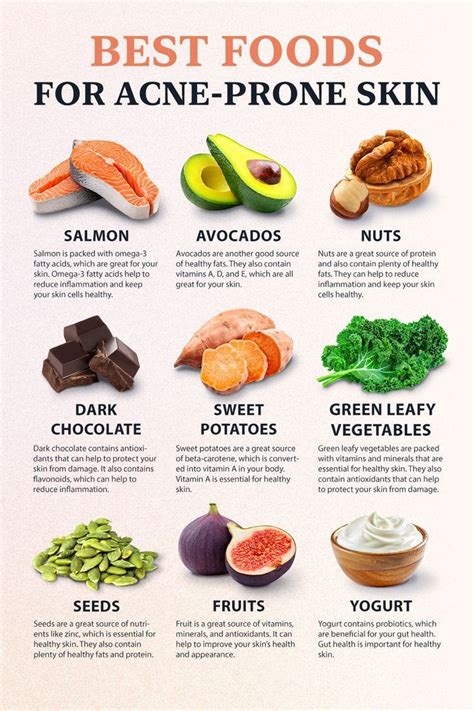
Best Foods for Acne-Prone Skin
These foods are rich in nutrients that support clear skin by reducing inflammation, balancing hormones, and promoting healthy skin regeneration:
- Anti-inflammatory foods (e.g., fatty fish, berries, leafy greens)
- Low-glycemic index foods (e.g., whole grains, legumes, non-starchy vegetables)
- Foods rich in zinc (e.g., pumpkin seeds, lentils, beef)
- Probiotic-rich foods (e.g., yogurt with live cultures, kefir, sauerkraut)
- Healthy fats (e.g., avocados, nuts, seeds, olive oil)
Worst Foods for Acne-Prone Skin
These foods may worsen acne by causing inflammation, hormonal imbalances, or excessive oil production:
- High-glycemic index foods (e.g., white bread, sugary cereals, pastries)
- Dairy products (for sensitive individuals)
- Processed foods and fast food
- Excessive saturated and trans fats
If you have acne, switching to appropriate dairy alternatives can help prevent flare-ups and promote healthier skin. Almond milk, oat milk, and coconut milk are excellent choices due to their anti-inflammatory properties, low sugar content, and vitamin richness. Hemp milk and rice milk are also good options, particularly for those with sensitivities.
When to Consult a Dermatologist
Acne is a common and manageable condition, but knowing when to seek professional help can significantly improve treatment outcomes. Consider consulting a dermatologist if your acne is:
- Persistent and does not improve with home care or over-the-counter treatments.
- Severe, characterized by deep cysts or nodules.
- Causing emotional distress or affecting self-esteem.
- Leading to scarring.
- Coexisting with other skin conditions.
Almonds and Acne: Research and Insights
While almond milk offers several potential benefits for acne-prone skin, the role of whole almonds themselves is also a subject of interest and research.
Almond Consumption and Acne Lesions: A Study
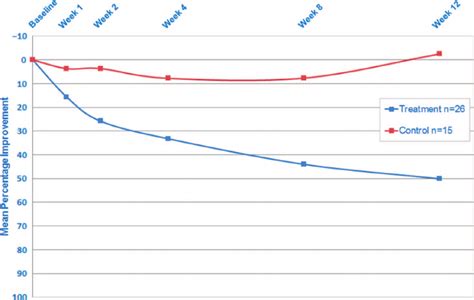
A randomized controlled trial investigated the effects of daily almond intake on acne severity in adults. Participants consumed either 60 grams of whole almonds with skin daily or calorie-matched control snacks for 20 weeks. The study found that the almond group experienced significantly greater reductions in total, inflammatory, and non-inflammatory acne lesion counts compared to the control group. Objective measures of lesion volume and area also decreased, and participants reported improvements in acne-specific quality of life and reduced anxiety symptoms.
These findings suggest that almonds may serve as a beneficial dietary addition to standard acne treatments, supporting overall skin health. The study, published in the journal Nutrients, highlighted improvements in skin microbial diversity, with increased Shannon and Chao1 indices observed in the almond-consuming group.
Potential Mechanisms and Considerations
Almonds are rich in nutrients like vitamin E, an antioxidant with anti-inflammatory properties, and zinc, which is important for skin health and may help combat acne-causing bacteria. The fiber content in almonds can also contribute to better blood sugar control, indirectly benefiting acne management.
However, it's important to note that almonds are also a source of omega-6 fatty acids. While essential, an imbalance-an excess of omega-6 relative to omega-3 fatty acids-can promote inflammation in the body, which could potentially exacerbate acne in susceptible individuals. The brown skin of almonds contains a high concentration of antioxidants.
It is crucial for individuals to monitor their own skin's reaction to almonds. If you have a nut allergy or sensitivity, or if you notice a correlation between almond consumption and increased breakouts, it may be advisable to limit or avoid them. Opting for unsweetened and organic almond milk is generally recommended, and paying attention to how your skin responds is key.
While research indicates potential benefits, the study had limitations, including a modest sample size and duration. Further research in larger, more diverse populations is warranted to confirm these findings and fully understand the biological pathways linking almond consumption, gut health, and skin well-being.
Almonds vs. Greasy Foods and Other Myths
It's a common misconception that eating greasy foods directly causes acne. While preparing greasy foods might lead to oil splattering onto the skin and potentially clogging pores, the consumption of fatty foods themselves does not typically cause acne. Conversely, some studies suggest that dark chocolate, with less sugar and milk, might be a better choice than milk chocolate for those managing acne.
The link between specific foods and acne is complex and multifactorial. Genetics, lifestyle, and hormonal balance all play significant roles alongside diet. While scientists continue to explore these connections, focusing on a balanced, nutrient-rich diet remains a cornerstone of good skin health.