Introduction to Anua 3 Ceramide Panthenol Moisture Barrier Cream
The Anua 3 Ceramide Panthenol Moisture Barrier Cream is formulated to strengthen the skin's natural barrier by combining the benefits of ceramides and panthenol.
Understanding Key Ingredients
Water (H2O)
Water, or H2O, is the most common ingredient in skincare. The water used in cosmetic products is purified and deionized, meaning most mineral ions have been removed.
Panthenol (Pro-Vitamin B5)
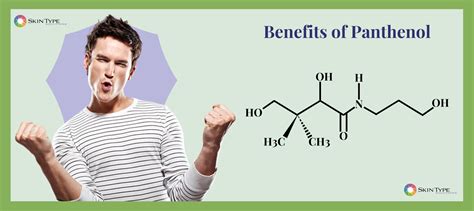
Panthenol, also known as pro-vitamin B5, is a humectant, meaning it helps the skin attract and retain moisture. It also possesses anti-inflammatory and skin-protecting properties, with studies indicating it can reduce irritation caused by other skincare ingredients. Additionally, panthenol is beneficial for hair and nail care due to its hydrating effects.
Butylene Glycol (BG)
Butylene glycol is a multi-tasking ingredient that functions as a solvent for other components. It enhances skin absorption, improves product spreadability (acting as a slip agent), and helps attract water to the skin (acting as a humectant). BG is approved by Ecocert and is commonly used in natural products.
Propanediol
Propanediol is a natural alternative to propylene glycol. It serves as an emollient, leaving the skin feeling smooth and soft. Derived from coconut oil and glycerin, it is light-textured, clear, odorless, non-greasy, and well-tolerated by all skin types.
Cetyl Ethylhexanoate
This ingredient is an odorless and colorless emollient ester that provides a velvety and silky feel to the skin. It offers excellent spreadability and a non-oily finish.
Isostearyl Isostearate
A clear, slightly yellow, odorless oil, isostearyl isostearate is a common emollient with medium spreading properties.
Dimethicone
Dimethicone is a silicone fluid that imparts an easy-to-spread, non-oily emolliency to formulations. It also acts as a water-repellent additive and can reduce the tackiness of other ingredients.
Caprylic/Capric Triglyceride
This multi-functional ingredient contributes a soft and pleasant feel to formulations. It functions as a humectant and emollient, can act as a solvent (helping to stabilize perfumes), and aids in dispersing pigments evenly in makeup.
Glyceryl Stearate SE
Glyceryl Stearate SE is a thick, paste-like emollient ester, often considered a vegetable-derived alternative to lanolin. It is a multi-functional ingredient that acts as an emulsion stabilizer, solvent, and broad-spectrum antimicrobial. It also functions as a moisturizer and enhances the product's feel on the skin, working synergistically with preservatives and improving sunscreen water resistance.
Centella Asiatica (Gotu Kola / Cica)
Centella Asiatica, also known as Gotu Kola or Cica, has a long history of use in folk medicine and is now recognized for its numerous benefits. Its active compounds, including asiaticoside and madecassoside, stimulate the synthesis of glycosaminoglycans (GAGs) and hyaluronic acid in the skin. Madecassoside aids in wound healing by increasing antioxidant activity and collagen synthesis. Centella Asiatica is also found in products targeting cellulite and stretch marks, offering proven wound healing, anti-inflammatory, and antioxidant properties.
Sodium Hyaluronate
Sodium hyaluronate is the salt form of hyaluronic acid (HA). Like HA, it acts as a humectant, holding onto water to keep the skin plump and elastic. While often used interchangeably with hyaluronic acid, sodium hyaluronate is considered to have smaller molecules that may penetrate the skin more effectively.
Myrtle Extract
Myrtle extract, derived from the myrtle shrub, possesses antimicrobial and antioxidant properties. It can act as an astringent and may benefit acne-prone skin. However, it contains essential oils that can be potential irritants for sensitive skin.
Betaine
Betaine is a sugar beet-derived amino acid derivative that offers skin protection and moisturization. It also acts as a natural emulsifier, providing a soft, powdery feel and is gentle enough for sensitive or baby skin products.
Ceramide NP
Ceramide NP is one of many ceramides naturally found in the skin's upper layer. Ceramides constitute a significant portion of the intercellular lipids, playing a crucial role in maintaining a healthy skin barrier and ensuring skin hydration.
C13-15 Alkane
This long-named polymer molecule is a helper ingredient adept at emulsifying and stabilizing oils in water-based formulas. It also functions as a thickening and gelling agent, creating smooth, non-sticky textures. It is effective across a wide pH range (3-12).
C14-22 Alcohol
A 100% vegetable-origin emulsifier, C14-22 Alcohol often works in conjunction with other ingredients to create stable emulsions.
C12-20 Alkyl Glucoside
This versatile polymer helps to thicken products and acts as an emulsifier, contributing to gel-cream-like textures. It provides a light, silky, and cool sensation on the skin.
Glyceryl Stearate
Glyceryl Stearate is chemically formed by attaching a glycerin molecule to stearic acid. It can be produced from vegetable oils through a process similar to soap making and is readily biodegradable. It occurs naturally in the body and is used as a food additive.
Steareth-2
Steareth-2 is a thick, high molecular weight silicone that is typically diluted in lighter silicone fluids.
Lecithin
This amino acid-based emulsifier facilitates the mixing and stability of oil and water phases in formulations. It is a chemically fragmented form of natural lecithin.
Acrylates/C10-30 Alkyl Acrylate Crosspolymer
This polymer molecule is related to Carbomer. It contains both water-loving and water-hating monomers, allowing it to function as a thickener and emulsion stabilizer.
Acrylates Copolymer
This ingredient helps to set and maintain the product's pH, ensuring stability and preventing changes in color or consistency over time.
PEG-10 Stearate
A vegetable-based, PEG-free emulsifier, PEG-10 Stearate helps to combine water and oil components effectively. It is created by attaching ten glycerin molecules to stearic acid.
Ethylhexylglycerin
Often found alongside phenoxyethanol, ethylhexylglycerin is a clear, colorless liquid that acts as a solvent and reduces viscosity. It also provides moisturizing benefits to the skin.
Alpha-Linolenic Acid (ALA)
Alpha-Linolenic Acid is an essential omega-3 fatty acid that the body cannot synthesize. It is a polyunsaturated fatty acid with a kinked structure, giving it a liquid consistency. While abundant in some diets, it may be deficient in others. ALA plays a role in modulating the skin's immune response and may help with inflammatory skin conditions. Topical application may offer spot-fading abilities.
How Does Fish Oil Work? (+ Pharmacology)
Allantoin
Allantoin is a soothing ingredient found naturally in comfrey roots and leaves, though often synthesized for cosmetic use. It offers soothing, skin-softening, and protective benefits, and can promote wound healing.
Ectoin
Ectoin is a multi-functional active ingredient known for its protective capabilities. It shields the skin from pollution, light, and environmental stressors by binding water molecules and forming stabilizing hydration shells around cells. Ectoin offers antioxidant, anti-inflammatory, hydrating, barrier-repairing, and anti-aging benefits. Studies have shown significant reductions in wrinkle depth, improvements in skin scaling, roughness, and elasticity. It also protects skin cells from UV damage, reduces redness on irritated skin, helps sensitive skin tolerate retinol, and significantly boosts skin hydration. Ectoin is also recognized for its anti-pollution properties, protecting against particulate matter, PAHs, heavy metals, and blue light.
Squalane
Squalane is a saturated hydrocarbon, making it a stable oily liquid with a long shelf life. It occurs naturally in plant oils (like olive) and human sebum. Its primary functions are emolliency, surface occlusion, and prevention of transepidermal water loss (TEWL).