While discussions about aging skin typically focus on sun exposure, genetics, and skincare products, the fabric we sleep on for eight hours a night is an often-overlooked contributor. The position we sleep in and the material of our pillowcase can significantly impact the health and appearance of our skin, potentially accelerating the formation of fine lines, promoting irritation, and contributing to breakouts. This is a small change with a surprisingly big impact on skin health.
The Crucial Role of Sleep in Skin Repair
Sleep is a vital period for the body's repair processes, and the skin is no exception. During sleep, cell turnover increases, collagen production is boosted, and damage from environmental stressors is repaired. A study published in Clinical and Experimental Dermatology found that individuals who experienced quality sleep demonstrated a 30% better skin barrier recovery compared to those who were sleep-deprived. For sleep to positively affect the skin, the sleep environment must be skin-friendly, meaning everything from room humidity to the surface your face rests on is important.
How Pillowcases Contribute to Fine Lines and Wrinkles
Your pillowcase can subtly contribute to facial aging each night through mechanical compression and friction. Traditional fabrics, particularly cotton, are often rougher and more absorbent. When your face repeatedly presses against these surfaces, it creates folds in the skin. This repetitive pressure and tugging can lead to "sleep lines," which may initially fade in the morning but can eventually become permanent wrinkles. Research published in the Aesthetic Surgery Journal notes that sleep wrinkles differ from expression lines, forming perpendicular to muscle direction and caused by external forces like pillow pressure. Side and stomach sleepers are particularly susceptible due to prolonged facial compression against the pillow.
Optimal Pillowcase Fabrics for Skin Health
Silk Pillowcases
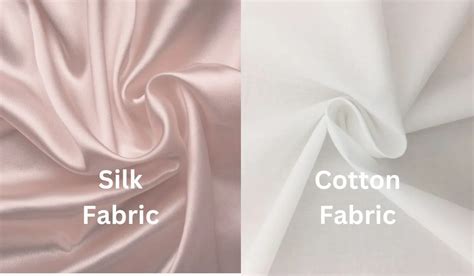
Silk is widely considered the gold standard for skin-friendly pillowcases. Its exceptionally smooth texture minimizes friction, allowing the skin to glide rather than tug, which reduces the risk of developing fine lines. Silk is also less absorbent than cotton, helping the skin retain its natural oils and essential moisture, a crucial benefit for those with dry or aging skin. Furthermore, silk is naturally hypoallergenic, making it an excellent choice for individuals with sensitive skin types.
Satin Pillowcases
Satin offers a similar smoothness to silk but is typically more affordable and easier to care for, especially when made from polyester blends. Like silk, satin reduces friction and helps preserve skin hydration overnight. While it may not possess all the luxurious benefits of pure silk, it remains a superior alternative to rough cotton for protecting the skin from nightly wear and tear.
Bamboo Pillowcases
Bamboo-derived fabrics are increasingly popular in the skincare community due to their breathability, antimicrobial properties, and gentleness on sensitive skin. Bamboo pillowcases also aid in temperature regulation and wick away moisture without stripping the skin of hydration. As an added benefit, bamboo is a highly sustainable textile source, making it an excellent option for environmentally conscious consumers.
Cotton Pillowcases: The Drawbacks
Cotton, while common, affordable, and breathable, presents several challenges for skin health. Its high absorbency can draw moisture from the skin and soak up valuable nighttime skincare products. The fabric's rougher texture increases friction, potentially leading to skin irritation and the formation of sleep lines. Lower-quality cotton can also become coarse over time with repeated washing.
Choosing the Right Pillowcase for Skin Health
When prioritizing skin health, dermatologists often recommend silk pillowcases for their gentleness, ability to reduce friction, and moisture retention properties. When shopping for silk pillowcases, look for mulberry silk with a high momme count (19 or higher is ideal), which indicates the density and quality of the silk. Opting for a Grade A rating signifies the highest quality silk threads.
The Impact of Dirty Pillowcases on Skin
Beyond the fabric, the cleanliness of your pillowcase is paramount. Over time, pillowcases accumulate oil, sweat, bacteria, and dead skin cells, which can clog pores and lead to breakouts, especially for those with acne-prone or sensitive skin. The American Academy of Dermatology recommends changing pillowcases at least once or twice a week, or more frequently if you have oily skin, use heavy skincare or hair products, or sweat during the night. Dirty pillowcases can also increase friction, exacerbating conditions like rosacea and contact dermatitis. Regular cleaning of bedding is a simple yet effective way to promote clearer, calmer skin.
How Pillowcase Condition Affects Skin
Even soft pillowcases can degrade over time. Repeated washing and detergents can make fabrics rough, causing micro-abrasions on the skin. These imperceptible tears can lead to redness, dryness, and irritation, particularly for individuals with eczema, psoriasis, or very dry skin. Inexpensive cotton and polyester blends are more prone to pilling and coarseness. Older pillowcases may also retain detergent residue or fabric softener buildup, further irritating sensitive complexions. To protect your skin, replace pillowcases every one to two years and select soft fabrics with a high thread count designed for sensitive or aging skin.
Other Sleep Habits Influencing Skin Aging
Sleeping Position
Your sleeping position directly impacts skin aging. Sleeping on your side or stomach causes your face and chest to compress against the pillow, leading to creasing and the development of lines on the cheeks, jawline, and décolletage. This can result in asymmetrical aging or more pronounced wrinkles on one side of the face, a phenomenon dermatologists refer to as “compression aging.”
Poor Sleep Quality
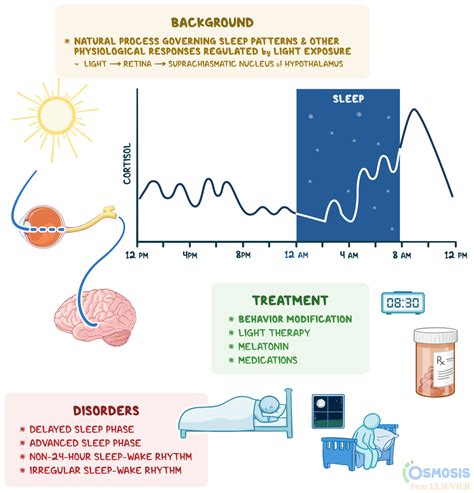
The concept of "beauty sleep" is scientifically supported. Studies indicate that poor sleep quality elevates cortisol levels, which can break down essential proteins like collagen and elastin that maintain skin firmness and elasticity. Conversely, good sleep supports optimal blood flow, hydration balance, and cellular repair. Research in the Journal of Investigative Dermatology found that sleep-deprived individuals exhibited more visible signs of aging and slower skin recovery from environmental stressors.
Tips for Smarter Sleep for Your Skin
- Sleep on your back to minimize facial compression and prevent sleep wrinkles.
- Use a supportive pillow to maintain proper head and spine alignment.
- Invest in a silk or satin pillowcase to reduce friction and help your skin retain moisture.
- Maintain a clean sleep environment by washing pillowcases at least once or twice weekly.
- Use fragrance-free, gentle detergents to avoid skin irritation.
- Adhere to a nighttime skincare routine that includes hydrating serums and moisturizers to support skin barrier repair during sleep.
While high-quality skincare and sun protection remain critical in combating aging, your sleep habits and pillowcase choice play a surprisingly influential role in your skin's appearance and feel. By adopting gentler fabrics like silk, maintaining clean bedding, and adjusting your sleep position, you can enhance your skin's natural overnight renewal process. Preventing wrinkles can sometimes be as simple as changing the fabric your face rests on for a significant portion of your life.