Acne, a prevalent skin condition affecting individuals across all age groups, is known as acne vulgaris. In Ayurveda, the approach to treating acne is deeply rooted in achieving balance within the body's fundamental energies, known as doshas: Vata, Pitta, and Kapha. This holistic perspective aims to address the underlying causes of acne, such as hormonal imbalances, inflammation, and the accumulation of toxins, rather than merely treating the visible symptoms. Ayurvedic treatments leverage the power of herbal ingredients renowned for their antibacterial, anti-inflammatory, and detoxifying properties. By understanding an individual's unique dosha constitution, personalized remedies can be formulated to promote clearer, healthier skin naturally, ensuring long-term benefits.

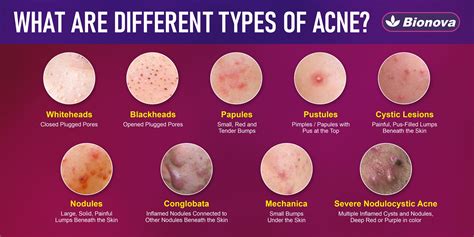
Common manifestations of acne include pimples, blackheads, whiteheads, and in more severe cases, cystic acne. Ayurveda often associates this condition with an imbalance in the Pitta dosha, which governs heat and inflammation within the body. Various triggers can exacerbate acne, including the consumption of processed foods, stress, hormonal fluctuations, and inadequate skincare practices. Recognizing and addressing these triggers, alongside the underlying doshic imbalance, is crucial for effective Ayurvedic treatment plans. Furthermore, regular detoxification and stress management are vital components in preventing recurring breakouts.
Understanding Ayurveda's Principles for Healthy Skin
Ayurveda posits that skin health is a direct reflection of internal equilibrium. The three primary doshas-Vata, Pitta, and Kapha-each play a role in various bodily functions, including the condition of the skin. An imbalance in any of these doshas can manifest as skin issues, including acne.
- Pitta Dosha: When aggravated, Pitta contributes to inflammation, redness, and acne breakouts. Cooling herbs and therapies are employed to mitigate this inflammation.
- Kapha Dosha: An excess of Kapha can lead to oily skin and clogged pores, exacerbating acne conditions.
- Vata Dosha: An imbalanced Vata may result in dry, flaky skin, which can worsen acne through irritation.
Achieving clear skin through Ayurveda involves balancing these doshas via a holistic approach that integrates diet, lifestyle adjustments, and herbal remedies. A disciplined routine, coupled with an awareness of dosha-specific triggers, is essential for achieving lasting improvements.
Key Ayurvedic Remedies for Acne
Several natural ingredients and herbal formulations are highly regarded in Ayurveda for their efficacy in treating acne:
- Neem: Celebrated for its potent antibacterial and anti-inflammatory properties, neem is an excellent remedy for acne. Applying a paste made from fresh neem leaves or using neem oil on the affected areas can reduce inflammation and inhibit bacterial growth.
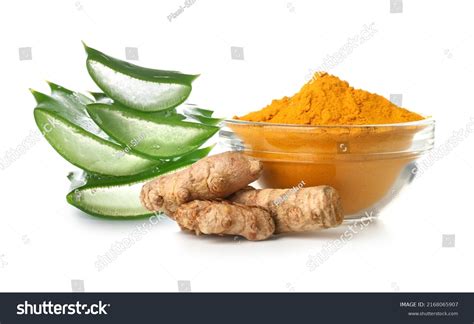
- Turmeric: This spice is renowned for its anti-inflammatory and antibacterial qualities, effectively reducing redness and inflammation associated with acne. A mask made by mixing turmeric powder with fresh aloe vera gel can be applied to the face.
- Aloe Vera Gel: Aloe vera provides a soothing effect on irritated skin, reduces inflammation, and promotes healing. Fresh aloe vera gel can be used as a cleanser or applied directly to pimples.
- Sandalwood: Possessing cooling and anti-inflammatory properties, sandalwood is particularly beneficial for Pitta-related acne. A face pack created with sandalwood powder and rose water, left on for 20 minutes, can be highly effective.
- Herbal Face Pack: A combination of turmeric, neem powder, and sandalwood powder mixed with aloe vera gel or water creates a powerful face pack that detoxifies the skin and helps reduce acne breakouts.
- Triphala: This potent Ayurvedic blend of three fruits aids in detoxifying the body and improving digestion, addressing acne from its root causes. Triphala can be consumed as tea or taken in supplement form.
- Honey and Cinnamon: Honey's antibacterial properties combined with cinnamon's ability to improve blood circulation make this duo an effective remedy for reducing existing acne and preventing new breakouts. A paste of honey and cinnamon can be applied to affected areas.
- Fenugreek Seeds: Known for their anti-inflammatory effects, fenugreek seeds can be soaked overnight, ground into a paste, and applied to the skin to combat acne.
Ayurvedic Herbs for Treating Acne
A variety of Ayurvedic herbs are instrumental in combating acne by targeting inflammation, bacterial infections, and toxin buildup. These herbs are rich in beneficial compounds:
- Neem: Purifies the blood and detoxifies the skin.
- Turmeric: Reduces inflammation and exhibits antibacterial effects.
- Aloe Vera: Soothes and heals irritated skin.
- Sandalwood: Cools the skin and diminishes redness.
- Manjistha: Aids in blood detoxification and enhances overall skin health.
- Triphala: Supports digestive health and detoxification processes.
- Licorice Root: Its skin-soothing and anti-inflammatory properties help reduce redness and prevent acne scarring.
- Basil (Tulsi): Possesses strong antibacterial properties that help maintain skin cleanliness and prevent bacterial proliferation.
Ayurvedic Treatment Routine for Acne Prevention
Adhering to a daily Ayurvedic routine is crucial for maintaining healthy skin and preventing acne:
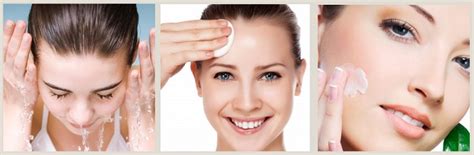
- Cleanse: Utilize a gentle herbal cleanser formulated with neem or aloe vera to effectively remove impurities.
- Exfoliate: Once or twice weekly, exfoliate the skin using a natural scrub containing turmeric and sandalwood powder.
- Tone: Apply rose water or an herbal toner to rebalance the skin's pH levels.
- Moisturize: Hydrate the skin using light, non-comedogenic oils such as jojoba or aloe vera gel.
Dietary Recommendations for Acne Prevention
Ayurveda places significant emphasis on diet as a cornerstone of skin health. Key dietary recommendations for acne prevention include:
- Avoid Processed Foods: Processed and fried items can aggravate Kapha and Pitta doshas, leading to acne breakouts.
- Include Fresh Fruits and Vegetables: Foods rich in vitamins and antioxidants contribute to the body's detoxification and promote clear skin.
- Drink Herbal Teas: Teas brewed with ingredients like neem, turmeric, and basil can aid in detoxification and dosha balancing.
- Limit Dairy Intake: Excessive consumption of dairy products may exacerbate Kapha and Pitta, resulting in clogged pores and inflammation.
- Consume Cooling Foods: Incorporating cooling foods such as cucumber, watermelon, and mint helps pacify Pitta dosha and reduce inflammation.
A diet that is rich in vitamin C and low in fats and sugar is conducive to radiant skin. Conversely, spicy, fermented, salty, and fried foods should be avoided. Ensuring adequate hydration by drinking plenty of water and herbal teas is also vital for flushing out toxins and maintaining skin moisture.
Understanding Hormonal Acne through an Ayurvedic Lens
Hormonal acne, particularly common during the menstrual cycle, is often attributed to underlying hormonal imbalances. Ayurveda views acne as a manifestation of internal imbalance, especially concerning the menstrual cycle and digestive system. Ayurvedic treatments for hormonal acne focus on regulating menstrual hormones, detoxifying the body, and restoring inner harmony. This ancient system of healing utilizes natural remedies to support long-term skin health and promote clear, radiant skin.
In Ayurveda, hormones are understood as vital energy forces that influence bodily functions, including skin health. Imbalances in the doshas (Vata, Pitta, Kapha) can manifest as skin issues like acne. Hormonal fluctuations and doshic imbalances disrupt the equilibrium, leading to skin problems.
Jaw Acne and Puffiness: Hormones and Lymphatics in Ayurveda
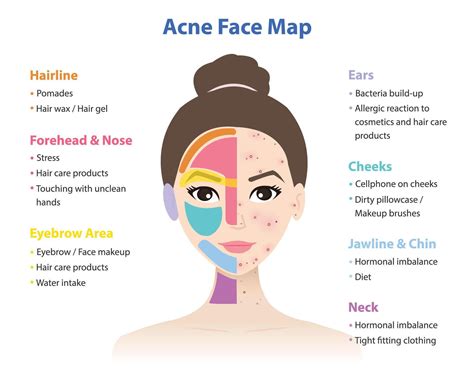
The jawline is considered a significant indicator in Ayurveda, reflecting both hormonal health and lymphatic flow. Breakouts or swelling in this area can signal deeper systemic imbalances requiring gentle correction:
- Jawline Acne (Pitta Imbalance): This is often linked to hormonal fluctuations and aggravated Pitta, leading to increased oil production and inflammation. Common triggers include stress, poor sleep, high sugar intake, dairy, and inflammatory foods. Flare-ups frequently coincide with hormonal shifts like PMS.
- Puffiness in the Jaw (Kapha Imbalance): Swelling in the jaw and neck area can indicate Kapha-related lymphatic congestion, where fluids accumulate due to slow lymph flow. This is often worsened by weak digestion, toxin buildup (ama), and stress, which can aggravate Kapha sluggishness.
Ayurvedic insights reveal that changes in the jawline highlight the intersection of hormones (Pitta) and the lymphatic system (Kapha). Daily practices such as abhyanga (self-oil massage), dry brushing, and movement can help improve lymph circulation and reduce congestion.
Lifestyle Practices to Harmonize Hormones and Reduce Acne
Several lifestyle practices can contribute to hormonal balance and acne reduction:
- Yoga and Meditation: Regular practice of yoga asanas, pranayama (breathwork), and meditation can effectively reduce stress levels, a common trigger for hormonal imbalances and acne breakouts.
- Daily Routine (Dinacharya): Following a consistent daily morning and evening routine aligned with your body's natural dosha rhythms supports hormonal balance and overall well-being.
- Detoxification: Ayurvedic cleansing techniques help eliminate toxins (ama) from the body, promoting hormonal harmony and skin health. Gentle, daily detoxification methods can be easily integrated into one's routine.
By embracing the holistic principles of Ayurveda, individuals can address the root causes of hormonal imbalances and acne. This approach focuses on naturally balancing the menstrual cycle, leading to long-lasting results. Rather than superficial symptom treatment, Ayurveda aims to heal from within, recognizing that external skin conditions often mirror internal states.
Ayurvedic Perspective on Acne Causes and Treatments
Ayurveda identifies several factors that can contribute to acne, referred to as Mukhdushika or Yuvan pidika. These include:
- Dietary Factors: Intake of fried and junk food, excess non-vegetarian food, and spicy or fermented foods can vitiate Kapha and Pitta doshas, leading to blood vitiation and acne.
- Lifestyle Habits: Night awakening, overexposure to stress and anxiety, and irregular sleep patterns can disrupt the body's natural rhythms, leading to toxin accumulation and acne.
- External Factors: Overuse of cosmetics can directly impact facial skin.
- Physiological Changes: Hormonal imbalances, particularly during adolescence and pregnancy, are significant contributors.
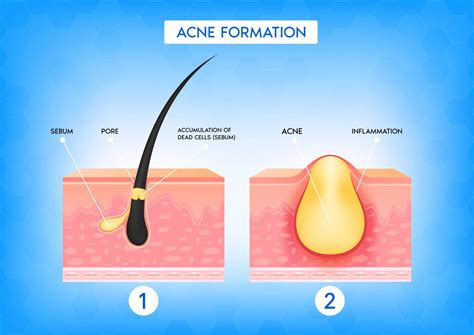
In modern scientific terms, acne occurs when hair follicles become plugged with oil (sebum) and dead skin cells. This can be due to overproduction of sebum, irregular shedding of dead skin cells, irritation of hair follicles, bacteria, and hormonal fluctuations.
Ayurvedic Understanding of Dosha Imbalances and Acne
Ayurveda explains acne as a result of provoked Vata and Pitta doshas, which lead to the vitiation of Rakta (blood) and Mamsa dhatu (muscle tissues). This causes irritation in localized areas, manifesting as lesions.
- Vata-aggravated acne: Tends to present as tiny milia or blackheads, often linked to dehydration and constipation. Increasing fluid intake, consuming healthy fats, and reducing dehydrating foods are recommended. Stress management through routine and ritual is also crucial.
- Pitta-type acne: Characterized by redness, inflammation, and pain. It may also appear as milia or cysts. This type is associated with the liver, blood, stomach, and small intestine. Gentle topical care, soothing moisturizers, and internal support for liver and digestion are advised. Cooling and healing foods are important, and dietary intolerances should be addressed.
- Kapha-governed acne: Related to the lymphatic system and potential stagnation. Kapha excess can lead to oily skin and clogged pores. Exercise and movement are essential for lymphatic flow.
Ayurvedic Herbs and Treatments for Acne
Ayurveda employs a range of herbs and treatments to address acne:
- Nimba (Neem): A renowned blood purifier that prevents acne from worsening.
- Haridra (Turmeric): Enhances facial luster and reduces skin oiliness.
- Daruharidra (Berberis aristata): Helps reduce acne scars and imparts a glow.
- Sariva (Hemidesmus indicus): Acts as a coolant, promotes complexion, and purifies blood.
- Chandana (Sandalwood): Soothes the skin.
- Rakta Chandana (Red Sandal): Improves blood circulation and purifies blood.
- Jatiphala (Nutmeg): Topical application helps reduce scar marks.
- Usheera (Vetiver): Acts as a coolant and relieves stress.
- Manjishta (Rubia cordifolia): Purifies blood and enhances circulation.
- Amalaki (Indian Gooseberry): Nourishes the skin and blood.
- Khadira (Acacia catechu): A well-known blood purifier.
- Draksha (Raisins): Acts as a coolant and improves blood circulation.
Oral Ayurvedic medicines for acne include:
- Kaishora guggulu
- Triphala guggulu
- Arogya Vardhini Vati
- Mahamanjishtadi kashaya
- Panchanimba choorna
- Triphaladi kashaya
- Avipathi choorna
- Sarivadyasava
- Khadirarishta
- Usheerasava
- Chandanasava
Ayurvedic cleansing procedures like Panchakarma, including Virechana Karma (Purgation), administered by qualified practitioners, can also be beneficial, especially for pacifying Pitta dosha.
General Ayurvedic Tips for Acne-Prone Skin
Simple yet effective Ayurvedic tips for managing acne-prone skin include:
- Wash the face thoroughly with lukewarm water three to four times a day.
- Incorporate blood-purifying and detoxifying herbs with astringent and bitter tastes.
- Use complexion enhancers like turmeric and sandalwood paste.
- Employ cooling and mind-soothing remedies.
- Consume easily digestible food, raw vegetables (carrot, cucumber), and fruits (guava, apple, pear).
- Ensure 6-7 hours of quality sleep per night.
- Practice anti-stress techniques like Pranayama.
Ayurvedic home remedies can also be applied:
- A paste made from tender leaves of guava, mango, and pomegranate can be applied to acne lesions to reduce spots and enhance facial glow.
- A paste of red ixora flowers and rose petals, mixed with a little turmeric, can be used.
- Ash from dried lemon outer skin, mixed with buttermilk, can be applied to acne areas.
It is important to avoid popping pimples, as this can lead to increased swelling, redness, and scarring. Cleaning the area with rose water and applying a chilled green tea bag can help soothe emerging pimples. Frequent cleaning of glasses and sunglasses is also advised to prevent oil from clogging pores.
Secrets of a celebrity Facialist - Face massage for Acne & Sensitive skin
Ultimately, achieving clear, healthy skin through Ayurveda is a holistic process that involves balancing the doshas, detoxifying the body, and adopting a mindful lifestyle. Consistency in skincare, diet, and lifestyle changes is key to achieving lasting results. Consulting with an Ayurvedic practitioner for personalized treatment plans tailored to your specific dosha constitution can further enhance the effectiveness of these natural approaches.