Sunscreen is a crucial component of any skincare routine, offering protection against the harmful effects of ultraviolet (UV) radiation. Beyond preventing sunburn, regular sunscreen use helps to mitigate premature aging, reduce the risk of skin cancer, and maintain overall skin health. This article delves into the benefits of using sunscreen on a bare face and explores the key ingredients that contribute to effective sun protection.
Understanding UV Radiation and Sunscreen Types
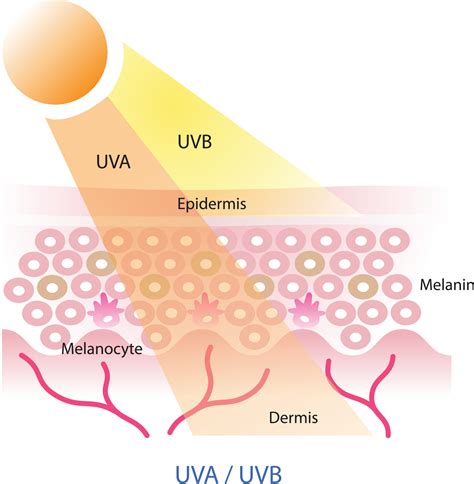
UV radiation is broadly categorized into UVA and UVB rays, both of which can damage the skin. UVA rays penetrate deeper into the skin, contributing to premature aging such as wrinkles and sunspots, while UVB rays are primarily responsible for sunburn.
Traditionally, sunscreens have been divided into two main categories: chemical and physical (mineral). Chemical sunscreens work by absorbing UV radiation and converting it into heat, which is then released from the skin. Physical sunscreens, on the other hand, act as a barrier, reflecting and scattering UV rays away from the skin.
It is important to note that recent studies suggest that inorganic sunscreens, such as titanium dioxide and zinc oxide, function primarily through absorption, similar to chemical filters, with only a small amount of reflection. Regardless of the mechanism, the goal is to provide comprehensive protection.
Key Chemical Sunscreen Ingredients and Their Properties
Several chemical compounds are used in sunscreens to provide UV protection. Each has its own strengths, weaknesses, and safety considerations.
Octinoxate (Ethylhexyl Methoxycinnamate)
Octinoxate, also known as Ethylhexyl Methoxycinnamate, is an oil-soluble chemical sunscreen agent that primarily protects the skin in the UVB and somewhat in the UVA II range, with a peak absorption at 304 nm. Its protection is not strong enough on its own but it is quite photostable, losing only about 10% of its SPF protection in 95 minutes. It is often used to stabilize other photo-unstable UV-filters, such as Avobenzone.
Regarding safety, there are some concerns surrounding Octinoxate. In vitro and animal studies have suggested potential hormonal (estrogen-like) effects. However, these studies were not conducted under real-life conditions on humans, making it likely over-cautious to avoid it altogether. Nevertheless, if you are pregnant or a young child, choosing a physical sunscreen or a new-generation Tinosorb-based sunscreen is a safer option.
The state of Hawaii has banned sunscreens containing octinoxate due to its potential impact on coral reefs, though more research is needed in this area. The European Union permits higher levels of octinoxate in sunscreens than the US and Australia.
Avobenzone
Avobenzone is a unique chemical sunscreen agent that provides excellent protection across the entire UVA range (310-400 nm), including both UVA1 and UVA2, with a peak protection at 360 nm. However, its main drawback is its instability when exposed to sunlight, leading to degradation and a loss of effectiveness. It can lose up to 36% of its UV-absorption capacity after just one hour of sunlight, which is why frequent reapplication of sunscreen is necessary.
The cosmetic industry attempts to improve Avobenzone's stability by combining it with other UV filters like Octocrylene, Tinosorb S, or Ensulizole, or by encapsulating it. While these solutions help, they are not perfect. Interestingly, combining Avobenzone with mineral sunscreens (titanium dioxide and zinc oxide) is not recommended.
In terms of safety, Avobenzone has a good profile, being non-irritating and showing no estrogenic effects, unlike some other chemical sunscreens.
BP-3 (Oxybenzone)
BP-3, also known as Oxybenzone, is a chemical sunscreen agent that absorbs UVB and short UVA rays (280-350nm) with its peak protection at 288 nm. It is highly stable, a significant advantage over many other chemical sunscreens. However, its UV-absorbing abilities are considered weak, necessitating its combination with other sunscreen agents for adequate protection.
BP-3 is somewhat controversial due to its small molecular size and high lipophilicity (oil-loving nature), which allows for good skin absorption. While the intention is for sunscreens to remain on the skin's surface, BP-3 can be absorbed into the bloodstream. Another concern is its potential estrogenic activity, although this has primarily been observed in vitro and when administered orally to lab animals, not typically through topical application.
Despite these concerns, BP-3 is considered "safe as used" by regulatory agencies worldwide and is an approved sunscreen agent. However, many prefer to avoid it if possible.
Octisalate (Ethylhexyl Salicylate)
Octisalate is an oil-soluble chemical sunscreen agent that protects the skin in the UVB and UVA II range with a peak absorption of 304 nm. While its protection is not robust enough on its own, it is quite photostable and often used to stabilize other less stable UV filters, such as Avobenzone.
Tinosorb S and Tinosorb M
Newer generation sunscreen agents like Tinosorb S are designed to offer stable and broad-spectrum protection. Tinosorb S is particularly effective when combined with other sunscreen agents to enhance stability.
Key Physical (Mineral) Sunscreen Ingredients
Physical sunscreens utilize mineral ingredients to block UV radiation.
Zinc Oxide
Zinc Oxide is a mineral broad-spectrum UV filter, recognized by the FDA as the broadest UVA and UVB reflector. It offers excellent protection against UVB, UVAII, and UVA I rays, providing uniform and extended UVA protection compared to titanium dioxide. Zinc oxide is also highly photostable, meaning it does not easily degrade under sunlight.
In addition to its UV filtering properties, zinc oxide has skin-soothing and protective benefits, making it a common ingredient in sunscreens for sensitive skin, babies, and children. It is unlikely to cause eye irritation. Regulatory agencies consider zinc oxide to be non-toxic and safe, with studies indicating it does not penetrate the skin.
A common drawback of zinc oxide is that it can leave a visible white cast, making mineral sunscreens less cosmetically elegant than chemical or hybrid options. To mitigate this, the cosmetic industry uses both non-nano and nano-sized forms of zinc oxide. The nano version helps reduce the white cast and improve texture, though concerns remain regarding its potential impact on marine ecosystems and skin absorption. Current research suggests that zinc oxide nanoparticles do not penetrate intact or sunburned skin, remaining on the surface or in the outermost layer of dead skin.
Zinc oxide is one of only two mineral UV filters classified as such, the other being titanium dioxide. Historically, zinc has been used in paints and medicines, with ancient texts mentioning its use in salves for open wounds.
Titanium Dioxide
Titanium Dioxide is another mineral broad-spectrum UV filter. It provides good protection between 290-350 nm (UVB and UVA II range) but is less effective in the 350-400 nm (UVA I) range. Like zinc oxide, it is highly stable.
While traditionally thought to reflect UV light, modern research indicates that inorganic sunscreens like titanium dioxide work primarily by absorption, similar to chemical filters. A significant disadvantage of titanium dioxide is its cosmetic elegance; it can be difficult to spread and often leaves a noticeable white tint on the skin.
The use of nanoparticles in titanium dioxide helps to improve its texture and spreadability. However, concerns exist about nanoparticle absorption and their potential to form unwanted complexes with proteins or promote free radical formation. Current research, including a 2009 review article, suggests that nanosized particles of titanium dioxide and zinc oxide have not demonstrated percutaneous penetration in in-vivo and in-vitro studies, meaning they appear to stay on the skin's surface.
Aluminum hydroxide is often used as a protective coating for titanium dioxide to shield the skin from reactive oxygen species generated when titanium dioxide is exposed to UV light. Chlorine in swimming pool water can deplete this coating, reinforcing the need for reapplication after swimming.
Other Beneficial Skincare Ingredients Often Found in Sunscreens
Beyond UV filters, many sunscreens incorporate other ingredients that enhance skin health and product performance.
Water (Aqua)
Water, or H2O, is the most common ingredient in cosmetic products, often appearing at the top of ingredient lists. In cosmetics, the water used is purified and deionized, meaning most mineral ions have been removed. It serves as a base solvent for other ingredients and contributes to the overall hydration of the product.
Niacinamide (Vitamin B3)
Niacinamide, a form of vitamin B3, is a multitasking ingredient that strengthens the skin barrier, reduces the appearance of pores and dark spots, regulates oil production, and improves signs of aging. It is gentle and well-tolerated by most skin types, including sensitive and reactive skin. Niacinamide helps repair cell damage, produce new healthy cells, support collagen production, and protect against environmental stressors. Its safety profile is excellent, and it is approved by Ecocert, often used in natural products.
Glycerin
Glycerin is a humectant naturally found in the skin that helps moisturize and protect. It effectively draws moisture to the skin, improving hydration and strengthening the skin barrier. Glycerin's low molecular weight allows it to penetrate deeper layers of the skin. It also possesses antimicrobial and antiviral properties, making it useful in wound and burn treatments.
Sodium Hyaluronate
Sodium Hyaluronate is the salt form of hyaluronic acid. Like hyaluronic acid, it is excellent at retaining water and acts as a humectant. It is often considered interchangeable with hyaluronic acid in skincare, with both forms effectively hydrating the skin.
Tocopheryl Acetate (Vitamin E)
Tocopheryl Acetate, also known as Vitamin E, is an antioxidant that protects the skin from free radical damage caused by UV exposure. Studies suggest that using Tocopheryl Acetate with Vitamin C can decrease the number of sunburned cells.
Panthenol
Panthenol, a form of vitamin B5, is a humectant that hydrates and soothes the skin. It penetrates deeply into the skin's layers, aiding in wound healing by increasing tissue regeneration and helping to close open wounds. It is generally well-tolerated and beneficial for skin hydration.
Butylene Glycol (BG)
Butylene Glycol (BG) is a colorless, syrupy liquid that functions as a solvent for other ingredients. It enhances product absorption, improves spreadability (acting as a slip agent), and attracts water to the skin (as a humectant). BG is considered safe and is approved for use in natural products and even as a food additive.
Caprylyl Glycol
Caprylyl Glycol is a multifunctional ingredient that provides a soft feel to the skin. It can act as a humectant and emollient, a solvent for other ingredients, and can help disperse pigments evenly in makeup products. It also boosts the effectiveness of preservatives.
Phenoxyethanol
Phenoxyethanol is a preservative with germicide, antimicrobial, and aromatic properties, used to prevent microbial growth and extend the shelf life of products. It is often used in combination with Caprylyl Glycol.
Xanthan Gum
Xanthan Gum is a polysaccharide used as a stabilizer and thickener in cosmetic products, providing a desirable texture and preventing products from being too runny.
Sucrose
Sucrose, a natural sugar, acts as a humectant, attracting water to hydrate the skin. While it can be a mild exfoliant in some products, studies suggest sugars might exacerbate acne-prone skin by disrupting the skin's natural biome.
Lactic Acid
Lactic Acid is a gentle alpha hydroxy acid (AHA) that exfoliates the skin's surface by loosening dead skin cells, leading to smoother and more even-toned skin. It also acts as a humectant, drawing water into the skin, and can boost ceramide production to strengthen the skin barrier. Modern lactic acid used in skincare is often vegan, produced through non-dairy fermentation.
Sh-Oligopeptide-1 (EGF) and other Growth Factors
Ingredients like Sh-Oligopeptide-1 (Epidermal Growth Factor or EGF), Sh-Oligopeptide-2 (Insulin-like Growth Factor 1 or IGF-1), Sh-Polypeptide-1 (Basic Fibroblast Growth Factor or FGF), and Sh-Polypeptide-9 (Vascular Endothelial Growth Factor or VEGF) are types of Growth Factors. These cell signaling proteins are claimed to stimulate cell proliferation, wound healing, and skin rejuvenation. However, their use in cosmetics is controversial. While EGF is mitogenic (stimulates cell proliferation) and not mutagenic (does not cause cancer), it can accelerate the spread of existing cancerous cells. Therefore, individuals with cancer risk factors, moles, or psoriasis should exercise caution when using EGF products.
The Role Of Peptides, Growth Factors & Stem Cells Inside Your Skincare
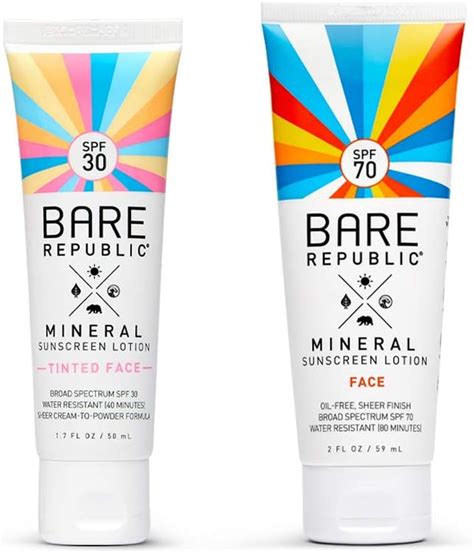
Bare Republic Tinted Facial Mineral Sunscreen SPF 30: An Example
The Bare Republic Tinted Facial Mineral Sunscreen SPF 30 is an example of a physical sunscreen. It contains a combination of titanium dioxide and zinc oxide. This sunscreen also includes raspberry seed oil, known for its antioxidant properties that help fight free radicals, which is beneficial in a sunscreen.
Compared to the non-tinted Bare Republic Face Sunscreen SPF 30, the tinted version has a slightly heavier consistency due to the inclusion of synthetic wax. The tint is subtle and aims to provide a sheer finish. However, the reviewer noted that the tint did not perfectly match their skin tone, leaving a golden, streaky aftereffect.
While both versions can be tried, the reviewer recommends opting for the regular Bare Republic Face Sunscreen SPF 30 over the tinted version if only one is to be chosen, though neither option is considered a poor choice.