Beeswax, a natural protector and soother, has been a cherished ingredient in skincare for centuries. Its effectiveness as a skin barrier rivals that of mineral-based ingredients like petroleum jelly, positioning it as an ideal natural alternative that has been safely used on both humans and animals for millennia. This remarkable substance, produced by worker honeybees, is a testament to nature's ingenuity, offering a multitude of benefits for the skin.
The Science Behind Beeswax Production
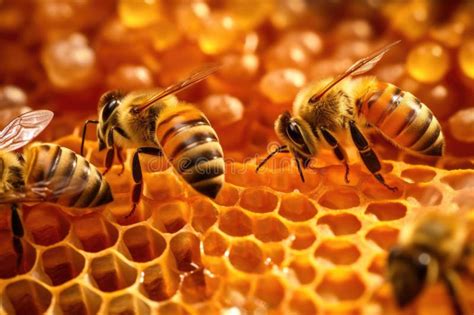
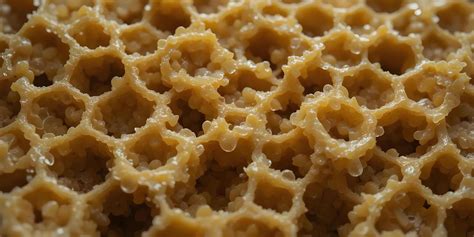
The production of beeswax is a fascinatingly coordinated effort within a bee colony. To stimulate wax production, bees consume significant amounts of honey or sugar syrup and huddle together, generating heat to raise the temperature of the cluster. This energy is then channeled into secreting beeswax, which the bees meticulously use to construct the hexagonal cells of their honeycomb. These cells serve as protective nurseries for their young and as storage units for honey and pollen, essential provisions for the winter months. Producing just one pound of beeswax comb requires bees to consume approximately ten pounds of honey, highlighting the significant energy expenditure involved.
Beeswax as a Skincare Ingredient: Properties and Benefits
Barrier Protection and Moisture Retention
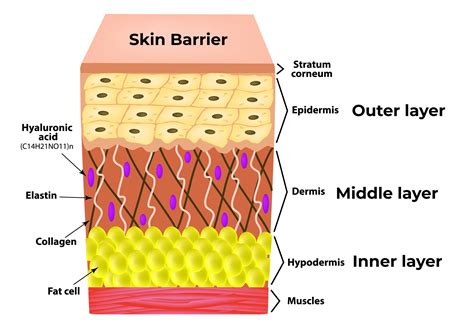
Acting as a surfactant in skincare formulations, beeswax facilitates the blending of oil and water. It forms a protective layer on the skin's surface, acting as a shield against bacteria and enhancing the skin's natural strength. This occlusive property helps to minimize transepidermal water loss, creating a semi-occlusive barrier that locks in hydration. As a humectant, beeswax draws moisture to the skin, ensuring it remains supple and hydrated.
Soothing and Healing Properties
Beeswax possesses natural anti-inflammatory properties, making it effective in calming irritated or sensitive skin. It is particularly beneficial for conditions such as eczema, psoriasis, and chapped skin, helping to reduce redness and discomfort. Its antimicrobial properties further contribute to its healing capabilities, helping to keep bacteria and fungi at bay, which is especially useful for minor cuts, scrapes, and acne-prone skin, thereby preventing infection and supporting the healing process. Historically, beeswax has been used topically for treating burns and wounds, and today it continues to be a valuable ingredient in ointments and creams designed to soothe symptoms of various skin conditions.
Moisturizing and Emollient Qualities
As a top-tier emollient, beeswax softens and smooths the skin by sealing in moisture. Its waxy texture closely mimics the skin's natural lipids, providing a gentle yet effective moisturizing effect. This makes it an excellent choice for dry and parched skin, found in cleansers and moisturizers. Rich in Vitamin A, beeswax supports cell rejuvenation and re-hydration, contributing to overall skin health and a more youthful appearance.
Antioxidant and Anti-Aging Effects
Beeswax is a secret weapon in anti-aging skincare. Its ability to lock in moisture helps to plump the skin, reducing the appearance of fine lines and wrinkles. Furthermore, its antioxidant properties, derived from trace amounts of propolis and Vitamin E, combat free radicals that accelerate the aging process. This dual action of hydration and protection makes beeswax a valuable ingredient for mature skin seeking natural solutions.
Historical and Modern Applications of Beeswax in Skincare
Ancient Origins and Galen's Cold Cream
The use of beeswax in skincare dates back to ancient Egyptian times. The first published recipe for a cosmetic cream, created by the Greek physician Galen in 150 AD, prominently featured beeswax blended with olive oil and water (or rose water). This formulation, known for its moisturizing, softening, and cooling effects, was aptly named 'cold cream'.
Contemporary Uses in Beauty Products
Today, beeswax is a staple ingredient in numerous skincare and cosmetic products. It is particularly effective in formulations designed to protect against harsh weather conditions, such as lip treatments and hand creams. Its emollient and humectant properties make it ideal for cleansers and moisturizers, helping to soften dry skin and lock in moisture. Many beauty products containing beeswax are EWG-certified, indicating they have met stringent verification processes for ingredient safety and quality.
DIY Beeswax Skincare Recipes
DIY Beeswax Lip Balm
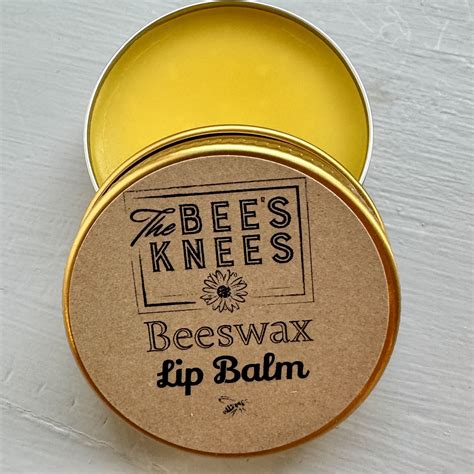
For chapped lips, a homemade beeswax lip balm is an excellent remedy. The process involves melting:
- 2 tablespoons of beeswax pellets
- 2 tablespoons of shea butter
- 2 tablespoons of coconut oil
These ingredients are melted together in a heatproof bowl over simmering water or in a double boiler. Once melted, essential oils can be added for fragrance. The mixture is then carefully poured into empty lip balm containers and allowed to cool and harden.
DIY Beeswax Lotion Bar
Beeswax lotion bars offer a convenient way to keep skin soft and hydrated. The recipe includes:
- 7 tablespoons of olive oil
- 4 tablespoons of yellow beeswax
- 7 tablespoons of shea butter
The olive oil and beeswax are microwaved in 30-second bursts until fully melted. Shea butter is then stirred in, followed by optional fragrance oils. The mixture is poured into silicone molds and allowed to harden for several hours or overnight. These bars should be stored in a cool, dry place.
I DUPED Burt's Bees! | DIY Peppermint Beeswax Lip Balm
Considerations for Using Beeswax
Allergies and Patch Testing
Before incorporating beeswax into your skincare routine, it is advisable to perform a patch test to check for potential allergies. This involves applying a small amount of beeswax to the inner wrist or elbow and leaving it for 24-48 hours. Adverse reactions may include skin swelling, redness, itchiness, rash, or a burning sensation. If any of these occur, discontinue use.
Removing Beeswax from Skin
Proper removal of beeswax from the skin is essential to allow it to breathe. As beeswax does not dissolve in water, an oil-based cleanser is often required for complete removal, especially from the face.
Beeswax in Soaps
Beeswax can significantly enhance the quality of soaps. Soaps made with beeswax act as an all-natural cleanser, containing Vitamin A which aids in anti-aging, acne prevention, and skin healing. They naturally moisturize by drawing in and sealing moisture, possess antiseptic and anti-bacterial properties, and are hypoallergenic, offering better protection for sensitive skin than chemical-laden soaps. Furthermore, beeswax contributes to a harder, longer-lasting soap with a richer lather.
The Role of Beeswax in Various Skin Conditions
Due to its antibacterial and anti-inflammatory properties, beeswax has a long history of use in managing various skin issues. It is often found in ointments and creams to soothe conditions like psoriasis, atopic dermatitis, boils, wounds, and diaper rash. A 2018 study indicated that natural products like beeswax were superior to synthetic ingredients in managing sensitive skin, minimizing irritation while providing soothing benefits. A 2020 review highlighted beeswax's ability to soften and lubricate skin, prevent water loss, provide antiseptic properties, form a protective barrier, and offer Vitamin A for skin regeneration.
Formulating with Beeswax: Concentration and Climate Considerations
The effectiveness of beeswax in skincare can be influenced by its concentration and the climate. In cold, dry climates, higher concentrations (8-12%) in balms, combined with ingredients like shea butter and avocado oil, provide intense hydration. Conversely, in humid, hot climates, lower concentrations (2-4%) in lightweight lotions with aloe vera and grapeseed oil prevent heaviness and clogged pores. For lip balms, 10-15% beeswax creates a smooth, protective layer, while body butters benefit from 5-8% for rich hydration. Salves typically use 8-12% beeswax, and lightweight face creams utilize 2-5%.
Choosing the Right Type of Beeswax
For skincare formulations, opt for food-grade, unrefined yellow beeswax for its natural scent and nutrients, or refined white beeswax for products where color is a concern, such as face creams. Beeswax melts at approximately 144-147°F (62-64°C), and it's recommended to use a double boiler at 145-160°F (60-70°C) to avoid scorching, which can diminish its scent and benefits.
Potential Drawbacks and Quality Considerations
While highly beneficial, beeswax can present challenges if not used correctly. Overuse can lead to a heavy skin feel, and at high concentrations (>10%), it may clog pores in oily or acne-prone skin due to its mildly comedogenic nature. Grainy texture can occur if cooled too quickly. Sourcing high-quality, pure beeswax is crucial to avoid impurities like propolis or pesticides. Its natural scent can also overpower fragrances in some formulations. To address potential oxidation, especially in warm climates, adding tocopherol (Vitamin E) and using UV-protective packaging is recommended. Cosmetic-grade beeswax must comply with relevant industry standards.