Your skin barrier is your body’s first line of defense against environmental damage, yet it’s one of the most misunderstood aspects of skincare. This protective layer, scientifically known as the stratum corneum, determines whether your skin looks healthy and radiant or struggles with persistent issues like dryness, sensitivity, and premature aging.
The Structure and Components of the Skin Barrier
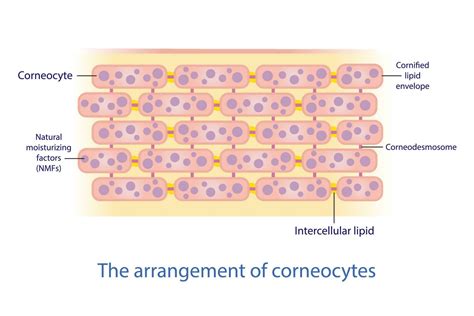
Your skin barrier functions like a sophisticated security system, consisting of skin cells (corneocytes) held together by lipids in a structure often compared to bricks and mortar. The lipid matrix components, acting as the "mortar" between your skin cells, contain three essential lipids that work together to maintain barrier integrity.
Lipid Matrix Components
- Ceramides make up approximately 50% of the barrier lipids and act as the primary moisture-sealing component.
- Cholesterol provides structural stability and helps maintain the barrier’s flexibility.
- Fatty acids are also crucial components of the lipid matrix.
Natural Moisturizing Factors (NMFs)
Within healthy skin cells, natural moisturizing factors (NMFs) attract and retain water. These include amino acids, lactic acid, urea, and other humectant compounds that keep your skin hydrated from within.
pH Balance and the Acid Mantle
A healthy skin barrier maintains a slightly acidic pH between 4.5-5.5, often called the “acid mantle.” This acidic environment supports beneficial bacteria while inhibiting harmful microorganisms. Enzymes in the stratum corneum, such as β-glucocerebrosidase and acid sphingomyelinase, function optimally in this acidic environment, playing a role in ceramide and free fatty acid production, which are vital for regulating diffusion through the epidermis.
Microbiome Integration
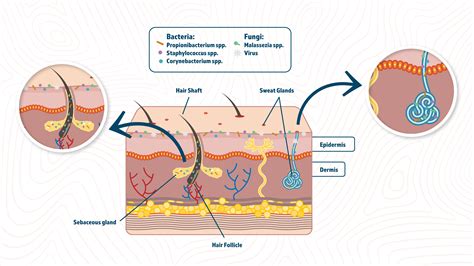
Your skin barrier works closely with the skin microbiome-the collection of beneficial bacteria, fungi, and other microorganisms that live on your skin. This intricate relationship is crucial for overall skin health and defense.
The Importance of a Healthy Skin Barrier
An intact barrier function of the skin is important in maintaining skin health. The skin barrier is your body’s largest organ and your first defense against the outside world. It controls the diffusion of molecules across the skin, managing transepidermal water loss (TEWL) from inside to outside and preventing the penetration of external chemicals.
The skin barrier is essential for your overall health, protecting your body from a barrage of threats, both external and internal. It prevents various harmful environmental toxins and pathogens from penetrating your skin and causing adverse effects inside your body. Additionally, without your skin barrier, the water inside your body would escape and evaporate.
Signs of a Healthy Skin Barrier
- Calm and hydrated appearance
- Resilience to environmental stressors
- Smooth texture and even tone
Recognizing and Understanding Damaged Skin Barrier
Recognizing the early signs of barrier damage allows for prompt intervention before problems become severe. When your skin barrier is compromised, it loses its ability to retain moisture effectively and protect against irritants.
Signs of a Damaged Skin Barrier
- Persistent Dryness and Flaking: Chronic dryness that doesn’t improve with regular moisturizer use indicates a compromised ability to retain moisture.
- Increased Sensitivity and Irritation: A damaged barrier allows irritants to penetrate more easily, leading to heightened sensitivity to products that previously caused no problems.
- Delayed Healing and Recovery: Barrier damage impairs your skin’s natural repair processes.
- Unexpected Breakouts: Paradoxically, a compromised barrier can lead to both dryness and breakouts.
- Environmental Reactions: Increased reactions to weather changes, air conditioning, heating, or pollution may occur.
Transepidermal Water Loss (TEWL) is a key indicator of barrier function. Variations in TEWL can signal problems in the skin barrier, as it directly reduces the skin’s ability to store moisture.
Factors That Damage the Skin Barrier
Understanding what damages your skin barrier helps you make informed decisions about your skincare routine and lifestyle choices. Numerous factors, both external and internal, can contribute to barrier disruption.
Environmental and Lifestyle Factors
- Over-Exfoliation Epidemic: The popularity of chemical exfoliants has led many people to use acids daily or combine multiple exfoliating products, stripping away natural oils.
- Harsh Cleansing Practices: Foaming cleansers containing sulfates, aggressive use of cleansing devices, or washing with hot water can disrupt the barrier’s delicate lipid structure.
- Environmental Stressors: Exposure to UV rays, pollution, and extreme climate conditions (high humidity or dry, cold air) can challenge the skin barrier.
- Stress and Lifestyle Factors: Chronic stress elevates cortisol levels, which can impair barrier function and slow repair processes. Lack of sleep also plays a role.
- Medication Side Effects: Common medications including retinoids, benzoyl peroxide, antibiotics, and even some blood pressure medications can affect barrier function.
- Genetics: Certain genetic predispositions can make individuals more prone to specific skin conditions associated with barrier impairment, such as atopic dermatitis and psoriasis.
Repairing and Protecting Your Skin Barrier
Effective barrier repair requires a scientifically-informed approach that addresses both immediate symptoms and underlying causes. The good news is that your skin barrier has a natural ability to recover with the right support.
Key Strategies for Barrier Repair
- Rest and Reset: First things first: give your skin a break. Simplify your skincare routine to allow the skin’s natural renewal cycle to take place, which typically takes about three to four weeks. Patience and consistency are key.
- Gentle Cleansing: Some cleansers that create a squeaky-clean feeling actually contain strong surfactants that can strip protective lipids. Opt for gentle, pH-balanced cleansing that removes impurities without compromising the barrier. Oil cleansing formulas are effective at gently lifting away daily impurities.
- Deep Hydration: Science shows that regular hydration helps strengthen your skin barrier and keep it healthy. Look for moisturizers containing ingredients that support barrier function.
- Protect Daily: When your barrier is compromised, your skin is even more vulnerable to sun damage and oxidative stress. Daily protection is crucial.
- Understanding Ingredients: Certain ingredients are particularly beneficial for barrier repair.
- Ceramides: These waxy lipids are crucial for barrier function. Look for products containing ceramide complexes that closely match your skin’s natural composition.
- Humectants: Ingredients like hyaluronic acid, glycerin, and urea draw water into the skin, helping to keep it hydrated.
- Occlusives: Products like petrolatum create a thin film on the skin that helps prevent moisture loss.
- Plant Oils: Certain plant oils, such as jojoba oil, coconut oil, almond oil, argan oil, borage oil, sunflower oil, and soybean oil, may help repair the skin barrier and have additional beneficial properties like antibacterial and anti-inflammatory effects. Always perform a patch test before widespread use.
- pH Awareness: Pay attention to the pH of your skincare products. Aim for formulations that support your skin’s natural acidic pH (around 4.0 to 5.8).
Damaged Skin Barrier? Here’s How to Repair It Fast, tips from a derm | Dr. Jenny Liu
Professional Interventions for Barrier Repair
For more significant or persistent barrier issues, professional assessment and treatment can be highly effective.
- Medical-Grade Barrier Repair Products: Professional-strength ceramide complexes can deliver lipids in ratios that closely match your skin’s natural composition.
- Professional Assessment and Monitoring: Dermatologists can use specialized tools to objectively assess barrier function, measuring factors like transepidermal water loss and skin hydration levels.
- Customized Treatment Protocols: Dermatologists can develop tailored treatment plans based on individual needs, skin type, and lifestyle factors.
- Medical Facials with Barrier Focus: Customized professional facials can deliver high-concentration barrier repair ingredients.
- LED Light Therapy: Specific wavelengths of LED light can stimulate cellular processes involved in barrier repair.
- Microneedling for Enhanced Delivery: Controlled micro-injuries can enhance the penetration of barrier repair ingredients while stimulating the skin’s natural healing processes.
- Chemical Peels with Barrier Support: Gentle chemical peels can remove damaged barrier components and improve ingredient penetration.
Prescription Interventions: Board-certified dermatologists can prescribe barrier-repairing medications that aren’t available over-the-counter.
The Interplay Between the Microbiome and Barrier Function
The relationship between your skin’s microbiome and barrier function is a rapidly evolving area in dermatology. Beneficial skin bacteria produce fatty acids and other compounds that support barrier function.
Prebiotic and Probiotic Integration
Advanced barrier repair treatments now incorporate prebiotic ingredients that feed beneficial bacteria and probiotic components that directly support microbial balance. Maintaining the skin’s natural acidic pH is essential for supporting both barrier function and beneficial bacteria.
Benefits of an Optimized Skin Barrier
When your skin barrier is functioning optimally, the benefits extend beyond just appearance. It leads to improved skin health, resilience, and overall quality.
- Enhanced Treatment Efficacy: When your barrier function is optimized, other skincare treatments work more effectively.
- Accelerated Anti-Aging Benefits: A healthy barrier is more resistant to environmental damage that contributes to premature aging.
- Reduced Sensitivity and Reactivity: Proper barrier function creates resilience against environmental stressors, seasonal changes, and product sensitivities.
- Improved Overall Skin Quality: Beyond addressing specific concerns, barrier repair enhances general skin quality, including texture, tone, radiance, and comfort.
- Cost-Effective Long-Term Care: While professional barrier repair requires an initial investment, it often reduces the need for multiple products and treatments to address various symptoms over time.
Your skin barrier is the foundation of healthy, resilient skin, and professional repair can transform not just how your skin looks, but how it functions for years to come.