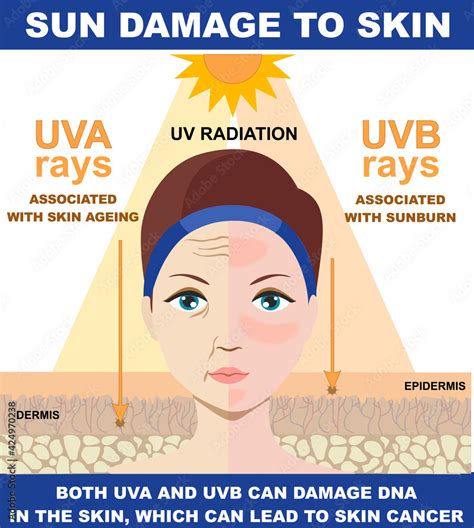
There is a general lack of awareness regarding the importance of daily protection from the sun's harmful rays, especially from a young age. Sun damage is cumulative, with a significant portion occurring before the age of 18. Therefore, it is critical to integrate sun protection into your overall health and wellness routine. Establishing good sun care practices in youth can lead to long-term benefits, not only in preventing skin cancer but also in mitigating premature aging. Furthermore, consistent reapplication of sunscreen, ideally every two hours, is key. Annual skin checks are also highly encouraged, as early detection can be life-saving.
Michelle Monaghan's Melanoma Diagnosis and Journey
Michelle Monaghan was diagnosed with malignant melanoma several years ago. Her husband, who is Australian and highly aware of skin cancer risks, discovered an irregular mole on her calf. He urged her to get it checked, a decision that ultimately proved crucial. The melanoma was caught at an early stage and successfully removed. This experience served as a wake-up call, prompting Monaghan to educate herself extensively about skin cancer. She now sees her dermatologist annually for a full body check and performs monthly self-checks to monitor for any skin changes or mole irregularities.
During a film shoot in Thailand, where the sun and heat were intensely strong, Monaghan prioritized sun protection. She began her day by applying SPF 50 sunscreen to her face and body. A variety of sunscreen formats, including creams, sprays, powders, and sticks, were used to facilitate easy reapplication. Even her makeup contained SPF, and she consistently wore hats, sunglasses, and linen shirts. The shooting conditions were extreme, with temperatures often exceeding 100ºF during a record-hot year.

Monaghan emphasizes the importance of sun protection for her children, who are part of an outdoorsy family that enjoys surfing and diving. The children are involved in choosing sunscreens they like, ensuring they are willing to wear and reapply them throughout the day.
The Dangers of Tanning Beds and Melanoma Statistics
Monaghan strongly advises against using tanning beds, recalling her own past use before prom as a significant mistake. Studies now indicate that using a tanning bed before the age of 35 increases the risk of melanoma by 75%. She firmly believes her own melanoma diagnosis can be traced back to that period.
Melanoma is the deadliest form of skin cancer, and its rates have more than doubled in the US over the last three decades. It is now one of the most commonly diagnosed cancers in the United States, and the most common among individuals aged 24 to 29.
Tanning beds triple melanoma risk and could cause broad DNA damage, study finds
Advancements in Melanoma Treatment
The prognosis for melanoma has significantly improved with advancements in treatment. Prior to 2011, the primary treatments for melanomas included surgery, chemotherapy, or radiation therapy. However, since 2011, innovative treatments have offered better outcomes and increased hope for melanoma patients.
Immunotherapy
Immunotherapy works by stimulating the body's own immune system to fight cancer, a distinct approach compared to treatments that directly target tumor cells.
Targeted Therapy
Targeted therapy focuses on specific parts of cancer cells that differ from normal cells. These drugs work by blocking the function of mutated molecules, thereby slowing the growth and spread of melanoma. For patients with advanced melanoma, physicians will test their tumors for these specific mutations.
The outlook for advanced melanoma patients has dramatically improved in recent years due to targeted therapies and immunotherapies. Approximately one-third of patients treated with the latest immunotherapies are alive at five years, a significant improvement compared to when surgery, radiation, and chemotherapy were the only options.
Monaghan's Advocacy and Personal Reflections
Following her diagnosis, Monaghan became a passionate advocate for skin cancer prevention. She stresses the ease and importance of incorporating sunscreen into a daily routine. Her husband, Peter White, played a pivotal role in encouraging her to seek medical attention, effectively saving her life.
Growing up in Winthrop, Iowa, Monaghan performed farm chores in various weather conditions, and sun protection was not a priority. She admits to rarely using sunscreen as a child, with the intention of getting a tan during summer breaks. This, combined with tanning salon visits before prom, contributed to her skin's sun-soaked childhood, which was not conducive to skin protection.
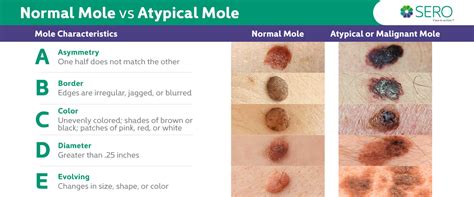
The cumulative sun damage led to changes in the shape of a mole on her leg. Initially, she was not overly concerned, but her Australian husband, well-educated about skin cancer due to Australia's high rates, insisted she have it examined. He was familiar with applying sunscreen regularly, protecting skin, and the ABCDEs of melanoma.
After about three months of her husband's persistence, Monaghan consulted a dermatologist. A biopsy of the suspicious mole confirmed melanoma. The diagnosis was a shock, and she didn't fully grasp its severity until her doctor emphasized its seriousness. Her physician performed excisional surgery, removing the tumor along with a surrounding margin of healthy skin to ensure no cancerous cells remained. She credits her husband's urging for enabling early detection.
Monaghan now has a noticeable scar but considers the outcome far better than the alternative. She sees a dermatologist twice a year and has several moles removed and checked annually as a precautionary measure. She has remained cancer-free since her diagnosis and is committed to daily sunscreen use and protective clothing.
Her experience has made her highly conscious of protecting her own skin and that of her family, especially her children. Monaghan wishes she had received more education about sun damage and skin cancer during her schooling and had access to sunscreen. She also reflects on an unhealthy perspective that correlated tanned skin with feeling more comfortable in one's own skin.
She is determined to prevent her children from repeating her mistakes, instilling a daily skin health routine within her family. Monaghan highlights that one in five people will develop skin cancer in their lifetime and that sunscreen application need not be a burden, as many modern sunscreens incorporate beneficial skincare ingredients.
Raising Awareness and Final Thoughts
More than a decade after her melanoma removal, Michelle Monaghan continues to share her experience to promote greater awareness of skin cancer and sun safety. She acknowledges that daily sunscreen use was not part of her routine before her diagnosis and hopes that by speaking openly, she can help reduce stigma and clarify misconceptions about sun protection.
Her husband's observation of an unusual mole on her lower calf was the catalyst for her diagnosis. Fortunately, it was detected early and surgically removed. Before this, Monaghan rarely used sunscreen, viewing it primarily as a post-sunburn application.
Her diagnosis motivated her to take sun safety more seriously, incorporating daily sunscreen, regular reapplication, and protective clothing like hats and UV-protective sunglasses into her routine. A significant realization for her was the prevalence of skin cancer and the widespread lack of awareness regarding everyday UV exposure. She also addresses the misconception that sunscreen adds extra steps to a skincare routine, noting that she uses broad-spectrum sunscreen on her face as the final step.
Monaghan's message is clear: sun protection should not be postponed until damage occurs. Her story serves as a vital reminder that skin cancer can affect anyone, regardless of age, gender, or skin tone.
Michelle Monaghan, who was diagnosed with melanoma several years ago and has since fully recovered, expresses her love for the sun but emphasizes the need for protection. She admits to being largely unaware of skin cancer before her diagnosis. Today, she is a vocal advocate for skin cancer prevention and has called on the US Food and Drug Administration (FDA) to enforce regulations against cancer-causing tanning beds.
Having grown up in Iowa, where she spent summers working in fields and often skipped sunscreen, Monaghan knew little about the dangers of the tanning beds she frequented. A mole on her left calf, initially small and largely ignored, became a focal point when her husband noticed its irregularity in 2007. The mole had become darker in places and had an uneven border.
Her husband, recognizing the potential danger, advised her that it might be skin cancer. Monaghan initially ignored his concerns for about a year. Upon consulting a dermatologist, a biopsy confirmed melanoma. She displays her melanoma scar as a testament to her survival, noting that her malignant mole was about the size of a pencil eraser.
Tanning beds triple melanoma risk and could cause broad DNA damage, study finds
What is Melanoma?
Melanoma is a type of skin cancer that originates from melanocytes, the cells responsible for skin pigmentation. While less common than other skin cancers, it is the deadliest form. The primary cause of melanoma is ultraviolet (UV) light exposure from the sun and tanning beds. Certain factors increase an individual's risk, including lighter natural skin color, skin that burns or freckles easily, blue or green eyes, blond or red hair, a large number or specific types of moles, a history of sunburns or tanning, a family history of skin cancer, a personal history of skin cancer, and older age.
Signs and Symptoms of Melanoma
The major symptoms of melanoma include the appearance of a new mole or changes in an existing mole. Specific warning signs involve moles with uneven shapes or edges, a mix of colors within a mole, large moles, and moles that change in appearance over time. Most skin cancers are attributed to increased exposure to UV rays from the sun, tanning beds, and sun lamps.