In this article, learn about various ways to help reduce the appearance of acne scars and promote healthy skin. Suitable treatment options may vary slightly depending on the type of scarring that acne has caused.
Understanding Acne Scars
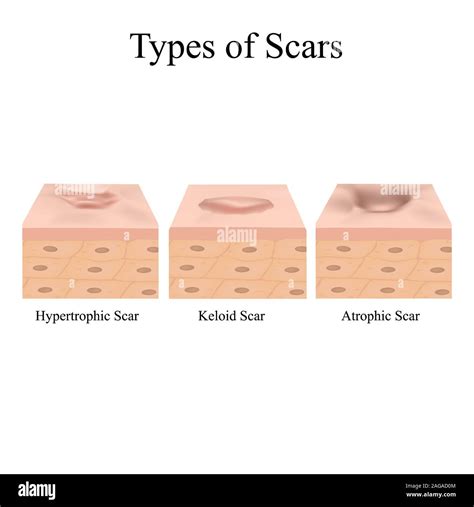
There are three main types of acne scars:
Atrophic Scars
These scars appear as small indentations in the skin. They develop when there’s a loss of skin tissue.
- Icepick scars are small scars that look like pinpricks.
- Boxcar scars are larger indentations with clear edges.
- Rolling scars have unclear edges and give the skin a rolling or undulating appearance.
They occur when the skin does not make enough fibroblasts in healing. Fibroblasts are cells that play a crucial role in wound healing and collagen production.
Hypertrophic Scars
Hypertrophic scars occur when the skin makes too many fibroblasts as the acne spot heals, causing a raised scar. These scars are often thicker than the original acne area.
Keloid Scars
Keloid scars are similar to hypertrophic scars but tend to be thicker than the original acne spot. There may be hyperpigmentation, making them darker than the surrounding skin. They may be red or brown. There may also be itching or pain. These often cause the affected scarred area of skin to darken, which increases their appearance in relation to the surrounding skin.
Hyperpigmentation and Dark Spots are not truly scars but are dark marks or patches left behind after a pimple clears, common in medium to dark skin tones.
Over-the-Counter Remedies for Acne Scars
Various over-the-counter remedies can help reduce the appearance of acne scars. Products containing the following ingredients may be useful. However, over-the-counter creams and lotions are unlikely to remove or flatten a raised scar fully.
Salicylic Acid
Salicylic acid is a naturally occurring compound used in acne skin care products. Salicylic acid peels help clear dirt, skin cells, and other debris that leads to acne from the skin’s pores. An older 2010 review suggests using a peeling product containing 30% salicylic acid and applying it three to five times every 3-4 weeks. The authors also note that it is unlikely to cause hyperpigmentation and is, therefore, suitable for use on darker skin. It also helps reduce swelling and discoloration in the area, which may minimize the appearance of scarring. Salicylic acid can help treat all scar types. However, people with sensitive skin should do a patch test on a small area of skin before using it on their entire face, as it may cause dryness or irritation.
Retinoids
Some topical retinoids may help get rid of acne scars. As the authors of a 2017 review note, topical retinoids block inflammation, reduce acne lesions, and speed up cell regeneration. The authors also state that retinoids could help lighten hyperpigmented acne scars, including those in people with darker skin tones. It is important to note that retinoids can make the skin sensitive to the sun. Anyone using retinoids for acne or scar treatment should wear sunscreen outdoors.
Alpha Hydroxy Acids (AHAs)
Alpha hydroxy acids (AHAs) can help increase the rate at which skin renews its cells. Some doctors recommend AHAs for treating acne and reducing the appearance of acne scars. AHAs are a mild form of acid that scrapes away the outer layer of skin to reveal fresh, new skin underneath. This process may help reduce hyperpigmentation due to scarring. However, swelling, burning, and itching may occur at high concentrations. It is best to speak with a doctor before trying AHAs. They can help identify the best strength to use.
Lactic Acid
Lactic acid is a type of AHA. It can act as a gentle peel to pull away dead skin cells. It may help reduce the appearance of scars and smooth the skin. One review recalls a small study in which seven people with icepick scars had treatment with a product that was 92% lactic acid. There was an improvement of over 75% in one person, 51-75% in three people, 26-50% in two people, and 1-25% in one person. Lactic acid may also help lighten dark scar tissue, although it can cause hyperpigmentation. Before using products containing lactic acid to treat acne scarring, testing them on a small skin patch is best. Many products for acne contain lactic acid. It is also present in diluted apple cider vinegar, which makes for a more natural, cost-effective treatment.
Medical Treatments for Acne Scars
Some medical treatments may help reduce acne scars. A dermatologist can recommend a suitable procedure or combination of therapies depending on a person’s skin type and the extent of the scarring.
Chemical Peels
A dermatologist can recommend a peel suitable for a person’s skin type, acne severity, and scarring. The authors of a 2017 review on treatments for acne scarring note a study that found that six of 10 participants using a specific type of chemical peel called trichloroacetic acid (TCA) had at least a 70% improvement in their acne scarring. Other chemical peels may be less effective. For instance, 25% of those who used glycolic acid did not see any reduction in the appearance of scars. People may need to try different peels to determine which works for them.
Injections
Injections of corticosteroids may help soften and flatten raised acne scar tissue if a person has hypertrophic or keloid scars. The treatment typically consists of a series of injections. A dermatologist can administer these injections in their office once every few weeks and monitor the results.
Dermal Fillers
Sometimes, dermatologists may recommend soft tissue fillers to treat atrophic acne scars. They may be particularly helpful for rolling and boxcar scars. Examples include:
- Collagen-based products
- Polymethylmethacrylate
- Hyaluronic acid
- Polyacrylamide
- Poly-L-lactic acid
- Silicon
Depending on the filler, a person may need to repeat the treatment after some months. Hyaluronic fillers, for example, last around 3 months, but silicon and polyacrylamide may never need replacing. Fillers can have adverse effects, but these will depend on the filler. Always discuss the pros and cons with a doctor before opting for treatment.
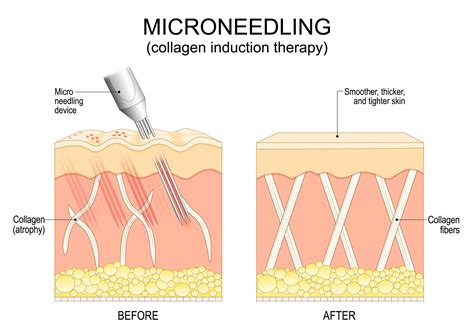
Microneedling
Microneedling is inserting tiny needles into the skin surrounding the scar to stimulate the body to make more collagen. This collagen may reduce the appearance of atrophic acne scars by smoothing out the skin. In a 2017 review, microneedling improved 31-62% in the appearance of atrophic or indented acne scars. A 2019 study found that microneedling combined with collagen gel was significantly more effective than microneedling alone. However, microneedling can cause side effects. Many people experience redness, pain, and inflammation after the treatment. However, these effects subside over time.
Laser Treatment
Laser treatment resurfaces the skin without the use of chemicals or scrubs. It removes the uppermost layer of skin to reveal the younger skin cells underneath, which can help reduce the appearance of scarring. It can help reduce the appearance and texture of raised scars. Treatment with a pulsed dye laser can also help reduce the color of hyperpigmented scars. According to the American Academy of Dermatology, intense pulsed light treatment may be a better option for people with pale skin. Laser treatment is not suitable for everyone. This will depend on the type of acne scarring and the person’s skin type. The treatment may also cause a reaction in some people, especially those with sensitive skin.
Surgery
If other treatments do not help, surgery can remove raised acne scars. However, surgery alone may not solve the problem, and a doctor may recommend further treatment.
Electrodesiccation
Used alongside other treatments, this may help reduce the edges of boxcar acne scars, making the skin appear flatter and less indented. A doctor will use electric probes to heat the skin and kill the tissues that cause the edges around the scars.
Natural Remedies for Acne Scars
Many people use natural remedies to help clear up acne scars. However, the science behind them is unclear. Some may cause further irritation or other problems, so people should use them cautiously.
Traditional Home Remedies
Home remedies that people have traditionally used to treat acne scars include:
- Black seed oil (Nigella sativa), which may help even out skin pigmentation and has anti-inflammatory properties. Studies have found it to be able to speed up as well as improve wound healing.
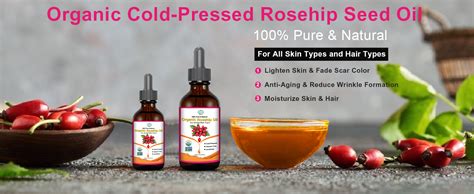
- Rosehip oil, which helps reduce discoloration in post-surgical scars and pigmentation. One study indicated it could be useful in reducing acne scars.
- Honey, which may help wound healing and reduce future scarring. Research indicates that it can speed wound healing, reducing the potential for scarring due to its antibacterial properties.
- Aloe vera, which, combined with manuka honey, may promote scar-free healing of wounds. It works to aid the healing process by reducing inflammation and scar tissue size.
- Apple Cider Vinegar, which can act as a gentle skin resurfacing agent, helping to remove dead skin cells. Diluted apple cider vinegar may help reduce the appearance of acne scars. However, make sure the solution is diluted well. Concentrated apple cider vinegar can cause severe burns and further harm the face.
- Turmeric Powder, which has anti-inflammatory properties and can be great for reducing bacterial growth. It also helps skin regeneration and reduces scarring.
- Coconut oil, which studies have reported moisturizes your skin and prevents acne scars. Keep in mind that if you have extremely oily skin, you should avoid this option as it may worsen the situation. Use cold-pressed coconut oil for this condition.
- Tea tree oil, which possesses antimicrobial and anti-inflammatory properties. Spot application of oil on the face may help clear bumps and even reduce scarring.
- Lemon Juice, which contains natural exfoliating acids that can stimulate cell renewal. While raw lemon juice is not recommended directly on the skin, it can be added to a homemade face mask. Lemon Juice is rich in sugars, vitamin C and citric acid, although it may irritate sensitive skin.
- Manuka Honey, which has great anti-inflammatory and antibacterial properties. For dark marks and pigmented skin, apply apple cider vinegar to the scar, and apply the honey straight afterwards to help soothe the area.
Acupuncture
Acupuncture can be a very effective treatment for scarring as it increases circulation to the area, helping to reduce inflammation as well as stimulating collagen production. This encourages better tissue regeneration, helping to diminish the appearance of acne scarring.
While some people may have success by using one or more of these natural treatments, they will likely not be effective in cases of stubborn or severe scarring. "Natural" doesn’t always mean better for your skin. Scars may naturally fade slightly over time, but they will likely not disappear completely without treatment.
Preventing Acne Scars
Preventing acne scars requires a combination of good skincare habits, a healthy lifestyle, and avoiding certain behaviors that can exacerbate acne.
- Don’t pick or squeeze acne: Resist the temptation to pick or squeeze acne, as this can lead to further inflammation, scarring, and prolonged healing time.
- Use gentle skincare products: Choose gentle, non-comedogenic skincare products that won’t clog pores or irritate the skin.
- Keep your hands away from your face: Avoid touching your face, especially your acne-prone areas, to prevent transferring bacteria and oils from your hands to your face.
- Wear sunscreen: Use a broad-spectrum sunscreen with at least SPF 30 daily to prevent UV damage, which can exacerbate acne scarring.
- Eat a balanced diet: Focus on whole, nutrient-rich foods, and avoid processed and high-sugar foods that can trigger inflammation and acne.
- Stay hydrated: Drink plenty of water to flush out toxins and keep your skin hydrated and plump.
- Manage stress: High stress levels can trigger hormonal imbalances, which can lead to acne.
It is not always possible to prevent acne or scarring, but people with acne can take measures to reduce the risk. These include seeking treatment while acne is present and avoiding picking, popping, or touching acne, which may lead to infections and a higher chance of scarring.
Professional Consultation
If you need help treating acne scars, you may benefit by seeking professional assistance. Different types of acne scars form due to various reasons, including the depth of acne, the body’s collagen response, and even genetics. A dermatologist can help decide on a suitable option, depending on the person’s skin type and the extent and type of scarring.
Treatment can often help remove scars, but scars tend to fade with time. The effectiveness of the treatment will depend partly on the type and extent of scarring and the person’s skin type. Treatment can be costly and time-consuming, and it is worth thinking carefully and talking with a dermatologist about what to expect.