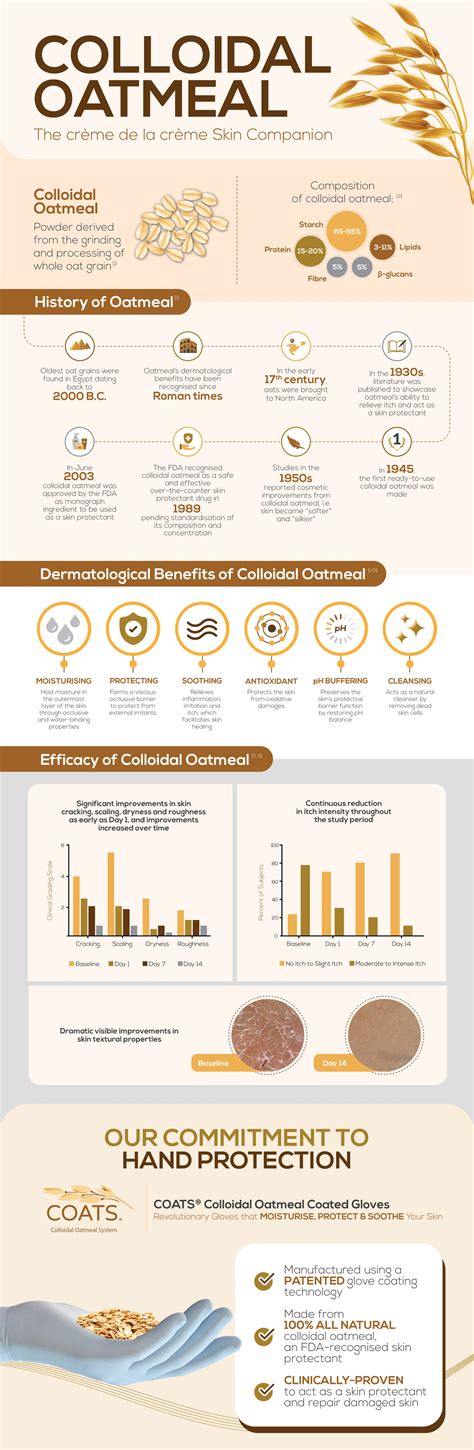
Oatmeal has been recognized for its skin-soothing and anti-inflammatory properties for centuries, with its use in skincare dating back to ancient Egyptian times. Colloidal oatmeal, a finely ground form of oats, is particularly effective for a variety of skin concerns, including eczema. It acts as a skin protectant, moisturizer, cleanser, and itch-reliever.
What is Colloidal Oatmeal?
Colloidal oatmeal is made from finely ground whole oats that have been processed to preserve their natural fats, proteins, and antioxidants. This fine grinding allows the oats to disperse evenly in water, creating a milky solution that can be applied topically.
The Food and Drug Administration (FDA) has approved colloidal oatmeal as a safe and effective over-the-counter treatment for skin irritation. By 2003, the FDA recognized its ability to relieve itching and provide temporary protection for compromised skin.
Colloidal oatmeal's complex chemical makeup includes proteins, lipids, polysaccharides, flavonoids, vitamins, and minerals. It contains compounds like phenols, which offer antioxidant and anti-inflammatory benefits, and beta-glucans, a natural complex sugar that helps the skin retain moisture.
Benefits of Colloidal Oatmeal for Skin
Colloidal oatmeal offers a wide range of skin benefits, making it a valuable ingredient for skincare, especially for irritated and dry conditions like eczema.
Anti-inflammatory Properties
Colloidal oatmeal contains components that help reduce inflammation by calming cytokines, which are inflammatory proteins in the body that can cause skin itchiness and redness.
Antioxidant Properties
It contains vitamin E, an antioxidant that helps prevent harmful cell damage, potentially reducing signs of aging in the skin.
Moisturizes the Skin
The starches and beta-glucans in colloidal oatmeal help the skin retain moisture. For many dry skin conditions, a moisturizer with colloidal oatmeal may be more effective than a plain moisturizer alone.
Supports a Healthy Skin Barrier
Colloidal oatmeal acts as a prebiotic, supporting the skin microbiome-the collection of microscopic organisms on the skin's surface. A healthy skin microbiome provides a protective barrier against unhealthy microbes that can cause irritation and inflammation.
Reduces Staphylococcus (Staph) Growth
Research indicates that colloidal oatmeal can help manage eczema by reducing the growth of Staphylococcus (staph) bacteria on eczema-prone skin. Staph is a common bacterium that can contribute to eczema flare-ups.
Skin Conditions Colloidal Oatmeal Can Soothe
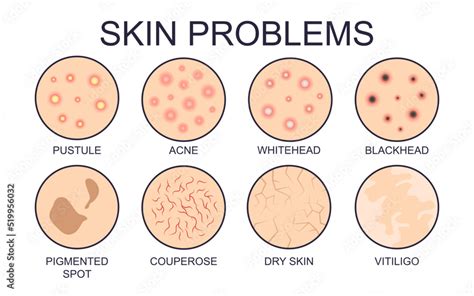
Colloidal oatmeal is a helpful, safe, and soothing ingredient for various conditions that cause skin irritation. It is particularly beneficial for chronic conditions such as eczema and psoriasis.
Beyond chronic conditions, it is also an effective treatment for mild skin irritation, including:
- Sunburn
- Bug bites
- Hives
- Diaper rash
- Contact dermatitis
- Dry, itchy skin
How to Use Oatmeal Paste for Eczema
Making an oatmeal paste at home is a simple and effective way to target specific patches of irritated skin. It is best suited for localized dry, irritated skin, such as from poison ivy or itchy insect bites.
DIY Oatmeal Paste Method
To create your own colloidal oatmeal paste:
- Prepare the oats: Blend about half a cup of uncooked oats (rolled oats or colloidal oatmeal powder) in a blender or food processor until they form a very fine powder. If you have gluten sensitivity, ensure you use oats labeled as gluten-free.
- Boil the oats (optional but recommended for DIY): Place the oat powder in a small saucepan with one cup of water and bring to a boil. Boil for a few minutes to extract the beneficial starches.
- Cool the mixture: Allow the boiled oatmeal to cool to room temperature.
- Form the paste: Mix the cooled oatmeal with just enough water to form a thick paste. Alternatively, if using store-bought colloidal oatmeal powder, mix it with enough water to create a paste.
- Apply the paste: Gently apply the paste to the affected areas of your skin.
- Leave it on: Let the paste sit on your skin for 10 to 15 minutes.
- Rinse off: Gently rinse the paste off with lukewarm water and pat your skin dry with a soft towel. Avoid rubbing.
While homemade colloidal oatmeal is an inexpensive remedy, it can be messy. For an easier cleanup, store-bought colloidal oatmeal products are recommended.

Other Ways to Use Colloidal Oatmeal
Beyond a paste, colloidal oatmeal can be used in several other ways to benefit the skin:
Oatmeal Bath
This method is ideal for widespread skin irritation, such as a general eczema flare-up or overall itching.
- Fill a bathtub with lukewarm water.
- Add about 1 cup of colloidal oatmeal product (either homemade or store-bought) under the running water.
- Mix to help dissolve the oatmeal into the water.
- Soak for 10 to 15 minutes.
To prevent drain clogging, you can place the oats in a mesh bag or thin sock tied at the open end before adding to the bathwater.
Oatmeal Shower Method
If a full bath is not feasible, an oatmeal shower can still provide relief:
- Prepare an oatmeal bag by filling a fine mesh bag (like a muslin cloth or pantyhose) with about 1 cup of colloidal oats. Securely knot the top.
- Take a quick lukewarm shower using a gentle, fragrance-free cleanser.
- Hang the oatmeal-filled bag under the showerhead so water passes through it.
- As you shower, lightly squeeze the bag to release the milky oatmeal liquid into the shower water.
- Gently cleanse your body with the milky water, paying attention to irritated areas. Avoid scrubbing.
- Allow the oatmeal-infused water to flow over your body for several minutes. You can turn off the water for a few minutes to let the oatmeal sit on your skin. Keep it on for 10 to 15 minutes if possible.
- Rinse off any residue with lukewarm water and ensure the drain is clear.
Alternatively, you can make an oatmeal paste before showering, apply it to wet skin, let it sit, and then carefully scoop it off before rinsing.
How I Use Oatmeal For Eczema Flareup Relief!
Oat Water Applications
The water from an oatmeal bath or shower can also be utilized:
- Toner: Apply homemade or store-bought oat water directly to affected skin like a toner; no rinsing is needed.
- Frozen Cubes: Freeze oat water in an ice cube tray. Use these "oat ice cubes" to treat bug bites, poison ivy, or any itchy skin. Freeze wet facecloths soaked in oat water for a cold compress to soothe itch or reduce puffiness under the eyes.
Aftercare and Precautions
After using an oatmeal paste, bath, or shower, it is crucial to follow up with proper skincare.
Moisturize Immediately
Gently pat your skin dry with a soft towel after rinsing. Immediately apply a generous amount of a fragrance-free, hypoallergenic moisturizer to lock in hydration. Moisturizing within three minutes of showering is ideal.
Malassezia Safe Oil Cleanser
If using a Malassezia safe oil cleanser, use it once or twice daily to gently cleanse the affected area. Avoid applying other products until the skin barrier has fully recovered.
When to Consult a Healthcare Provider
If symptoms continue for more than a few days, consult a healthcare provider. Seek immediate medical attention if you experience any of the following severe reactions:
- Swelling of the lips, tongue, or throat
- Difficulty breathing
- Light-headedness or dizziness
Potential Side Effects and Allergies
Colloidal oatmeal is generally well-tolerated and rarely causes side effects. However, avoid it if you have an oat allergy. For individuals with very sensitive, allergy-prone skin, it is recommended to perform a spot test by applying a small amount of the product to an inconspicuous area of skin and waiting 24 to 48 hours to check for redness or itchiness.
Studies have shown a low chance of adverse reactions, and a series of studies on personal care products containing oatmeal reported no allergies among consumers. If a rash occurs, discontinue use.
Colloidal oatmeal is safe for babies and young children and can be used as a gentle cleansing alternative for very sensitive baby skin.