A sore throat, also known as pharyngitis, can be an unpleasant experience, often caused by allergies, viruses, or bacterial infections. Fortunately, several home remedies can help alleviate the pain and discomfort associated with a sore throat. This guide explores the benefits of using both warm and cold liquids, along with other effective strategies for soothing a sore throat.
Understanding Sore Throat Symptoms
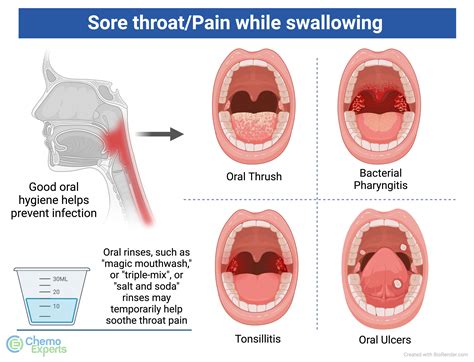
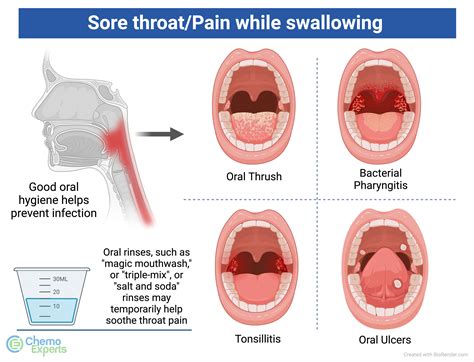
Sore throats can manifest with symptoms like itching, scratching, and burning. These may be accompanied by fatigue, fever, coughing, a stuffy nose, and postnasal drip. Most sore throats are caused by viral infections, such as the common cold or flu, and tend to be minor and resolve on their own. However, bacterial infections like strep throat can also cause sore throats and may require medical attention.
Throat pain can range from mild to severe, with some experiencing pain only when swallowing, while others have constant irritation. Inflammation of the throat tissues leads to swelling and sensitivity, making swallowing difficult and often increasing mucus production.
A sore throat often feels worse in the morning because the throat can become dry overnight. Staying hydrated and using lozenges or hard candies can help stimulate saliva production and alleviate this dryness.
The Role of Temperature in Sore Throat Relief
Benefits of Cold Water and Cold Liquids
Cold liquids and frozen treats can provide temporary relief by numbing the throat and reducing inflammation. The cold temperature can make nerve endings in the throat send fewer pain signals to the brain, effectively numbing the throat tissues.
Cold temperatures also cause blood vessels to constrict, which can reduce swelling in the throat. Research suggests that cold stimulation can activate pain relief receptors in the body, potentially offering longer-lasting pain relief.
Staying hydrated is crucial for recovery, and cold water, like any fluid, helps maintain hydration. Adequate hydration supports the body's natural healing processes and keeps the throat moist.
Examples of effective cold remedies include:
- Ice water: Simple and effective for quick, temporary relief by numbing pain and reducing swelling.
- Ice chips: Similar to ice water, providing numbing relief.
- Popsicles: Particularly beneficial for children, offering cold relief and temporary numbing. Opt for those made with pureed fruit or fruit juice.
- Frozen treats: Such as sorbet or ice cream, can also provide soothing relief.
Benefits of Warm Water and Warm Liquids
Warm liquids have long been a trusted remedy for sore throats. They help loosen mucus, clear the throat, and soothe irritation. The warmth can relax throat muscles, making swallowing easier.
Warm temperatures may also reduce coughing by soothing the back of the throat. Warm liquids are particularly beneficial when experiencing congestion or thick mucus, as they help thin the mucus, making it easier to expel.
Some studies suggest that warm liquids offer longer-lasting relief by improving blood flow. Additionally, the sensory experience of drinking something warm and pleasant can trigger the brain to produce endorphins, which reduce pain sensation and improve mood. Tea, in particular, contains tannins that have anti-inflammatory and astringent effects.
Examples of effective warm remedies include:
- Warm tea: Herbal teas like chamomile or peppermint can be soothing and may contain antioxidants that fight infection.
- Hot water with lemon juice: Can help soothe the throat and increase saliva production.
- Chicken broth or vegetable broth: Provide hydration, warmth, and can help open congested nasal passages. They also offer antioxidants and may have antibacterial and antiviral properties.
- Warm water with honey: Honey coats the throat, soothes irritation, and possesses antibacterial properties.

Other Effective Home Remedies
Honey
Honey is a potent remedy that coats the throat, easing irritation. Its sweetness can calm nerve endings and reduce coughing. Honey also has antibacterial properties. It can be consumed in hot tea, warm water with lemon, or directly by the spoonful. However, honey should never be given to children under 1 year old due to the risk of infant botulism.
Salt Water or Baking Soda Gargle
Gargling with warm salt water or baking soda solution can be highly beneficial. Dissolve 1/2 teaspoon of salt or baking soda in a glass of warm water. Gargling this mixture every few hours can help reduce swelling and soreness. Salt water aids in reducing swelling, while baking soda soothes the throat and may help break up mucus.
Steam and Humidity
Inhaling steam can help loosen mucus and moisturize a sore throat. Taking a hot shower or using a humidifier can provide relief, especially if mouth breathing is contributing to throat dryness.
Over-the-Counter (OTC) Medications
OTC pain relievers like acetaminophen can help manage throat pain, while ibuprofen can reduce both inflammation and pain. Antihistamines may also be helpful in reducing congestion and post-nasal drip, which can aggravate a sore throat.
OTC throat care products, such as lozenges and throat sprays, can keep the throat moist and may provide a slight numbing effect. Medicated lozenges often contain menthol for temporary pain relief. However, these should be used as directed, as some medicated products have usage limits.
Rest
Adequate rest is crucial for the body to fight off infection. Resting your body and voice can significantly impact recovery. However, lying flat may worsen swelling and congestion for some; elevating the head with extra pillows can help improve breathing and drainage.
What to Avoid for Sore Throat Relief
While many remedies can help, some should be avoided as they can worsen symptoms:
- Apple cider vinegar: Despite potential antibacterial properties, it's unlikely to significantly help a sore throat.
- Essential oils: Should be kept out of the mouth as their safety and effectiveness for sore throats are not well-studied.
- Aspirin: Not the best choice for sore throats, especially for children and teenagers due to the risk of Reye's syndrome.
- Smoking: Introduces irritants that can increase mucus production and slow healing.
- Spicy food: Can worsen burning and pain and increase mucus production.
- Acidic food and drinks: Such as soda, tomato sauce, and coffee, can irritate the throat and potentially worsen heartburn.
- Hard or crunchy foods: Can cause additional irritation and be difficult to swallow.
- Caffeine and alcohol: Can lead to dehydration and dry out the throat.
- Very hot beverages: Can burn sensitive throat tissues and worsen symptoms.
Salt Water Gargle for Sore Throat: Fact or Fiction
When to Seek Medical Attention
While home remedies are effective for minor sore throats, it's important to consult a healthcare provider if symptoms are severe or persistent. Seek medical attention if you experience:
- Severe throat pain that does not improve or radiates to the ear.
- Nausea, vomiting, or abdominal pain.
- Difficulty swallowing, breathing, or opening your mouth.
- Coughing up blood or blood in saliva.
- Enlarged lymph nodes or lumps in the neck.
- White patches on the back of the throat or a rash (possible signs of strep throat or scarlet fever).
- A high fever.
- Loss of voice for more than one to two weeks.
A healthcare professional can diagnose the cause of your sore throat, whether it's a viral infection, bacterial infection, or other irritant, and recommend the appropriate treatment. For bacterial infections like strep throat, antibiotics may be prescribed. It is crucial to complete the full course of antibiotics as directed by your doctor.