A healthy scalp is the foundation for healthy hair. Addressing a dry scalp involves a multi-faceted approach focused on hydration, nourishment, and gentle care to soothe irritation and eliminate flakes. By restoring moisture and promoting a balanced scalp environment, you can achieve your hair's healthiest potential. This guide will explore effective solutions for dry scalp and hair fall, including product recommendations and expert advice.
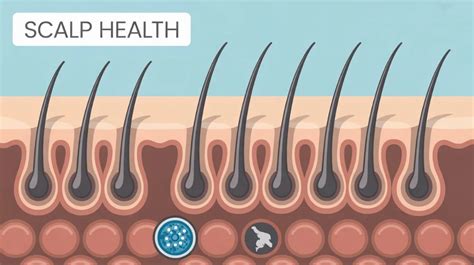
Understanding Dry Scalp and Its Causes
Dry scalp occurs when your scalp lacks moisture. This can be caused by various factors, including:
- Environmental conditions (cold weather, low humidity, excessive indoor heating)
- Over-washing or using harsh shampoos
- Product buildup
- Underlying skin conditions like psoriasis or eczema
- Age
These factors can lead to irritation, itchiness, and flaking, creating an unfavorable environment for hair growth.
Hydrating Your Scalp Effectively
Hydrating your scalp goes beyond simply moisturizing your hair. It requires targeted care:
- Choose the right products: Opt for shampoos and conditioners specifically formulated for dry scalps. Look for ingredients like hyaluronic acid, aloe vera, and glycerin, which are known for their moisturizing properties.
- Incorporate leave-in treatments: Regularly apply a leave-in conditioner or scalp serum to maintain hydration throughout the day.
- Scalp massages: Incorporate a weekly scalp massage using natural oils such as jojoba or coconut oil. This enhances blood circulation and boosts moisture absorption.
- Avoid harsh treatments: Minimize the use of excessive heat styling and harsh chemical treatments, as these can further dehydrate your scalp.
Addressing Scalp Buildup
Scalp buildup, often caused by product residue, excess sebum, and dead skin cells, can exacerbate dryness and itchiness. To combat this:
- Clarifying shampoos: Use a clarifying shampoo once or twice a month to thoroughly cleanse the scalp and remove accumulated debris.
- Apple cider vinegar: Products containing apple cider vinegar can help balance the scalp's pH levels and effectively remove buildup.
- Scalp scrubs: For a more intensive treatment, consider using a scalp scrub that contains physical exfoliants or chemical exfoliants like AHAs or BHAs.
Shampoos for Hair Loss: What to Look For
When experiencing hair thinning, it's crucial to select shampoos that not only cleanse but also stimulate hair growth and address the underlying causes of hair loss. Some shampoos contain ingredients that promote hair growth, while others harness the power of natural remedies. However, it's important to be aware of potentially harmful substances that can aggravate hair shedding or irritate the scalp.
Effective Ingredients in Hair Loss Shampoos
Based on expert opinions from dermatologists and trichologists, here are some of the best types of shampoos for hair loss:
1. Ketoconazole Shampoo
Ketoconazole (KCZ) is highly effective in reducing dandruff and seborrheic dermatitis. It also possesses anti-inflammatory properties that can help reduce hair follicle miniaturization, thus promoting hair growth. Research indicates that topical ketoconazole can reduce hair shedding associated with various types of hair loss, including pattern baldness. Studies have shown it to be as effective as Minoxidil in improving hair density and the proportion of anagen follicles.
2. Piroctone Olamine Shampoo
While commonly used to combat dandruff, piroctone olamine has also demonstrated the ability to reduce hair shedding due to its antioxidant properties. Studies have shown that shampoos containing 1% piroctone olamine can decrease hair shedding and increase hair shaft thickness.
3. Stemoxydine Shampoo
Stemoxydine is a molecule that mimics the effects of low oxygen environments, which can stimulate hair follicle stem cells and promote hair growth.
4. Caffeine Shampoo
Caffeine can stimulate hair growth and may be even more effective when combined with ingredients like zinc and niacin, often found in phyto-caffeine formulas. Research on women with female pattern baldness has shown significant improvements in hair pull tests after regular use of phyto-caffeine shampoo.
5. Rosemary Oil Shampoo
Rosemary oil is considered one of the best essential oils for hair growth. Studies suggest it can be as effective as Minoxidil in increasing hair count. It is also believed to be effective in reducing dandruff and hair greasiness.
6. Black Seed Oil Shampoo
Known for its antimicrobial, antioxidant, and hair growth-promoting qualities, black seed oil helps prevent hair loss by reducing inflammation and oxidative stress, and contributes to regulating the hair cycle.
7. Tea Tree Oil Shampoo
Tea tree oil is an effective natural treatment for dandruff and head parasites. Studies have shown significant improvement in dandruff symptoms with daily use of tea tree oil shampoo. While its direct effect on hair loss is less clear, it can improve scalp health.
8. Aloe Vera Shampoo
Renowned for its soothing properties, aloe vera helps calm itchiness and irritation, removes greasiness, strengthens hair strands, and contributes to hair growth. Aloe vera shampoo has been described as moderately effective for hair loss.
9. Anti-Aging Shampoo
These shampoos often contain a blend of protective substances like antioxidants, UV absorbers, and conditioning agents. They may include saccharomyces to combat oxidative stress and amino acids to strengthen hair and facilitate growth.
10. Adenosine Shampoo
Adenosine, a naturally occurring molecule, has been shown to promote hair growth, increasing hair density and thickness with regular topical application. Shampoos containing both caffeine and adenosine have demonstrated effectiveness in promoting hair growth.
Best Shampoo for Hair Growth, The 3 Ingredients I Look For
What to Avoid in Shampoos for Hair Loss
While many shampoos are safe, some ingredients can potentially worsen hair loss or scalp irritation:
- Sulfates: These powerful detergents can be harsh, stripping the scalp of natural oils and leaving hair dry and brittle.
- Parabens: While they can help with fungal scalp problems, parabens have been linked to hormonal imbalances and may damage the scalp and hair follicles.
- Formaldehyde: This preservative is toxic and can lead to serious health issues. It can also reduce hair's resistance to breakage and moisture retention.
- DMDM Hydantoin: This preservative can release small amounts of formaldehyde.
- Harmful Alcohols: While fatty alcohols can be beneficial, other types of alcohol can dry out the hair, especially without balancing hydrating ingredients.
- Selenium Sulfide: Although it relieves dandruff, repeated use has been linked to hair loss in some studies.
- Dimethicone: This silicone can build up on the hair, making it difficult to wash out and potentially weighing it down.
- Phthalates: These compounds used in fragrances have been linked to various health problems and may contribute to hair loss.
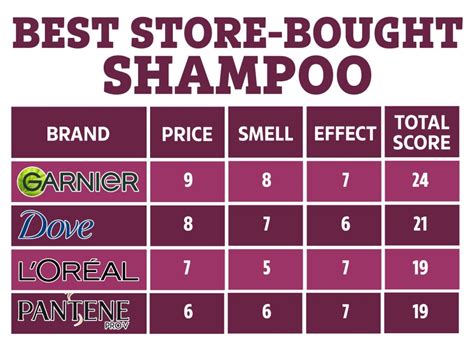
Recommended Shampoos for Dry Scalp and Hair Fall
Finding the right shampoo for a dry, itchy scalp that also addresses hair fall can be challenging. Here are some expert-recommended options:
Best Overall: Jupiter Balancing Shampoo
This intensely conditioning shampoo combines antifungal (pyrithione zinc), moisturizing (coconut oil), exfoliating (glycolic acid), and conditioning (squalane) ingredients. It is free from harsh additives like parabens and synthetic fragrances, making it a gentle yet effective choice for calming dry, itchy scalps.
- Key ingredients: Zinc pyrithione, coconut oil, decylene glycol, algae extract
- Fragrance-free: No
Best for Dandruff: CeraVe Anti-Dandruff Hydrating Shampoo
Containing 1% pyrithione zinc, ceramides, niacinamide, and hyaluronic acid, this shampoo balances the scalp, reduces itching, flaking, and inflammation, while maintaining hydration. It is fragrance-free and suitable for sensitive skin.
- Key ingredients: Pyrithione zinc
- Fragrance-free: Yes
Best for Flaky Scalp: Nizoral Anti-Dandruff Shampoo
Infused with 1% ketoconazole, this drugstore classic targets the yeast responsible for dandruff and calms the scalp. It can be used a few times a week in rotation with your regular shampoo.
- Key ingredients: 1% ketoconazole
- Fragrance-free: No
Best for Frizzy Hair: Living Proof No Frizz Shampoo
This shampoo addresses both flakes and frizz by smoothing the hair cuticle without weighing it down. Its Sili-Clone Hair Tech cleanses while detangling, conditioning, and boosting shine.
- Key ingredients: Jojoba esters
- Fragrance-free: No
Best Clarifying Shampoo: Nécessaire Rosemary Shampoo
Rosemary shampoo is beneficial for improving scalp health by increasing blood supply, reducing inflammation, and possessing antimicrobial properties. This clarifying shampoo, with plant proteins and ceramides, strengthens the scalp's barrier and helps absorb grease while promoting thicker, fuller hair.
- Key ingredients: Rosemary oil, ceramides, plant proteins
- Fragrance-free: No
Best for Buildup: Olaplex No. 4C Bond Maintenance Clarifying Shampoo
This clarifying shampoo deeply cleanses the scalp, removing buildup, excess oil, and pollutants without compromising moisture. It utilizes Olaplex's patented bond-building technology to strengthen hair.
- Key ingredients: Glycine, sodium PCA
- Fragrance-free: No
Best for Itchy Scalp: Dr. Groot Anti-Dandruff Scalp Care 2-in-1 Shampoo Conditioner
This 2-in-1 formula is infused with biotin and Centella asiatica extract to soothe the scalp, reduce excess oil, and minimize itching and flakes. It is free from parabens, silicones, sulfates, and gluten.
- Key ingredients: Biotin, cica extract
- Fragrance-free: No
Best for Curly Hair: Cécred Clarifying Shampoo & Scalp Scrub
This clarifying shampoo and scalp scrub combination uses chemical exfoliants like beta-hydroxy acids and salicylic acid to remove dead skin cells. It also contains olive oil and tea tree oil to hydrate and smooth curls without stripping natural oils.
- Key ingredients: Fermented purple willow bark, salicylic acid, niacinamide
- Fragrance-free: No
Other Tips for Addressing Hair Loss
While shampoos can help manage symptoms, more advanced hair loss may require stronger therapeutic approaches. These can include:
- Minoxidil: A topical or oral medication that opens blood vessels to deliver nutrients to hair follicles.
- Finasteride: A drug that inhibits DHT formation, primarily recommended for men and postmenopausal women.
- Dutasteride: An alternative DHT blocker for male pattern baldness.
- Corticosteroids: Steroid creams to treat hair loss caused by autoimmune disorders.
- Derma Rolling: Therapy using fine needles to stimulate healing and hair growth.
- Red Light Therapy (LLLT): Uses red or infrared light to stimulate cell metabolism.
- Hair Transplant: A permanent solution using techniques like FUE or FUT.
Disclaimer: Before starting any new treatment, it is advisable to consult with a hair specialist. Some individuals may experience paradoxical side effects, and the products mentioned are for reference based on online reviews and user-reported results.