Many forms of skin discoloration, such as sun spots and brown patches, can eventually fade. However, the timeframe for this fading process is unpredictable, making the best serums for hyperpigmentation a valuable tool. These formulations are designed with ingredients that actively interfere with the skin's pigment production, helping to diminish discoloration, create a more even skin tone, and restore radiance within weeks.
Understanding Hyperpigmentation
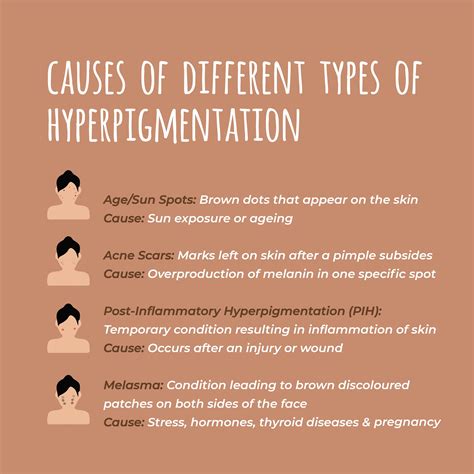
Hyperpigmentation occurs when the skin produces excess melanin, the pigment responsible for skin color, in specific areas. This excess melanin can manifest as spots, patches, or a generally uneven skin tone, depending on an individual's skin color.
Common Causes of Hyperpigmentation:
- Sun Exposure: UV rays stimulate melanin production, leading to darker patches in areas of overexposure.
- Inflammation: Skin conditions like acne, spots, or blackheads, especially when picked, can trigger inflammation that results in hyperpigmentation. Eczema and other inflammatory conditions can also cause discoloration.
- Mechanical Damage: Repeated actions such as shaving, tweezing, threading, or waxing can injure the skin, leading to dark spots or patches.
- Allergies: Allergic reactions, particularly those involving constant rubbing of the skin around the eyes or nose, can inflame the skin. This is more pronounced in Black skin due to more active melanin cells.
- Injuries and Wounds: Cuts, scrapes, and other wounds can leave behind hyperpigmented areas as the skin heals.
- Hormonal Changes: Fluctuations, including those during menopause, can affect skin quality and potentially increase patchiness and hyperpigmentation.
Essentially, any source of inflammation or irritation, combined with the body's natural response through melanin production, can lead to hyperpigmentation.
Types of Hyperpigmentation:
- Post-Inflammatory Hyperpigmentation (PIH): This type often results in dark spots after breakouts or acne scarring. While PIH can fade over time, it may take weeks to months.
- Sunspots (Lentigos): These are seen in photodamaged skin and are caused by increased melanocyte activity due to UV exposure.
- Melasma: Frequently observed in pregnant individuals but can affect anyone, melasma causes hyperpigmentation, commonly appearing on the upper lip, cheeks, and forehead. Hormones and UV exposure play significant roles. It can become a chronic condition requiring a dermatologist's approach.

Skin Types and Hyperpigmentation
Individuals with darker skin tones are often more susceptible to hyperpigmentation because they have more active melanocytes. This means that any skin trauma, inflammation, or hormonal changes can result in more noticeable dark spots.
The Role of Serums in Treating Hyperpigmentation
Serums are particularly effective in tackling hyperpigmentation due to their concentrated formulations and ability to penetrate the skin deeply. They often contain a combination of active ingredients that work synergistically to address discoloration.
Key Ingredients for Improving Pigmentation:
- Vitamin C: A powerful antioxidant that brightens the skin and helps fade dark spots.
- Niacinamide: Targets melanin production and can also improve skin barrier function.
- Retinoids: Accelerate skin cell turnover, aiding in the fading of existing dark spots and preventing new ones.
- Alpha-Arbutin: Inhibits melanin production and is known for its gentle yet effective brightening properties.
- Tranexamic Acid: Helps to reduce the appearance of dark spots and melasma.
- Kojic Acid: Derived from fungi, it inhibits melanin production.
- Phytic Acid: A gentle exfoliant that also helps to brighten the skin.
- Azelaic Acid: Helps to reduce inflammation and target acne scars and dark spots.
- Licorice Root Extract: Contains compounds that can inhibit melanin production and soothe the skin.
Many of these ingredients work best when used in combination, targeting melanin formation at different stages. This multi-pronged approach allows for tailored treatments for various types of hyperpigmentation.
Skincare Ingredients You CAN'T Mix?! | Doctorly Investigates
Top Serums for Hyperpigmentation, Recommended by Dermatologists
Choosing the right serum depends on your specific concerns and skin type. Here are some of the top picks, highlighted for their efficacy and ingredient profiles:
Best Overall: Isdin Melaclear
This serum combines vitamin C and phytic acid to brighten the skin and reduce dark spots. It is effective for both post-inflammatory hyperpigmentation and melasma, with dermatologists noting consistent results.
- Key Ingredients: Vitamin C, phytic acid, green tea extract
- Size: 0.5 fl oz
Best for Melasma: SkinCeuticals Discoloration Defense
A unique combination of niacinamide, kojic acid, and tranexamic acid makes this serum gentle yet effective for fighting pigmentation. It is often recommended in conjunction with a separate vitamin C serum for melasma.
- Key Ingredients: Niacinamide, kojic acid, tranexamic acid
- Size: 1 fl oz
Best Vitamin C: Medik8 C-Tetra Advanced Gel-Serum
Featuring a potent 20% concentration of a stable form of vitamin C (tetrahexyldecyl ascorbate), this serum also includes antioxidants like acetyl zingerone and hyaluronic acid. It brightens hyperpigmentation and defends against environmental aggressors.
- Key Ingredients: Vitamin C, acetyl zingerone, hyaluronic acid, phyto exosomes
- Size: 30 ml
Best for Age Spots: SkinMedica Even and Correct Advanced Brightening Treatment
This serum utilizes a 9% blend of niacinamide, tranexamic acid, and lotus sprout extract to fade various types of hyperpigmentation, including melasma. Grape extract provides moisture and softens fine lines.
- Key Ingredients: Lotus sprout extract, niacinamide, tranexamic acid
- Size: 2 fl oz
Best Drugstore: La Roche-Posay Mela B3 Dark Spot Serum With Melasyl + Niacinamide
This serum features a new compound, Melasyl, which targets melanin precursors, along with 10% niacinamide. It works to fade existing discoloration and prevent new spots, while additional antioxidants offer protection.
- Key Ingredients: Melasyl, niacinamide
- Size: 1 fl oz
Best for Acne Scars: Topicals Faded Brightening and Clearing Serum
Ideal for targeted treatment of acne scarring and dark spots, this serum contains azelaic acid, niacinamide, and tranexamic acid. Its thin, gel-like texture absorbs quickly.
- Key Ingredients: Azelaic acid, niacinamide, tranexamic acid
- Size: 1.7 fl oz
Best Preventative: Clinique Even Better Clinical Radical Dark Spot Corrector + Interrupter Serum
This serum aims to prevent hyperpigmentation before it forms, using vitamin C and a patented brightening complex that includes antioxidants and salicylic acid. It also contains extracts to quell inflammation.
- Key Ingredients: Salicylic acid, vitamin C, yeast extract
- Size: 1 fl oz
Best K-Beauty: Beauty of Joseon Glow Deep Serum
With nearly two-thirds of its base as rice bran water, this serum is hydrating. It contains 2% alpha-arbutin to reduce melanin production and has a lightweight texture that sinks in without tackiness.
- Key Ingredients: Rice bran water, alpha-arbutin, niacinamide
- Size: 1 fl oz
Best for Mature Skin: 111Skin Repair Serum NAC Y²
This formula enhances the skin's natural production of glutathione, an antioxidant that boosts elasticity and interferes with pigment production. It combines vitamin C, escin, and N-acetylcysteine for lasting results.
- Key Ingredients: Vitamin C, escin, N-acetylcysteine
- Size: 1 fl oz
Best Post-Procedure: Allies of Skin Tranexamic and Arbutin Advanced Brightening Serum
Gentle yet potent, this serum is suitable for compromised skin after procedures like chemical peels or laser resurfacing. It pairs 3% tranexamic acid and 2% alpha arbutin with licorice root extract and peptides to nourish and strengthen skin.
- Key Ingredients: Alpha arbutin, tranexamic acid, licorice root extract
- Size: 1 fl oz
Best Overnight: Epi.logic Double Feature AHA Overnight Facial
This potent formula combines a time-released blend of retinol and retinoid with lactic and mandelic acids to exfoliate dead skin cells. It is housed in a squalane base to maintain moisture.
- Key Ingredients: Retinol, lactic acid, mandelic acid
- Size: 1 fl oz
Best Budget: The Ordinary Alpha Arbutin 2% + HA
This straightforward formula highlights alpha-arbutin for its melanin-inhibiting properties, reducing hyperpigmentation. Hyaluronic acid provides added hydration.
- Key Ingredients: Alpha-arbutin, hyaluronic acid
- Size: 30 ml or 60 ml
Best for Uneven Tone: Omorovicza Even Tone Serum
This serum pairs niacinamide with gentle exfoliating acids (mandelic and gluconic acids) and amber microalgae to target melanin formation and promote an even skin tone.
- Key Ingredients: Niacinamide, mandelic acid, amber microalgae
- Size: 0.17 fl oz, 1 fl oz
Best for Sensitive Skin: SkinBetter Science Even Tone Correcting Serum
Utilizing licorice extract and alpha arbutin, this serum targets hyperpigmentation without causing irritation. It also contains diglucosyl gallic acid, an antioxidant that prevents excess melanin production.
- Key Ingredients: Licorice extract, diglucosyl gallic acid, alpha arbutin
- Size: 1.7 fl oz
Preventing Dark Spots
While serums can effectively treat existing hyperpigmentation, prevention is key. Consistent use of sunscreen with a high SPF is crucial, as sun exposure is a primary driver of discoloration. Protecting the skin from UV radiation helps prevent the overproduction of melanin.
Additionally, avoiding harsh skin treatments or picking at blemishes can minimize inflammation, which is a common trigger for post-inflammatory hyperpigmentation. Gentle skincare practices and managing underlying inflammatory conditions are also important preventative measures.
tags: #lotion #for #hyperpigmentation