Many individuals opt for lip and cheek fillers, such as Juvederm, to enhance their appearance, smooth fine lines, and restore lost volume. However, a concern that sometimes arises is whether these fillers can migrate after injection. When fillers migrate, it signifies that they have moved from the intended injection site, potentially leading to an unbalanced look with unexpected fullness in certain areas or unwanted puffiness. This outcome is often far from what the patient desired.
Juvederm is a highly popular dermal filler primarily composed of hyaluronic acid (HA), a substance naturally found in the skin and body. These fillers are commonly used to add volume to lips and cheeks, fill in lines, treat acne scars, and restore a youthful appearance.
What is Filler Migration?
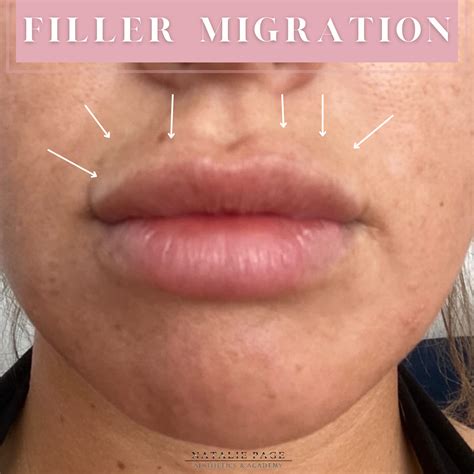
Filler migration occurs when a dermal filler shifts from its original injection site to another area of the face. Instead of remaining in place to deliver volume or contour as intended, the product moves, potentially resulting in puffiness, asymmetry, or a distorted appearance. Understanding the possibility of filler migration is crucial when preparing for any aesthetic treatment.
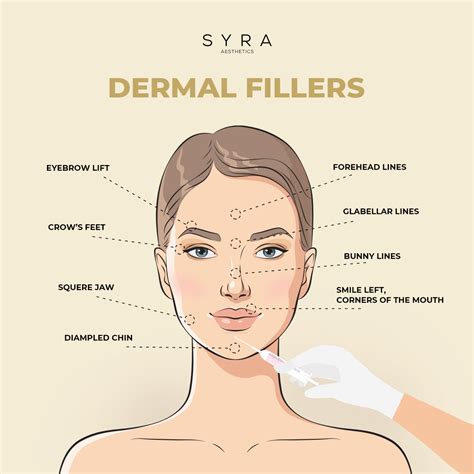
This cosmetic complication is most frequently associated with lip filler migration but can also occur in other treated areas, including:
- Under-eye hollows (tear troughs)
- Cheeks
- Nasolabial folds
- Chin and jawline
While this issue can be unsettling, it's important to recognize that filler migration is typically a result of improper technique, poor product choice, or insufficient aftercare, rather than an inherent flaw in the filler itself.
Common Signs of Filler Migration
Identifying filler migration isn't always straightforward, especially if it happens subtly over time. Some of the most common indicators include:
- A blurred or undefined lip border, sometimes referred to as "duck lips."
- Bumps, ridges, or puffiness above or around the lip line.
- Uneven swelling, irregular contours, or facial asymmetry.
- Shadowing or a bluish tint in delicate areas (known as the Tyndall effect).
If any of these signs are present, it is crucial to consult with an experienced provider who understands how to address filler migration.
What Causes Filler Migration?
Can filler move after injection? The answer is yes, and several factors can contribute to this phenomenon:
Overfilling
Injecting too much filler into a single area increases the risk of migration. Thinner areas of skin, such as the lips or under the eyes, may not be able to accommodate excess volume. When overfilled, the filler can push outwards and migrate into surrounding tissues.
Poor Injection Technique
One of the primary causes of filler migration is improper injection technique. If filler is placed too superficially, in the wrong tissue layer, or unevenly distributed, the risk of movement increases significantly. This underscores the importance of choosing an experienced medical professional for your treatment.
Inappropriate Filler Choice
Not all fillers behave in the same manner. Softer fillers are more prone to spreading, particularly in mobile areas like the lips. Using a highly moldable filler in a zone of frequent movement can contribute to lip filler migration and distorted results.
Muscle Movement and Pressure
Frequent facial movements, such as talking, eating, smiling, or applying pressure to the area (like sleeping face-down or rubbing your face) within the first 48 hours after injection, can displace the filler before it has a chance to settle properly.
Frequent Re-treatments
Returning too soon for touch-ups or adding new filler without dissolving previous product can lead to buildup and displacement. This is a common issue for patients who schedule routine top-ups without adequate spacing, potentially resulting in dermal filler complications and aesthetic imbalance.
How to Avoid Filler Migration
While filler migration is not the norm, taking preventive steps is essential, especially when receiving treatment in high-risk areas like the lips or under the eyes. Here's how to ensure optimal results and reduce the risk of complications:
1. Choose an Experienced Injector
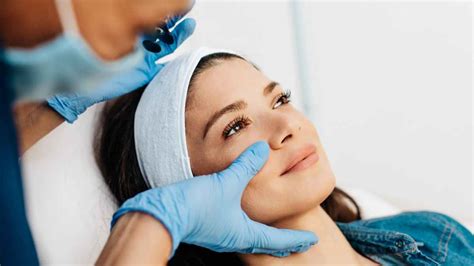
The choice of provider is the single most critical factor in preventing filler migration. A board-certified, medically trained aesthetic professional will possess a deep understanding of facial anatomy, product characteristics, and the safest injection techniques. Many experts emphasize that filler migration is rare when administered by a skilled injector.
2. Start Small
If it's your first time with dermal fillers, it's advisable to start with a conservative amount. A subtle enhancement is easier to build upon than attempting to correct overfilled or migrated filler. This approach also helps minimize the risk of lip filler migration and ensures a more natural progression of results.
3. Stick to Proper Filler Placement
Understanding where and how filler is placed makes a significant difference. Injectors should place filler at the correct depth (deep versus superficial) based on the area being treated. Incorrect placement can not only lead to filler migration but also increase the risk of other dermal filler side effects like lumps, bruising, or nodules.
4. Use the Right Type of Filler
Different types of fillers are designed for different functions. Firmer fillers, such as Juvederm Voluma or Restylane Lyft, offer structural support and are best suited for deep injections in areas like the cheeks and jawline. Softer fillers, like Restylane Silk or Juvederm Volbella, are ideal for delicate areas but require precise application to prevent filler migration. Using the wrong filler in the wrong area, such as placing a soft filler too superficially in a high-movement zone, significantly increases the risk of lip filler migration and aesthetic complications.
5. Follow Post-Treatment Instructions
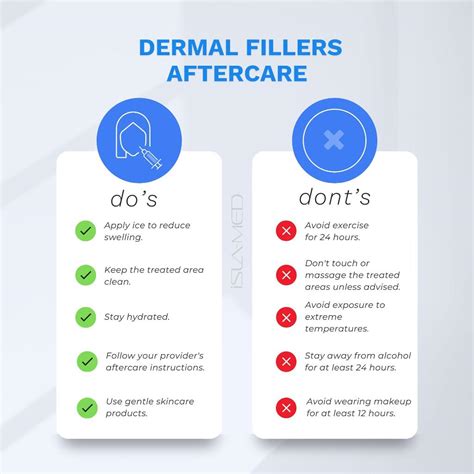
Your behavior after treatment plays a crucial role in how your results settle. Proper aftercare reduces the risk of filler shifting or developing other dermal filler side effects. After your treatment, ensure you:
- Avoid touching, pressing, or massaging the treated area.
- Remain upright for at least 4-6 hours.
- Sleep on your back for several nights.
- Avoid strenuous workouts, saunas, and alcohol for 24-48 hours.
These precautions are effective in reducing the risk of dermal filler complications and help ensure long-lasting, even results.
6. Wait Between Treatments
Spacing out treatments allows your body to adjust to the changes and prevents the buildup of product. Ideally, wait at least 4 to 6 weeks before scheduling additional filler appointments. This prevents overfilling, reduces the risk of filler migration, and enables more precise aesthetic planning.
Can Filler Migration Be Fixed?
Yes, if you are experiencing signs of filler migration, the issue can often be resolved with a simple procedure. Most hyaluronic acid-based fillers, including popular brands like Juvederm and Restylane, can be dissolved with an enzyme called hyaluronidase. This substance breaks down the filler, allowing your body to return to its natural state.
Once the product has been dissolved and the area has healed, you can work with your provider to re-inject filler correctly using safer, more effective techniques. This process is referred to as dermal filler correction and is a safe, well-tolerated solution for patients unhappy with previous results.
Reversing and Dissolving Dermal hyaluronic acid filler with Hyaluronidase
Key Considerations for Juvederm
Juvederm is a hyaluronic acid (HA)-based dermal filler approved by the FDA in 2006. It is one of the most popular fillers globally, with millions of treatments administered annually. The gel-like substance is designed to integrate into the skin, binding with water molecules to create a natural, plump effect. Unlike some older filler types, Juvederm's HA structure is biocompatible, meaning allergic reactions are rare, with adverse reaction rates cited as less than 0.1% in studies.
The effectiveness of Juvederm stems from its hyaluronic acid gel. HA is naturally found in the skin and plays a vital role in hydration and volume. As we age, HA levels decline, leading to volume loss and wrinkles. Juvederm is engineered with cross-linked HA molecules, making it thicker and longer-lasting than natural HA. When injected, it attracts and holds water, creating immediate volume and potentially stimulating collagen production over time.
Injection depth is a critical factor; superficial placement targets fine lines, while deeper placement adds structural support. Incorrect depth can increase migration risks. The body metabolizes Juvederm gradually, with breakdown rates influenced by age, metabolism, and lifestyle factors like smoking and exercise frequency. The longevity of Juvederm also depends on its formulation, with technologies like VYCROSS® creating a more stable 3D mesh of HA chains.
Side effects from Juvederm are usually mild and temporary, with swelling and redness typically resolving within a few days. Bruising can occur but can be minimized by avoiding certain medications and supplements before treatment. While Juvederm is designed to stay in place, migration can occur, particularly within the first few weeks post-injection. Factors influencing stability include injection technique, product type, and facial movement.
Areas with high mobility, such as the lips and nasolabial folds, are more prone to filler movement than static zones. Vigorous facial movements or pressure on the treated area in the days following injection can increase displacement odds. Swelling immediately after treatment can sometimes mask early signs of migration, but this often resolves as swelling subsides. True migration, where filler visibly moves a significant distance from the injection site, affects a small percentage of patients long-term.
If migration occurs, hyaluronic acid-based fillers can often be dissolved with hyaluronidase injections. This process allows for correction and the potential for re-treatment with safer, more effective techniques.
Minimizing Juvederm complications begins before the procedure. Choosing a reputable provider, such as a board-certified dermatologist or plastic surgeon, is paramount. These professionals have extensive training in facial anatomy, which reduces the risk of complications like vascular occlusion. Pre-appointment preparation, including avoiding blood thinners, and post-care vigilance, such as sleeping with the head elevated and avoiding strenuous exercise, are also crucial for preventing migration and other adverse effects.
The Bottom Line
Filler migration can be alarming, but with the right provider, proper planning, and diligent aftercare, it is largely preventable. Whether you are seeking subtle enhancements or correcting a previous experience, understanding how to avoid filler migration empowers you to make safer, more informed decisions. Dermal fillers offer a powerful way to restore youthfulness and facial harmony without surgery, provided they are applied with care. If you have experienced dermal filler complications, don't panic; dermal filler correction is possible and effective with the right professional guidance.