Acne affects millions of people globally, often leading to frustration and lowered self-esteem. Many commercial products make grand promises of clearer skin, but they frequently contain harsh chemicals that can irritate and exacerbate the issue. Fortunately, natural charcoal soaps provide a gentle and effective alternative for those struggling with acne-prone skin. In this blog post, we will explore the benefits of using natural charcoal soaps and highlight why they might just be the hidden gem in your skincare routine.
What is Charcoal Soap?
Charcoal soap is crafted using activated charcoal, a specially processed form of carbon known for its exceptional absorbent properties. This unique ingredient draws out impurities and toxins from the skin, making it an attractive option for those dealing with acne. Unlike traditional soaps that can leave skin feeling raw and stripped of moisture, natural charcoal soaps cleanse effectively while maintaining the skin's natural hydration.
The Power of Activated Charcoal
Activated charcoal is the hero ingredient in charcoal soaps, and its advantages for acne-prone skin are extensive.
Deep Cleansing Properties
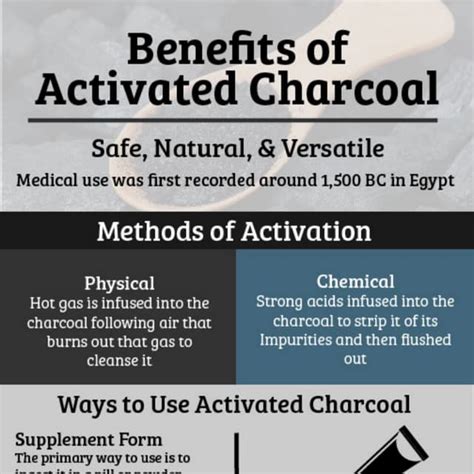
Activated charcoal’s primary benefit lies in its deep cleansing abilities. It chemically binds with dirt, oil, and impurities present on the skin’s surface, allowing for a thorough cleanse. For those with oily skin-which affects nearly 40% of acne sufferers-removing excess oil is crucial to preventing clogged pores and breakouts. A study from the Journal of Dermatology showed that using charcoal-based products reduced acne lesions by up to 20% within 4 weeks, underscoring its effectiveness.
Detoxification
In addition to cleansing, activated charcoal detoxifies the skin by absorbing toxins and pollutants accumulated throughout the day. This not only helps reduce the frequency of breakouts but also enables your complexion to look fresher and more vibrant. A cleaner canvas allows the skin to breathe and may result in visible improvement-studies indicate that pollution can exacerbate acne by up to 200%, making this detoxifying effect significant.
Gentle Exfoliation
Natural charcoal soaps provide a gentle exfoliation. This process helps remove dead skin cells that could clog pores, making regular exfoliation key to maintaining clear skin. As you promote cell turnover, you expose a brighter complexion that can enhance your skin's overall appearance.
Balancing Oil Production
Managing oil production is critical for anyone battling acne. Charcoal soap helps balance oil levels, lowering the chance of breakouts without stripping the skin's moisture. By effectively controlling excess oil, many users report a decrease in acne flares within just a few applications.
Soothing Inflammation
Inflammation and redness are common side effects of acne. Many natural charcoal soaps contain soothing agents like lavender or tea tree oil, known for their calming effects. According to a survey, around 63% of users noticed a marked reduction in redness and irritation after using charcoal soap regularly, helping them achieve a more even, calm skin tone.

Natural Ingredients Matter
When selecting a charcoal soap, prioritize products made with natural ingredients. Many mainstream soaps include synthetic fragrances and harsh chemicals that can irritate the skin. By choosing natural charcoal soaps, you commit to gentle and effective skin care without aggravating your sensitivity.
How to Use Charcoal Soap for Best Results
To unlock the full potential of natural charcoal soap, follow these straightforward steps:
- Wet Your Face: Begin with warm water to open your pores.
- Lather the Soap: Rub the charcoal soap between your hands to create a generous lather.
- Apply Gently: Massage the lather onto your face in circular motions, focusing on breakout-prone areas.
- Rinse Thoroughly: Use cool water to rinse away the soap, closing your pores and removing residue.
- Moisturize: Finish your routine with a gentle, non-comedogenic moisturizer to keep skin hydrated.
By incorporating charcoal soap into your daily routine, expect to see clearer, healthier skin over time.
Featured Charcoal Soaps
Cullowheegee Farms offers two effective charcoal soaps for acne:
- The Charcoal Face Bar: Packed full of nourishing plant oils like tamanu oil, vitamin E oil, rosehip oil, and more.
- The Witch Hazel Face Cube: A face soap with cleansing ingredients like Dead Sea mud, rosemary, and charcoal.
Both are excellent for acne, skin toning, and deep cleansing.
Additional Benefits of Charcoal Soap
Natural charcoal soap goes beyond treating acne, offering a variety of advantages:
Eco-Friendly Choice
Many brands produce natural charcoal soaps using sustainable ingredients, often packaged in environmentally friendly materials. By choosing these options, you benefit your skin while also supporting eco-conscious practices.
Versatility
Charcoal soap is not only effective on the face but can be used on other body areas prone to acne, including the back and chest. This makes it a versatile solution for those dealing with body acne as well.
Suitable for All Skin Types
While natural charcoal soaps primarily benefit oily and acne-prone skin, they can also work for individuals with dry or combination skin, provided the formulation includes hydrating components. For instance, some soaps include honey or jojoba oil to offer hydration while cleansing.
The Path to Healthier Skin
Natural charcoal soaps are a valuable addition to the skincare arsenal for anyone struggling with acne. With their deep cleansing, detoxifying, and soothing properties, these soaps provide a gentle approach to clearer skin without the harsh side effects often associated with traditional acne treatments. By embracing natural charcoal soap as part of your skincare routine, you open the door to its many remarkable benefits, guiding you toward healthier, more radiant skin.
One of the standout benefits of activated charcoal is how well it tackles excess oil. It’s especially helpful if your skin tends to be oily or acne-prone, absorbing shine, helping to prevent breakouts, and keeping things in check. It also helps clear out pores, which can make them look smaller and your skin look smoother overall.
If you want to experience these benefits firsthand, Dove Men+Care Plant Powered Exfoliating Charcoal + Clove Oil Cleansing Bar is a solid choice. It’s designed to deeply cleanse without over-drying, making it a great daily option for men who want to keep oil and buildup in check while being kind to their skin.
Key Benefits of Activated Charcoal in Skincare
- Unclogging Pores: Activated charcoal excels at unclogging pores by drawing out impurities and excess oil, which helps prevent the formation of blackheads and whiteheads, contributing to clear and healthy skin.
- Keeping Breakouts in Check: By controlling oil production and keeping pores clean, activated charcoal can help minimize the occurrence of acne, making it a valuable addition to any skincare routine.
- Odor Control: Activated charcoal is also known for its odor-controlling properties. This makes it an excellent ingredient in deodorants, where it works to neutralize odors and keep you feeling fresh throughout the day.
Is Activated Charcoal Right for Your Skin?
Activated charcoal packs a punch, but it’s not one-size-fits-all. If you have oily or acne-prone skin, you’ll likely see the biggest benefits, thanks to its oil-balancing and breakout-fighting powers. That said, it’s not just for shiny skin types. Even if your skin is normal or combination, charcoal’s deep-cleansing and detoxifying effects can still give your routine a serious upgrade. If your skin tends to be sensitive, it’s smart to start with a patch test. It’s a simple way to check that your skin gets along with the product, so you can enjoy the benefits without any unwanted surprises.
Charcoal in Body Care
Adding activated charcoal to your skincare and grooming routine is an easy upgrade that makes a difference. As you’ve learned, charcoal works like a magnet - pulling dirt, oil, and impurities from the skin to leave you feeling fresh and balanced, without over-drying. And while it’s often talked about in the context of face masks or cleansers, charcoal shines in body care too. It’s especially great in products that cover larger surface areas - think body washes and bar soaps.
If you’re interested in trying it out, Dove Men+Care Charcoal + Clove Exfoliate Cleansing Bar or Purifying Charcoal + Clay Body + Face Wash are solid options. They bring together activated charcoal with other skin-cleansing ingredients like clay to help wash away dirt and oil, while still being gentle enough for everyday use. They’re made with skin-strengthening nutrients, so your skin gets clean without feeling stripped.
Activated charcoal is a smart, high-performing ingredient. It helps manage oil, minimizes breakouts, and delivers a deep, satisfying cleanse - perfect after a demanding day or an intense workout. It’s versatile. It’s effective. It’s elevated skincare made simple. With the power to detoxify, purify, and neutralize odor, activated charcoal earns its place in any well-considered routine. Whether you're navigating busy mornings or looking to prioritize self-care, this ingredient helps you maintain fresh, healthy-looking skin without the extra effort.
Understanding Activated Charcoal
Charcoal is all over the beauty aisle lately, popping up in face masks, pore strips, toothpaste, and deodorant. In some places, you can even find it in coffee. Charcoal is said to trap and clear toxins from the body, which may be why it has become a trend in beauty and food products. But can charcoal soap actually benefit your skin? Below, we break down what claims are true and what’s just marketing hype.
What is Activated Charcoal?
When browsing the beauty aisle, you may see “activated charcoal” listed as an ingredient in some products. Activated charcoal is made by processing a material that’s high in carbon at very high temperatures and then “activating” it with steam or hot air. This process increases the material’s surface area and pores, so it’s able to bind to and absorb many types of liquids and gases. Common ingredients used to make activated charcoal include wood, nutshells, fruit pits, peat, bone, and paper mill waste.
Activated Charcoal vs. Regular Charcoal
Activated charcoal is often used to clean water of pollutants like heavy metals, insecticides, and herbicides. It’s also commonly used in emergency rooms to prevent the gut from absorbing ingested drugs and poisons into the bloodstream. The poisons bind to activated charcoal and are swept out of the body. Regular charcoal that you use to light your barbecue isn’t the same as activated charcoal. Standard charcoal briquettes haven’t gone through the same activation process and contain substances that are toxic to humans.
Claims vs. Evidence
While there’s little evidence to support their claims, some skin care companies say the absorbing power of activated charcoal can:
- Remove dirt and other impurities from the skin’s pores
- “Detox” or “purify” skin when used as a soap or facial cleanser
- Help clear up acne
In theory, activated charcoal could bind to and suck out oils and pollutants from your pores. But in practice, it may not be true. Studies find it takes a few hours of contact with a substance for activated charcoal to fully work its magic. Drugstore products with activated charcoal may not be “activated” enough to be effective. A 2020 study concluded that although there’s no harm in trying activated charcoal in cosmetic products, there’s little to no evidence to support its skin care benefits.
Safety and Potential Side Effects
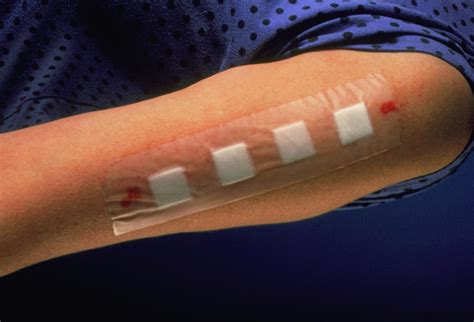
Researchers say that activated charcoal in skin care products is generally safe to use. However, it’s always possible to have an allergic reaction from any nonprescription skin care product. That’s why it’s a good idea to test a small amount of any new soap or cleanser on your inner arm before using it on the rest of your body or face. Even when activated charcoal is taken orally, side effects are rare and most often include nausea and vomiting. It’s important to note, though, that activated charcoal supplements may flush out some medications, such as carbamazepine (Tegretol), methylxanthines, and nonsteroidal anti-inflammatory drugs (NSAIDs).
Popular Charcoal Soap and Cleanser Options
Want to give charcoal soap a try? Here are a few popular soaps and cleansers for the face and body:
- Bioré Pore Penetrating Charcoal Bar: Designed for oily and sensitive skin to draw out dirt and deep-clean your pores.
- Herbivore Bamboo Charcoal Detoxifying Soap Bar: A gentle soap for oily, combination, and blemish-prone skin. Made to target acne and clear out pores, it’s gentle enough to use on your face and body, and comes in a citrusy bergamot scent.
- Dermalogica Active Clay Cleanser: Contains kaolin clay to absorb excess oil and activated charcoal to remove impurities. Citrus, aloe, and broccoli extract work together to purify pores.
- Binu Binu Shaman Black Charcoal Soap: Moisturizes while purifying skin with a blend of activated charcoal, lavender essential oil, shea butter, cocoa butter, and coconut, castor, olive, and sweet almond oils.
- French Girl Fleur De Néroli Charcoal Wash: A creamy, nonfoaming face and body wash with activated charcoal, green tea extract, aloe, and jojoba oil to soothe and clean sensitive skin.