Acne can be a persistent and frustrating skin condition, often feeling like an ongoing battle against breakouts. Fortunately, one ingredient consistently recommended by dermatologists is benzoyl peroxide. This powerful ingredient has proven its effectiveness and reliability in both calming existing pimples and preventing future ones from forming. However, due to its potency, it's essential to understand how to use benzoyl peroxide correctly to maximize its benefits and minimize potential side effects.
This article will delve into what benzoyl peroxide is, how it works to combat acne, its various benefits, and how to incorporate it safely into your skincare routine. We will also discuss how to choose the right benzoyl peroxide product for your skin type and explore some of the best options available on the market.
What is Benzoyl Peroxide?
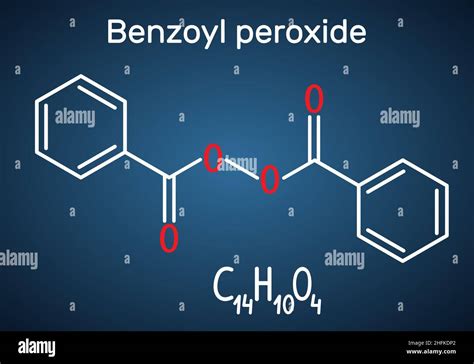
Benzoyl peroxide is an FDA-approved ingredient widely available both over-the-counter and by prescription. It comes in various formats and strengths, making it a versatile option for acne treatment. It is a potent antimicrobial agent that effectively targets acne-causing bacteria and reduces inflammation.
How Benzoyl Peroxide Works to Combat Acne
Benzoyl peroxide tackles acne on multiple fronts:
- Antimicrobial Properties: It effectively kills acne-causing bacteria, such as Propionibacterium acnes (P. acnes), by releasing oxygen into the pores. This creates an inhospitable environment for bacteria to thrive, thus preventing new blemishes from forming and clearing existing ones.
- Exfoliation: Benzoyl peroxide has a mild exfoliating effect, helping to shed dead skin cells and excess oil that can clog pores. This process keeps pores clear and reduces the likelihood of breakouts.
- Anti-inflammatory Action: It helps to calm the redness and inflammation associated with pimples, promoting faster healing and a clearer complexion over time.
Benefits of Benzoyl Peroxide for Skin
When used appropriately, benzoyl peroxide offers significant benefits for acne-prone skin:
- Kills Acne-Causing Bacteria: Its primary benefit is its potent ability to eliminate bacteria responsible for breakouts, addressing the root cause of acne.
- Reduces Redness and Swelling: By decreasing inflammation, benzoyl peroxide helps to calm angry pimples, making them less noticeable and uncomfortable.
- Promotes Skin Renewal: The exfoliating action helps to slough off dead skin cells, revealing fresher, healthier skin and preventing pore blockages.
- Prevents Future Breakouts: By keeping bacteria at bay and pores clear, it plays a crucial role in preventing the recurrence of acne.
Is Benzoyl Peroxide Suitable for All Types of Acne?
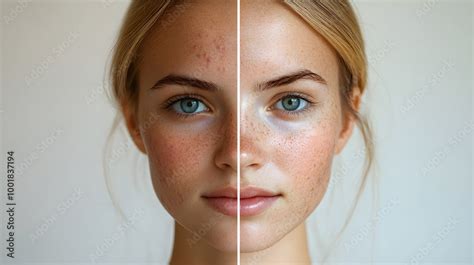
Benzoyl peroxide is particularly effective for treating inflammatory acne, such as pustules and papules. It can also be beneficial for mild cases of cystic acne and helps manage blackheads and whiteheads by preventing oil and debris from accumulating in pores.
However, for severe cystic acne or extensive breakouts, benzoyl peroxide alone may not be sufficient. In such cases, a dermatologist might recommend a comprehensive treatment plan that includes other therapies like topical retinoids or oral medications.
How to Use Benzoyl Peroxide in Your Skincare Routine
Incorporating benzoyl peroxide into your routine requires a careful approach to minimize potential irritation:
- Cleanse Gently: Always start your skincare routine with a gentle cleanser to remove impurities without stripping the skin.
- Start Slowly: Begin with lower concentrations, typically 2.5% to 5%, to allow your skin to adjust. Higher concentrations are not always better, especially for beginners.
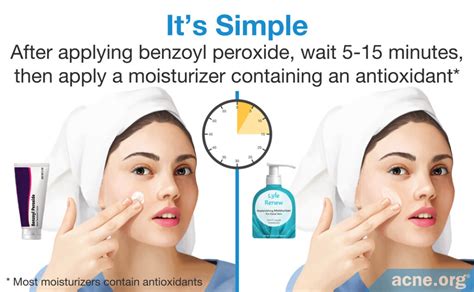
- Apply Gradually: For first-time users, apply benzoyl peroxide once daily, preferably at night. Once your skin builds tolerance, you can gradually increase to twice daily use if needed.
- Double Down on Hydration: Potent active ingredients like benzoyl peroxide can cause dryness. Ensure you use a good moisturizer to counteract potential side effects, especially if you have dry or sensitive skin. Look for formulations with ingredients like ceramides, glycerin, or hyaluronic acid.
- Mix with Other Treatments Carefully: If using multiple active ingredients, apply them on alternate days or at different times of the day (e.g., one in the morning, one at night) to prevent over-irritation.
- Always Use SPF: Benzoyl peroxide can increase your skin's sensitivity to sunlight. Daily use of broad-spectrum sunscreen (SPF 30 or higher) is crucial to protect your skin from sun damage.
How to Choose the Right Benzoyl Peroxide Product
Selecting the appropriate benzoyl peroxide product depends on your skin type and acne concerns:
- Oily Skin: Lightweight gels or foaming cleansers are often best to control excess oil without feeling heavy.
- Dry or Sensitive Skin: Creamy formulations with hydrating ingredients are generally more comfortable and less likely to cause irritation.
- Combination Skin: Gentle cleansers or lightweight lotions can provide a balance of hydration and acne-fighting power.
Concentration Matters:
- Lower Strengths (2.5% to 5%): Generally better tolerated, especially for sensitive skin or when starting out.
- Higher Strengths (up to 10%): May be used for more severe or persistent acne but can be more drying and are not suitable for everyone.
Best Benzoyl Peroxide Skincare Products
Here are some highly-regarded benzoyl peroxide products:
- La Roche-Posay Effaclar Acne Face Wash With 4% Benzoyl Peroxide: A dual-action cleanser that controls oil, clears blemishes, and smooths skin texture. Ideal for oily and acne-prone skin.
- Jan Marini Benzoyl Peroxide 5%: A micronized cream that penetrates deeply to fight acne without harsh dryness, balancing moisture while treating breakouts. Suitable for all skin types.
- Obagi Medical CLENZIderm M.D. Therapeutic Lotion 5% BPO: An intensive moisturizer that clears and prevents breakouts while regulating oil production and balancing hydration. For oily, acne-prone, and combination skin.
- CeraVe Foaming Cream Wash 10% Benzoyl Peroxide: A maximum-strength wash that effectively clears face and body acne without stripping or drying, while strengthening the skin barrier with ceramides and hyaluronic acid. For oily and acne-prone skin.
- Replenix Benzoyl Peroxide Acne Wash 5%: A soap-free cleanser with soothing aloe vera, designed to gently clear cystic and hormonal acne with its pH-balanced, non-irritating formula. For acne-prone, oily, and combination skin.
- PCA SKIN BPO 5% Cleanser: Balances potent acne-fighting action with gentle botanical extracts to clear breakouts, calm inflammation, and promote a clearer complexion. For oily, acne-prone, and combination skin.
- Glytone Acne BPO Treatment Gel: Features slow-release benzoyl peroxide to treat and prevent blemishes while reducing redness without dehydrating the skin, offering a matte finish. For oily, acne-prone, and combination skin.
- Jan Marini Age Intervention Duality: A sophisticated dual-action cream combining benzoyl peroxide with retinol and peptides to treat adult acne while addressing signs of aging. Suitable for all skin types, including mature and sensitive.
Doctor explains how to use BENZOYL PEROXIDE for ACNE (aka PanOxyl / Acnecide) | Side effects & more
Potential Side Effects of Benzoyl Peroxide
While generally safe and effective, benzoyl peroxide can cause some side effects, especially when first starting or if your skin is sensitive:
- Mild Dryness and Peeling: This is common as your skin adjusts to the active ingredient.
- Redness and Irritation: Some stinging or burning sensations may occur.
- Increased Sun Sensitivity (Photosensitivity): Your skin becomes more vulnerable to sun damage.
- Bleaching Effect: Benzoyl peroxide can bleach hair, clothing, towels, and colored fabrics.
These side effects are typically manageable by introducing benzoyl peroxide slowly, moisturizing regularly, and diligently using sunscreen. If irritation is severe or persistent, consult a dermatologist.
Benzoyl Peroxide vs. Other Acne Treatments
- Benzoyl Peroxide vs. Salicylic Acid: Benzoyl peroxide excels at killing bacteria and reducing inflammation, making it ideal for inflammatory acne. Salicylic acid is a beta-hydroxy acid that exfoliates inside pores, making it best for non-inflammatory acne like blackheads and whiteheads. They can often be used together for a comprehensive approach.
- Benzoyl Peroxide vs. Retinoids (e.g., Tretinoin, Retinol): Retinoids promote cell turnover and can help with acne and anti-aging. Benzoyl peroxide primarily targets bacteria. Retinoids may take longer to show results and can also cause irritation. Some dermatologists recommend alternating benzoyl peroxide and retinoids.
FAQs
Can acne become worse after using benzoyl peroxide?
Yes, benzoyl peroxide can sometimes cause a temporary worsening of acne, known as purging, as deeper impurities surface. This is usually a normal reaction that subsides within a few weeks. Consistency is key during this period.
Which is better, salicylic acid or benzoyl peroxide?
The "better" ingredient depends on your specific acne type. Benzoyl peroxide is superior for killing bacteria and reducing inflammation in red, swollen pimples. Salicylic acid is better for exfoliating within pores to clear out blackheads and whiteheads.
Are there potential side effects of benzoyl peroxide skincare?
Yes, common side effects include mild dryness, redness, peeling, and increased sun sensitivity. These are usually temporary and can be managed with proper skincare practices.
Is benzoyl peroxide safe for all skin types?
While generally safe, benzoyl peroxide can be drying and irritating, especially for very sensitive or eczema-prone skin. Starting with a lower concentration and patch testing is recommended. Pregnant individuals should consult their dermatologist.
What should I do if my skin becomes too dry or irritated?
If dryness or irritation occurs, try using a benzoyl peroxide product less frequently (e.g., every other day) and ensure you are using a hydrating moisturizer. If irritation is severe, discontinue use and consult a dermatologist.
Can benzoyl peroxide be used on body acne?
Yes, benzoyl peroxide is effective for treating acne on the chest, back, and other parts of the body. Many body washes and cleansers contain benzoyl peroxide.
How long does it take for benzoyl peroxide to work?
Results can vary, but it typically takes 4 to 6 weeks of consistent use to see significant improvement in acne.
Can benzoyl peroxide be used with other acne treatments?
It can be combined with some treatments, but caution is advised. Avoid using it with other potentially irritating ingredients like strong exfoliants or certain prescription topicals without consulting your dermatologist. It often pairs well with hydrating ingredients like hyaluronic acid and niacinamide.