Navigating the diverse world of skincare can be overwhelming, especially when trying to determine which moisturizer best suits your unique skin needs. While both facial moisturizers and lotions are designed to hydrate the skin, their compositions, consistencies, and intended uses differ significantly. Understanding these distinctions is key to achieving optimal skin health.
The Fundamental Differences: Creams vs. Lotions
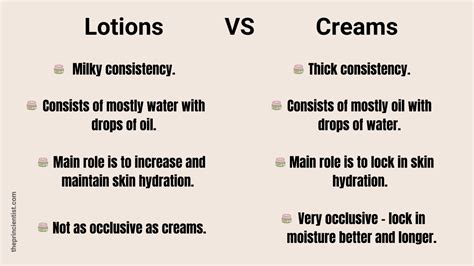
The primary difference between creams and lotions lies in their formulations, which directly impact their textures and how they interact with the skin. Creams, characterized by their high oil content, are dense and thick. This rich composition allows them to effectively lock in moisture, creating a hydrating layer that keeps the skin feeling supple. Consequently, creams are often recommended for individuals with dry skin, as they provide a more substantial barrier against moisture loss.
Lotions, on the other hand, are emulsions with a significantly lower oil content. This results in a lighter, less sticky consistency that is easier to apply and absorb. Their lighter formulation makes lotions a better choice for those with oily skin, as they are less likely to clog pores. Body creams, in particular, tend to be heavier and thicker than lotions due to a higher percentage of oil, making them ideal for boosting skin firmness and preventing excessive moisture loss on the body.
Facial Skin: Unique Needs and Targeted Solutions
Facial skin possesses distinct characteristics that necessitate specialized care. It is generally thinner than the skin on other parts of the body, particularly the delicate skin around the eyes. Furthermore, facial skin is more constantly exposed to environmental factors like harsh weather and sunlight, which can lead to damage and premature aging. The face also has a higher concentration of sebaceous glands, which produce oil. These glands can be influenced by hormonal and environmental factors, sometimes leading to oil imbalances such as dryness or excessive oiliness.
Facial moisturizers are formulated to address these specific needs. For instance, facial creams are typically lighter than body creams and may contain specialized ingredients to cater to the sensitive nature of facial skin. Ingredients like hyaluronic acid and linoleic acid, found in some facial creams, can instantly rehydrate the skin and help strengthen its natural moisture barrier, soothing overnight dryness.
The Role of SPF in Facial Moisturizers
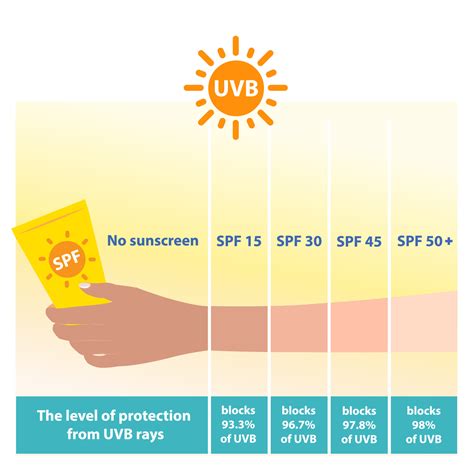
Due to the face's constant exposure to the sun, many facial moisturizers incorporate SPF (Sun Protection Factor) to shield the skin from harmful UV rays. This helps protect against sun damage, premature aging, and the development of fine lines and wrinkles. Products like Cetaphil Daily Facial Moisturizer SPF 35 are formulated to offer both hydration and sun protection for all skin types, including sensitive skin.
Lotions: Lightweight Hydration for Body and Face
Lotions, with their lower viscosity and higher water content compared to creams, are well-suited for skin that does not require intense hydration or for those who prefer a lighter feel. They absorb quickly, making them a practical choice for daily use, especially in warmer weather or for individuals on the go.
While often associated with body care, lotions can also be beneficial for the face, particularly for those with oily or combination skin who dislike the feeling of heavy creams. A face lotion can provide lightweight, quick hydration and combat dryness without feeling greasy. Some lotions are enhanced with ingredients like shea butter, known for its high fatty acid content and rapid absorption, to further boost their moisturizing effects, as seen in products like Cetaphil Advanced Relief Lotion with Shea Butter.
Understanding the "Moisturizer" Umbrella Term
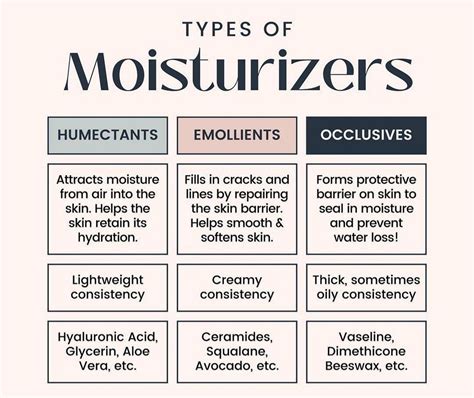
It's important to recognize that "moisturizer" is a broad category encompassing various products designed to hydrate the skin. Lotions are a subcategory of moisturizers, meaning all lotions are moisturizers, but not all moisturizers are lotions. Other types of moisturizers include serums, which are potent formulations with high concentrations of active ingredients for targeted concerns, and balms, which are typically oil-based and offer intense hydration.
When considering moisturizers, think of them on a spectrum from water to petroleum jelly. Lotions are primarily water with a small amount of oil-based ingredients, while creams contain a higher proportion of oil. Ointments, such as petroleum jelly, are the thickest and form the most substantial barrier, containing little to no water, which makes them less prone to bacterial growth and ideal for very dry or sensitive skin, especially in harsh weather conditions.
Can You Use Body Lotion on Your Face?
While in a pinch, using body lotion on your face might seem like a viable option, it is generally not recommended, especially for those with oily or acne-prone skin. The thicker, heavier emollients in many body lotions can be too occlusive for the delicate facial skin, potentially leading to clogged pores and breakouts. Additionally, most body lotions do not contain SPF, leaving facial skin vulnerable to sun damage.
Fragrances and other ingredients in body lotions can also irritate sensitive facial skin. For the particularly thin and sensitive skin around the eyes, using a pore-clogging lotion can even lead to milia, small white cysts. Individuals with inflammatory skin conditions like eczema or psoriasis should be especially cautious, as thick moisturizers can exacerbate their conditions.
Hand creams, often even thicker than body lotions, are also generally unsuitable for facial application due to their concentrated formulas. The key takeaway is that while an occasional use might not cause significant harm, it's best to use products specifically designed for the face to address its unique needs and sensitivities.
Choosing the Right Moisturizer for Your Skin Type
Selecting the appropriate moisturizer depends on your individual skin type and concerns. For dry skin, a richer cream formulation that locks in moisture is often beneficial. If your skin tends to be oily, a lighter-weight face lotion that won't clog pores may be more suitable. Consider specific concerns such as acne, fine lines, wrinkles, or sensitivity when choosing ingredients and product types.
For example, moisturizers with SPF are crucial for those concerned about sun damage. Products containing hyaluronic acid can provide intense hydration, while those with ingredients like licorice extract or peptides might target concerns like uneven skin tone or collagen production. Ultimately, understanding the differences between facial and body moisturizers, and considering your skin's specific characteristics, will guide you to the most effective skincare choices.
How To Apply Facial Moisturizer CORRECTLY 🧖♀️
tags: #facial #moisturizer #vs #lotion