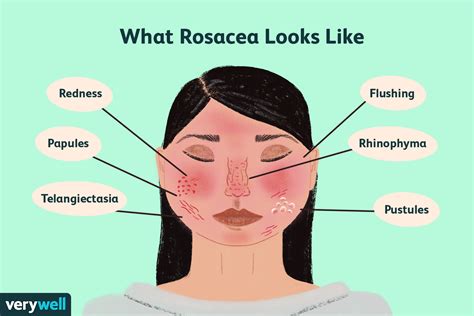
Rosacea is a common inflammatory skin condition of unknown cause that is seen most commonly in adults with fair skin and blue eyes, often of Eastern European ancestry. It is characterized by a combination of redness of the central face, including the cheeks, nose, chin, and forehead, along with flushing, tiny broken capillaries, sensitive skin, red bumps, and pimples. In rare, untreated cases, rosacea can lead to nodular swellings and irregularities of the nose.
While the exact cause of rosacea remains unclear, it is believed to involve complex mechanisms influenced by both genetics and environmental factors. The diagnosis of rosacea is typically based on a history of recurrent redness, flushing, pimples, and pustules, supported by a careful physical examination. It's important to note that rosacea is a manageable condition, but there is no permanent cure.
Key Steps in Managing Rosacea
The initial step in treating rosacea involves adopting a gentle skincare regimen. This includes using mild cleansers and moisturizers that contain sunscreen. It is highly recommended that patients with rosacea apply a moisturizer with sunscreen every morning, as ultraviolet light is a known trigger for the condition. Additionally, nightly moisturizing is important because rosacea-prone skin is more susceptible to irritation and dryness.
The second crucial step in managing rosacea is the avoidance of known triggers. These triggers can vary significantly among individuals. Some patients may experience flare-ups after consuming red wine or other alcoholic beverages, while others might react to spicy foods. Other common triggers include sun exposure, emotional stress, wind, hot beverages, and caffeine.
Understanding Rosacea Triggers
Rosacea can be triggered by a wide variety of factors, ranging from stress to spicy foods and red wine. This common condition can manifest as redness, flushing, pustules, and dilated blood vessels, often with unpredictable flare-ups. While there is no cure for rosacea, avoiding common triggers and maintaining the right skincare routine and products can help keep flare-ups at bay.
A 2021 study published in The Journal of Clinical and Aesthetic Dermatology highlighted the significant role diet can play. Alcohol, fatty foods, spicy foods, foods containing cinnamaldehyde, and histamine-rich foods could potentially trigger or worsen rosacea. It is essential to consult a medical professional for an accurate diagnosis, as not all facial redness is rosacea.
Rosacea Flare-Ups? Discover These Anti-Inflammatory Foods
Choosing the Right Skincare Ingredients for Rosacea
When selecting skincare products for rosacea, understanding which ingredients to look for and which to avoid is paramount. Gentle, dermatologist-recommended products can help combat dryness, calm redness, and provide a cooling effect. Beneficial ingredients include:
- Hyaluronic acid: Provides hydration.
- Azelaic acid: Helps reduce inflammation and redness.
- Ceramides: Support the skin barrier and retain moisture.
- Aloe: Soothes and calms irritated skin.
- Niacinamide: Helps maintain an even complexion while reducing redness and swelling.
- Zinc oxide, titanium oxide, or mineral-based sunscreen: Essential for sun protection without irritation.
Conversely, chemical sunscreens can make skin more prone to irritation and allergic reactions, and they may take time to become effective. Some common additives can be too harsh, stripping the skin’s natural oils and causing irritation.
Building a Simple Skincare Routine for Rosacea
Given that rosacea-prone skin can be sensitive to many products, a simple skincare routine is often best. This typically consists of a daily regimen including a cleanser, moisturizer, serum, and sunscreen. The fewer ingredients introduced to the face, the lower the likelihood of a negative reaction.
Key Components of a Rosacea Skincare Routine:
- Cleanser: A gentle cleanser is crucial to remove impurities without stripping the skin.
- Moisturizer: Essential for combating dryness and supporting the skin barrier.
- Serum: Can deliver targeted ingredients to soothe and calm the skin.
- Sunscreen: Daily use of broad-spectrum SPF is non-negotiable to prevent UV-induced flare-ups.
The National Rosacea Society (NRS) Seal of Acceptance indicates that a skincare product has been evaluated by dermatologists and does not contain ingredients generally unsuitable for sensitive rosacea skin. However, it's important to remember that individual reactions can vary, and consulting with a healthcare provider is always recommended.
Recommended Face Washes and Cleansers for Rosacea
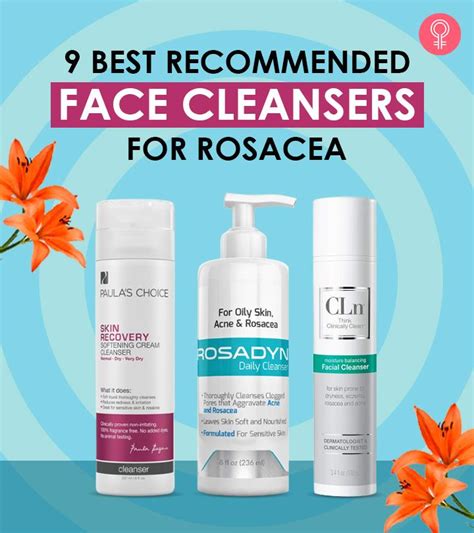
Dermatologists emphasize the importance of choosing gentle facial products for rosacea-prone skin. Cleansers should ideally be free from soaps and fragrances and should condition the skin as they cleanse.
Expert-Recommended Cleansers:
- Neutrogena Gentle Cleanser for Sensitive Skin: Praised for its hydrating glycerin, it's suitable for rosacea, eczema, and psoriasis.
- A gentle cleanser with minimum additives: Helps avoid flaring rosacea by reducing potential irritants.
- A cleanser with ceramides and hyaluronic acid: Cleanses the skin without a stripping sensation.
- A rich, creamy formula with hydrating ingredients: Such as soybean oil and chamomile flower extract, which moisturize and soothe without clogging pores.
When selecting a cleanser, look for options that do not contain harsh chemicals like sulfates, parabens, and phthalates. Ingredients like hyaluronic acid, glycerin, and ceramides are beneficial for hydration and strengthening the skin barrier.
Effective Moisturizers for Rosacea
Moisturizers play a vital role in managing rosacea by keeping the skin hydrated and supporting its natural barrier function. Ingredients like ceramides, niacinamide, glycerin, and prebiotics are particularly beneficial.
Dermatologist-Approved Moisturizers:
- Moisturizer with a mineral sunscreen: Helps prevent UV-induced flare-ups and contains ingredients to reduce redness and hydrate.
- Ultra-gentle moisturizer with a soothing blend: Infused with ceramides, niacinamide, glycerin, and prebiotics to restore the skin barrier.
- Non-prescription rosacea cream with a microbiome-balancing formula: Utilizes special technology to help restore the skin microbiome with minimal formulation.
- Light facial cream: A good option for those who prefer something richer than a serum but still want to combat redness.
- Cream with probiotic technology: Designed to reduce redness and provide a calming effect.
For those with oily skin types, some lightweight moisturizers may be sufficient as the sole moisturizer. For drier skin, a richer option might be necessary. Always follow up with a high-quality, non-comedogenic SPF.
Understanding and Differentiating Rosacea Types
Rosacea is often thought of as chronic blushing or flushing, but it is a complex condition with a wide range of symptoms. While the cause is unknown, genetics, an overactive immune system, and environmental factors are believed to contribute. Researchers suggest that rosacea is due to increased, unchecked inflammation.
It affects approximately 15 million people worldwide, often developing between the ages of 30 and 50. Rosacea is frequently misdiagnosed due to its resemblance to other skin conditions like acne, eczema, and allergic skin reactions, for which treatments can sometimes worsen rosacea.
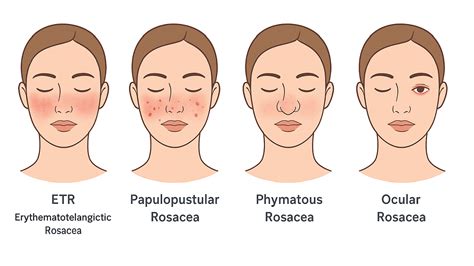
Common Subtypes of Rosacea:
- Erythematotelangiectatic Rosacea (ETR): The most familiar type, characterized by flushing and redness on the central face. It can progress from intermittent redness to persistent flare-ups and may involve tingling or stinging sensations.
- Papulopustular Rosacea: Also known as "acne rosacea," this type includes acne-like breakouts, such as inflamed nodules, papules, and pustules, in addition to ETR symptoms. Unlike typical acne, it lacks comedones (blackheads and whiteheads) and blemishes typically resolve faster (1-2 weeks).
Differentiating rosacea from acne is important, as treatments can differ. While acne blemishes usually take 6 to 8 weeks to resolve, rosacea blemishes typically resolve within 1 to 2 weeks. Sensitive blood vessels in the skin can also be a contributing factor to rosacea.
Ingredients to Avoid for Rosacea-Prone Skin
To prevent triggering or worsening rosacea, it's crucial to avoid certain ingredients known to cause irritation or sensitivity.
Ingredients to Avoid:
- High concentrations of alpha hydroxy acids (AHAs): Such as glycolic acid and mandelic acid, can irritate the skin.
- Overuse of retinol: Can dry out the skin, increasing sensitivity.
- Harsh chemicals: Including sulfates, parabens, and phthalates.
- Alcohol: Can be drying and irritating.
- Fragrances: Common irritants for sensitive skin.
When in doubt, it is advisable to perform a patch test before applying a new product to the entire face, and to consult with a dermatologist if the condition worsens.
Professional Treatments and Medical Advice
In cases where skincare and lifestyle modifications are insufficient, dermatologists may prescribe medications. Oral antibiotics like doxycycline are often effective, and topical treatments include ivermectin, azelaic acid, metronidazole, and benzoyl peroxide.
For ETR, procedures like Intense Pulsed Light (IPL) therapy can effectively target and destroy tiny blood vessels responsible for redness. The DermaV laser is another treatment that safely seals off unwanted blood vessels, reducing redness and improving complexion.
It is essential to remember that this content is not a substitute for professional medical advice, diagnosis, or treatment. Always seek the advice of your physician or other qualified health provider with any questions you may have regarding a medical condition.