As the temperatures rise, the desire to wear shorts and dresses intensifies, often highlighting how pale one's skin might be. While embracing pale skin is a valid choice, many individuals prefer to have a subtle, healthy-looking color. Traditional spray tans can be expensive and time-consuming, leading many to turn to self-tanners for a convenient solution. With the growing awareness and demand for cleaner beauty products, self-tanners have evolved significantly, offering natural-looking results without the risks associated with UV exposure. For those who are pale or seeking a sun-kissed glow without the commitment of a spray tan, self-tanning lotions offer an effective and accessible option.
The Evolution of Self-Tanners
Sunless tanners have made considerable advancements, moving away from the artificial-looking, orange hues of the past. Modern formulations are designed to provide a natural-looking glow that mimics a genuine tan. Self-tanning mousses are often recommended for their ease of application and ability to deliver an even, sun-kissed look. However, finding the right product that suits individual skin tones and preferences can still be a challenge. This is where detailed reviews and personal experiences become invaluable.

Understanding Self-Tanner Ingredients and Technology
The active ingredient in most self-tanners is Dihydroxyacetone (DHA), a sugar-based compound that reacts with the amino acids in the top layer of the skin to create a temporary color change. While DHA is generally considered safe for topical use, concerns have been raised about inhalation or ingestion, as it was approved by the FDA for external use only. However, recent research suggests that DHA is unlikely to be harmful in the quantities found in these products, though it may cause irritation for those with sensitive skin. Overall, self-tanners are a much safer alternative to UV tanning.
To enhance the tanning experience and improve results, many self-tanners incorporate additional ingredients:
- Erythrulose: Another sugar that helps stabilize DHA, contributing to a more natural color development.
- Moisturizing Emollients: These ingredients ensure a smooth, streak-free application and keep the skin hydrated.
- Encapsulation Technology: Used to improve the product's finish and neutralize the sometimes pungent smell associated with DHA.
Choosing the Right Self-Tanner for Pale Skin
For individuals with pale skin, the primary concerns when selecting a self-tanner are achieving a natural-looking color without an orange tint and ensuring ease of application to avoid streaks. Self-tanning experts often recommend starting with lighter shades or formulas that offer buildable color. The undertones of a self-tanner are crucial; violet-green undertones, for example, are favored for their ability to counteract any orange hues.
Application Techniques for a Flawless Tan
Achieving a streak-free tan relies heavily on proper application techniques. Experts offer several key recommendations:
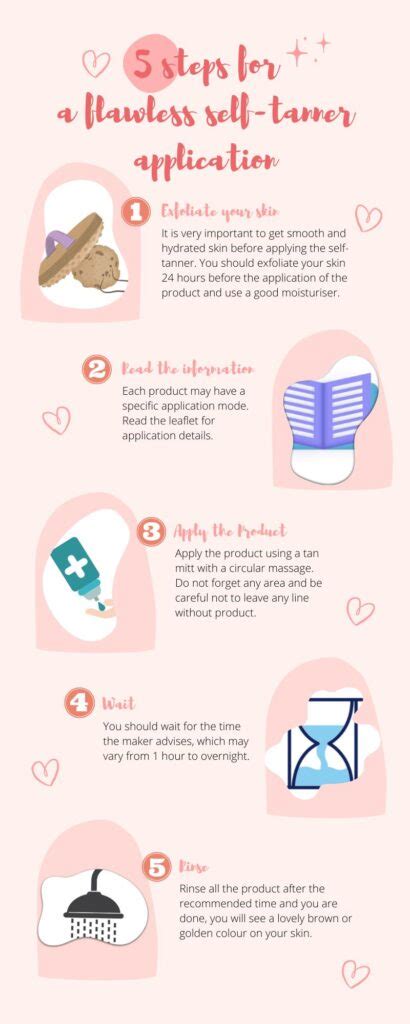
- Preparation is Key: Before applying any self-tanner, complete all other beauty maintenance such as waxing, manicures, hair coloring, and shaving. These treatments can remove self-tanner, leading to uneven results.
- Exfoliate Thoroughly: Self-tanner can sink into dry skin, creating dark patches. Exfoliating with a body scrub or a cleanser containing glycolic or salicylic acids removes dead skin cells, especially on rough areas like knees, elbows, ankles, and heels.
- Moisturize Strategically: While dry skin absorbs tanner unevenly, oils can interfere with DHA binding. Spot-moisturize areas prone to dryness or over-tanning, such as nostrils, knees, elbows, and ankles, to prevent them from becoming too dark.
- Application Method: It's generally easier to start with the legs and work your way up, finishing with the hands. Apply the product in small sections, rubbing it in thoroughly. Using a tanning mitt is highly recommended to ensure even coverage and prevent stained hands.
- Drying Time: Allow ample drying time before dressing or showering. Experts suggest waiting longer than the product's recommended drying time for extra protection against transfer.
- Post-Application Care: Avoid showering or sweating for at least six to eight hours after application. Use gentle cleansers and moisturize regularly to prolong the tan's lifespan.
Product Reviews and Recommendations
Finding the "best" self-tanner is subjective and depends on individual preferences. However, certain products have garnered praise for their performance on pale skin:
Coco & Eve Sunny Honey Bronzing Mousse
This express tanning complex is enriched with coconut extract, hyaluronic acid, and antioxidants, providing a long-lasting bronzed look. It delivers a deep, beach-bronzed tan in as little as one hour. Although it only comes in a dark shade, it is reported to work exceptionally well on pale skin, offering a natural glow when used in moderation or when one is in a hurry.
Glossier's Fake Tans
Glossier has a range of products that are popular among beauty enthusiasts. While not all editors at Glossier are fake tan advocates, the brand offers innovative solutions for achieving a sun-kissed look. The mention of Emily Ferber's personal spray tan gun from Mine Tan highlights the brand's engagement with advanced tanning technologies.
Beauty By Earth Self Tanner Tanning Lotion
This lotion has been lauded as a favorite for its ease of use and understated results, making it an excellent choice for self-tanning beginners. It goes on white, allowing users to track application without worrying about immediate stains on sheets or hands. The lotion dries within approximately 15 minutes and has a pleasant scent, often described as a mix of shortbread cookie and coconut, thanks to the coconut oil in its formula.
- Application: Can be applied with hands, though a mitt or brush can help with blending, especially for beginners or when using darker shades.
- Scent: Has a noticeable but pleasant coconut and shortbread scent.
- Results: Provides a natural, subtle glow without an orange hue or streaks. The color is buildable, allowing for control over the tan's depth.
- Longevity: Typically lasts a few days and may require weekly reapplication for sustained color.
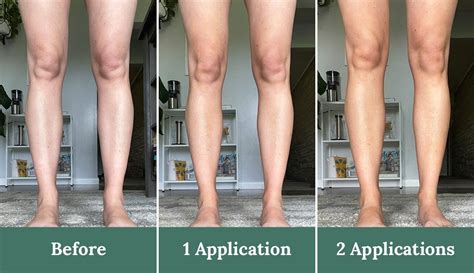
A friend with a darker skin tone, new to self-tanning, found the Medium to Dark shade easy to apply and appreciated its moisturizing properties. However, the results were less dramatic than hoped for with a single application, suggesting two coats or a thicker layer might be needed for deeper color on darker skin tones.
Other Notable Mentions
- St. Tropez Express Mousse: Recommended by most tan experts, this mousse offers a rich color with violet-green undertones that prevent an orange tint. It fades beautifully.
- Josie Maran Argan Oil Self-Tanning Body Oil: This oil offers an easy application, especially when used with a specially lined mitt. It provides a warm, brown color after a couple of applications and is hydrating, eliminating the need for additional lotion.
- Tan-Luxe The Face Illuminating Self-Tan Drops: These drops can be added to your existing moisturizer or serum for a customized facial tan.
- Vita Liberata Fabulous Untinted Gradual Lotion: A good option for those who prefer a very gradual, natural-looking tan that builds slowly over time.
Frequently Asked Questions About Self-Tanning
What are the best self-tanning tips?
The best tips involve thorough preparation, including waxing, shaving, and exfoliating. Apply tanner starting from the legs and working upwards, finishing with hands. Use a tanning mitt for even application and blend carefully around dry areas like knees and elbows. Allow adequate drying time before showering or dressing.
Is self-tanner bad for you?
Generally, self-tanners are considered much safer than UV tanning. The active ingredient, DHA, is safe for topical use. While there are minor concerns about inhalation, modern products and proper application techniques (like spraying onto a mitt) minimize these risks.
What should you look for in the best self-tanners?
Look for products containing DHA and potentially erythrulose for color stabilization. Ingredients like moisturizing emollients and encapsulation technology contribute to a smooth, natural finish and a pleasant scent. For pale skin, opt for formulas with violet-green undertones to avoid an orange hue.
How long does self-tanner last?
Self-tanner typically lasts between five to 10 days, depending on the formula and how well the skin is prepped and moisturized. Skin naturally sheds over this period, causing the tan to fade. Avoiding harsh exfoliants and products with active ingredients like retinol can help prolong the tan.
How do you achieve a streak-free tan with self-tanners?
Achieving a streak-free tan involves meticulous exfoliation, strategic moisturizing of dry areas, and careful application. Rubbing the product in thoroughly in small sections using a mitt is crucial. Allow sufficient drying time and avoid showering or sweating for several hours post-application.
Can you put self-tanner on your face?
It is recommended to use self-tanners specifically formulated for the face. Body self-tanners can be more comedogenic and oily, potentially causing breakouts on facial skin.
How do you remove self-tanner?
Mistakes can often be corrected with an exfoliating mitt on wet skin to lift unwanted color. Baby wipes can be used to dab away excess product during application. For full removal, gentle exfoliation after the tan has fully developed is effective.
How do you get self-tanner off of your hands?
Wash hands immediately after self-tanner application to prevent staining. If staining occurs, use an exfoliating scrub or mitt, similar to removing tanner from other body parts.