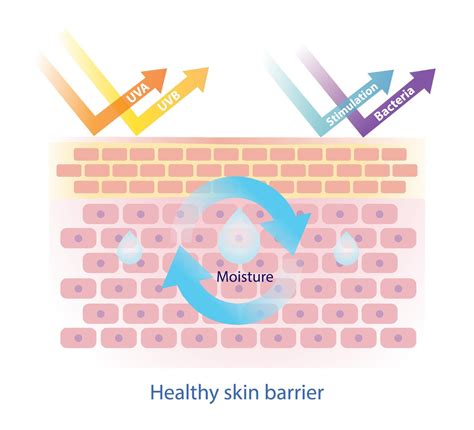
Acne-prone skin is often sensitive skin. Understanding this can help in choosing the right skincare products and ingredients. High concentrations of traditional acne-fighting ingredients like salicylic acid may not be suitable for very sensitive skin. Focusing on gentler ingredients that support the skin barrier, such as niacinamide, can be more beneficial. Various factors can influence breakouts, and consulting a professional is recommended for personalized advice. However, observing how your skin reacts to specific ingredients is a valuable starting point.
Dermatologists and estheticians offer insights into the best serums for fighting acne and addressing post-inflammatory hyperpigmentation (PIH). Serums are considered a crucial step in any skincare routine due to their concentrated formulas.
How to Choose the Best Serums for Acne
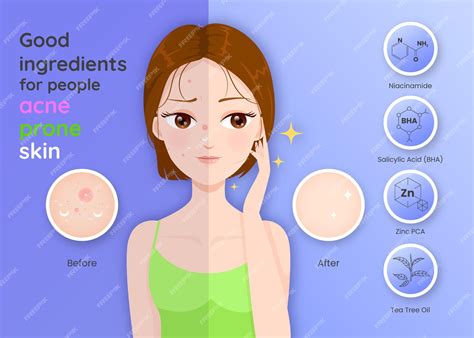
Board-certified dermatologists highlight three key ingredients for acne-prone skin: salicylic acid, niacinamide, and retinol.
- Salicylic acid, a beta hydroxy acid (BHA), helps to dissolve and break down excess sebum and oil trapped in pores.
- Niacinamide is a versatile ingredient that reduces inflammation, controls oil production, fades pigmentation, and strengthens the skin barrier.
- Retinol promotes cell turnover, stimulates new collagen synthesis, and helps keep pores clear of dirt and sebum.
Additionally, hydration is essential. Look for ingredients like hyaluronic acid and ceramides to hydrate and support the skin barrier. Azelaic acid is also beneficial for soothing and calming the skin, as well as addressing pigmentation.
It is crucial to avoid products that are comedogenic, meaning they can clog pores. For those dealing with acne scars, a combination approach is often recommended. Textural acne scars, which involve collagen loss, may require treatments like lasers, peels, microneedling, and radiofrequency, in conjunction with skincare containing growth factors.
Post-inflammatory hyperpigmentation (PIH) or erythema, often mistaken for scars, are pigment changes or lingering redness caused by inflammation or skin picking. These are treated as pigmentation issues using a combination of acids, retinols, and pigment inhibitors. Sunscreen is imperative, especially for pigmented skin, as sun exposure can worsen discoloration.
Other ingredients that can help with hyperpigmentation include azelaic acid, alpha hydroxy acids (AHAs) like glycolic acid or lactic acid, licorice root extract, and vitamin C.
Recommended Serums for Acne-Prone Skin
IS Clinical Active Serum
This serum offers a gentle resurfacing combination of lactic, salicylic, and glycolic acids to remove dead skin cells and prevent pore congestion. Its botanically derived active ingredients make it suitable for pregnancy and breastfeeding and a good alternative to retinol. It also provides anti-aging and brightening benefits, helping to improve hyperpigmentation and skin texture over time.
- Pros: Effective and gentle exfoliating ingredients, pregnancy-safe, helps remove cellular debris and congestion, botanically-derived ingredients.
- Cons: Expensive.
Customer Review: "This product does it all-exfoliates, prevents breakouts, and prevents fine lines and wrinkles."
Retinol Reform by Kate Somerville
This formulation features a pure and gradual release of retinol for efficacy and tolerance. Its lightweight, hydrating texture renews the skin, reduces lines and wrinkles, and enhances luminosity while fighting acne.
- Pros: Oil-free, reduces the look of fine lines, clears congestion, vitamin B3 soothes the skin.
- Cons: Not fragrance-free.
Customer Reviews: "This product has changed my skin! I have finally finished my first bottle and I have noticed my acne has been GONE ever since I started using it. I obviously have a spot here and there but it goes away fast using this product. I'm young so I don't have wrinkles to verify that it does help with that! But it makes my skin bright, bouncy, and it clears it up! I love it so much!!! it is one of the best retinols I have used!"
Paula's Choice 2% BHA Liquid Exfoliant
This serum contains AHAs and BHAs to smooth texture and clear congestion, refine the appearance of enlarged pores, and help fade hyperpigmentation.
- Pros: Contains AHAs and BHAs that smooth out texture and clear congestion, refines the look of enlarged pores, helps fade hyperpigmentation.
- Cons: May not be suitable for highly sensitive skin.
"A powerful yet soothing AHA and BHA acid serum that gently smooths, addresses the appearance of breakouts, and visibly refines pores for clear, hydrated skin."
The Ordinary Salicylic Acid 2% Solution
This serum combines salicylic acid (a BHA) with mandelic acid (an AHA), azelaic acid, and succinic acid. Strawberry extract provides natural exfoliating and antioxidant properties, working together to brighten the skin and reduce pore appearance.
Customer Review: "I got a sample in an Ipsy bag and noticed a change in my skin after just a few uses! I love how glowy it makes my skin look."
SkinCeuticals C E Ferulic
This serum offers powerful antioxidant protection, improves cell turnover, and helps fade hyperpigmentation. It is suitable for normal, oily, and combination skin types, neutralizing free radicals and brightening the complexion.
- Pros: Provides powerful antioxidant protection, improves cell turnover, helps fade hypierpigmentation.
- Cons: Expensive.
Customer Review: "My skin is noticeably brighter, and the sun spots on my forehead are barely visible now. My skin is clear and I am actually somewhat comfortable not wearing makeup for the first time in years."
Sunday Riley U.F.O. Ultra-Clarifying Face Oil
This hydrating face oil contains salicylic acid to clear congested pores, treat and prevent acne, and smooth the appearance of fine lines and wrinkles for clearer, smoother skin.
- Pros: Hydrating face oil with salicylic acid, clears congested pores, smooths the appearance of fine lines.
- Cons: Expensive.
Customer Review: "I have extremely sensitive skin that tends to break out easily, plus i’m allergic to niaciminade and this product literally saved my skin."
Dr. Dennis Gross Skincare Alpha Beta Extra Strength Daily Peel
This serum combines retinol and benzoyl peroxide, two potent anti-acne ingredients, to clear acne. It also contains peptides that fight premature aging.
- Pros: Combines retinol and benzoyl peroxide to clear acne, contains premature aging-fighting peptides.
- Cons: Expensive.
Customer Review: "Been using only four weeks now and not had a breakout since. This stuff is officially my holy grail. I’ve tried it all with trying to control my acne over the past 15 years (including prescription tretinoin) and Duality takes the cake. I could never find something that didn’t make my skin irritated and kept my acne away while also fighting scars. My holy grail. Wish I bought sooner. Take all my money this will be a staple in my skincare routine forever."
COSRX AHA/BHA Clarify Treatment Toner
This serum combines retinol with AHAs and BHAs to penetrate the skin, clear, and clarify acne-prone and congested skin. It also contains zinc to calm inflammation and redness.
- Pros: Addresses acne, hyperpigmentation, and fine lines in one, combines BHAs and AHAs to clear congested pores, contains zinc to calm inflammation and redness.
- Cons: Expensive.
"This serum packs a punch as it combines a retinoid with lactic acid, an alpha hydroxy acid, and salicylic acid, a beta hydroxy acid. Together, this combination works on overall tone and texture of the skin including fine lines and wrinkles while improving the appearance of pores and blemishes, making it a good option for those with oilier and blemish-prone skin as it also contains zinc PCA. Additionally, it contains niacinamide, sodium hyaluronate, and other nourishing ingredients to help moisturize the skin, so it won’t be left feeling dry or irritated."
The Ordinary Azelaic Acid Suspension 10%
This azelaic acid serum gently exfoliates and helps balance excess oil, reducing breakouts. It also improves the appearance of dark spots and blemishes. This creamy, lightweight emulsion absorbs easily and contains niacinamide for soothing effects without irritation.
- Pros: Affordable, contains azelaic acid to help reduce acne bacteria and gently exfoliate, helps improve the appearance of dark spots.
- Cons: Strong smell.
Customer Review: "I have rosacea that results in redness and pustules all over my nose and forehead and prior to this product had very unimpressive effects from other over-the-counter azelaic acid serums. This product was very easy to apply, gentle on my skin, and honestly cleared me up a little after just one day! It's been three weeks of using it morning and evening every day, and my skin keeps getting better and better: brighter, so much less redness, only a few pustules, and more youthful-looking."
Vichy Mineral 89 Prebiotic Recovery & Barrier Repair Serum
This serum, suitable for use once or twice daily, contains Vichy volcanic water, vitreoscilla ferment, and niacinamide to help repair the skin barrier and soothe the skin, combating signs of stress. When used at night, it has been shown to reduce irritation associated with retinoid use.
- Pros: Helps repair the skin barrier, soothes skin, fights signs of skin stress, reduces irritation.
- Cons: (No cons listed in the provided text).
Customer Review: "I've always had tricky skin: sensitive, hormonal cystic acne, noticeable pores, dryness/dehydrated. I tried this serum for the heck of it figuring that at 30, my skin is what it is...I am so incredibly impressed by the results. By week two, my jaw actually dropped as I did my morning cleanse. My skin has never felt so hydrated, soft, or smooth. My pores appear to be smaller and the tiny blackheads I'm prone to have not been appearing. I haven't been using the serum long enough to see if it will withstand my cycle hormones, but I have never been more confident in how my skin looks than I am right now."
Glow Recipe Watermelon Glow Niacinamide Dew Drops
This serum uses tranexamic acid, bakuchiol, and niacinamide to target dark spots and prevent new discoloration.
- Pros: Tranexamic acid, baukchiol, and niacinamide target hyperpigmentation.
- Cons: May take a while to see results.
Customer Review: "This product has made acne scars that I have had for years become less visible in just two weeks!"
Murad Vita-C Triple Exfoliating Warting Treatment
This serum utilizes resorcinol and tranexamic acid to minimize hyperpigmentation and uneven skin tone, along with glycolic acid to remove dull surface cells and brighten the skin's appearance.
- Pros: Improves skin cell turnover, utilizes resorcinol and tranexamic acid to minimize hyperpigmentation.
- Cons: Not fragrance-free.
Customer Review: "Murad is a great one for dark spots. It’s really worked well for my face. I had pregnancy dark spots for many years. Now I don’t because I use this product."
Renée Rouleau's Rapid Response Detox Masque
This fast-acting serum reduces hyperpigmentation and exfoliates with lactic acid and glycolic acid, helping active acne clear quicker. It can also cause sensitivity if overused.
- Pros: Fast-acting serum that reduces hyperpigmentation, exfoliates with lactic acid and glycolic acid, helps active acne clear quicker.
- Cons: May cause sensitivity if used too much.
SkinCeuticals Phyto Corrective Gel
This serum contains a copper tri-peptide complex that stimulates collagen production and vitamin C to lighten hyperpigmentation.
- Pros: Copper tri-peptide complex stimulates collagen production in the skin, lightens hyperpigmentation with vitamin C.
- Cons: Expensive.
Customer Review: "I love this product."
IS Clinical Brightening Complex
This serum contains brightening and exfoliating acids to lighten hyperpigmentation and reduce the appearance of active acne.
- Pros: Contains brightening and exfoliating acids to lighten hyperpigmentation and reduce the appearance of active acne.
- Cons: Expensive.
Customer Review: "I've tried a lot of brightening products and settled with phyto corrective to help with my redness. My esthetician recommended this and wow. Within weeks my redness/discoloration was gone and my skin is all the same pigment."
What to Look For in Acne Serums
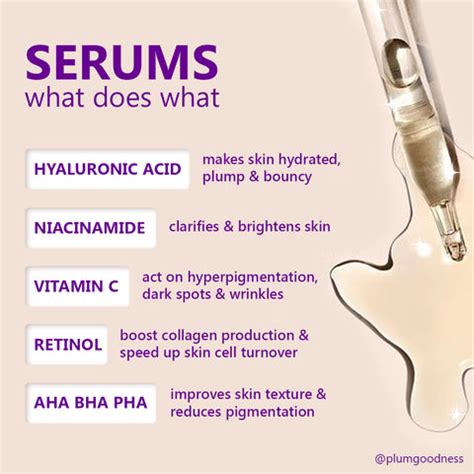
When selecting an acne serum, prioritize ingredients that target your specific concerns. For hydration, look for hyaluronic acid. For brightening, vitamin C is effective. For anti-aging benefits, consider serums with retinol or peptides. If you have sensitive skin, opt for serums free from harsh additives. Texture and absorption are also important; lightweight, fast-absorbing serums are generally best for acne-prone skin.
It's crucial to choose serums that are non-comedogenic to prevent pore blockage. Pay attention to potential side effects like irritation, dryness, or redness, and perform a patch test if you have sensitive skin. Be aware that high concentrations of ingredients like retinol and chemical exfoliants can be irritating for some individuals.
Key Ingredients in Acne Serums:
- Acne-fighting ingredients:
- Azelaic acid: Helps unclog pores, treats acne-causing bacteria and fungus, reduces inflammation, and fades dark spots. It's suitable for all skin types.
- Retinols: Vitamin A derivatives that treat signs of aging and can be effective for acne. They can cause dryness and increased photosensitivity, so nighttime use is recommended.
- Salicylic acid: A beta-hydroxy acid (BHA) that is oil-soluble, allowing it to penetrate pores and clear them of dirt and oil, thus preventing breakouts. It can also be drying and increase photosensitivity.
- Beneficial non-acne-specific ingredients:
- Hyaluronic acid: Attracts and retains moisture, providing essential hydration, especially when using drying acne treatments.
- Vitamin C: A potent antioxidant that helps fade post-inflammatory hyperpigmentation and even out skin tone.
- Niacinamide (Vitamin B3): Helps fade post-acne dark spots and inflammation, and repairs skin damage.
What to Avoid in Acne Serums
When choosing an acne serum, avoid products with pore-clogging (comedogenic) ingredients. Since serums are concentrated, be mindful of potential side effects such as irritation, dryness, redness, and itching. If you have sensitive skin, always perform a patch test before applying a new serum to your face. Some ingredients, even if considered beneficial, can be irritating in high doses, including retinol and chemical exfoliants like salicylic acid.
Incorporating Serums into Your Skincare Routine
Serums are typically applied after cleansing and toning, and before moisturizing. For optimal results, apply serums from the thinnest to the thickest consistency. Always follow up with a moisturizer to lock in the serum's benefits. During the day, apply sunscreen, especially if your serum contains ingredients that increase sun sensitivity, such as retinol or vitamin C.
- Cleanse your face to remove impurities.
- Apply toner (if used in your routine).
- Apply the face serum, starting with the thinnest consistency.
- Follow up with a moisturizer to seal in hydration.
- Finish with sunscreen during the day.
For PM routines, you can cleanse, apply your serum, and then moisturize. If using a prescription treatment like Curology, follow their specific application order.
Frequently Asked Questions about Face Serums
What causes skin concerns that serums can address?
Skin concerns such as aging, wrinkles, dark spots, and acne can stem from genetics, environmental damage, sun exposure, and lifestyle choices. Serums are formulated with concentrated key ingredients to target these specific issues.
How do I choose the right serum for my skin?
Identify your primary skin concerns (e.g., fine lines, dullness, acne) and select a serum with key ingredients known to address those issues. For example, vitamin C is beneficial for brightening, and hyaluronic acid is excellent for hydration.
Can serums be used on all skin types?
Yes, serums can be formulated for all skin types, including sensitive, oily, dry, or combination skin. It's best to choose a serum specifically designed for your skin type.
How often should I use a face serum?
Most serums can be used daily, typically once in the morning and once at night before moisturizing. However, some potent serums may require less frequent application; always follow the product instructions.
Are serums supposed to replace moisturizers?
No, serums are designed to complement moisturizers. Serums deliver concentrated ingredients to target specific concerns, while moisturizers hydrate the skin and lock in the serum's benefits.
Can I use multiple serums at the same time?
Yes, you can layer serums. Apply them from thinnest to thickest consistency, allowing each to absorb before applying the next. Be mindful of potential ingredient interactions.
Should I apply serum before or after sunscreen?
Apply serum before sunscreen. The serum penetrates the skin to address specific concerns, while sunscreen provides a protective barrier against UV damage.
How long does it take to see results from using a serum?
Results can vary depending on the serum's active ingredients and your skin type. Many users notice improvements within 4 to 6 weeks of consistent use.
Do serums expire?
Yes, serums do expire. Always check the expiry date, as potency can diminish over time, especially after opening. Store them in a cool, dark place to extend their shelf life.
Can serums cause breakouts?
While generally safe, potent ingredients or certain formulations can cause breakouts in sensitive individuals. This is sometimes referred to as "purging," which differs from irritation caused by harsh ingredients.