The question of whether a HydraFacial is safe during pregnancy is a common one, and the reassuring answer is generally yes. This popular, non-invasive treatment is designed to refresh, hydrate, and nourish the skin, making it a viable option for expectant and breastfeeding mothers. Many patients find that Hydrafacials help maintain a healthy glow, improve hydration, and support overall skin health during this special time. Clinicians can tailor each treatment to your skin’s unique needs, ensuring both safety and comfort throughout the process.
Wondering about Hydrafacials during pregnancy is completely normal, especially as your skin shifts with hormones. The reassuring answer: yes, this treatment is generally safe when your provider customizes it and omits specific actives that aren’t recommended while you’re expecting. As a medical-grade facial, it gently cleanses, exfoliates, and deeply hydrates, supporting that pregnancy glow while addressing dryness, congestion, or dullness. Choosing a prenatal-friendly protocol or a prenatal facial treatment tailored to your skin allows you to enjoy a fresh, radiant complexion without compromising your baby’s safety.
Understanding HydraFacial and Pregnancy Skincare
Pregnancy often brings unexpected skin changes, driven by shifting hormones and increased blood flow. While some women enjoy a natural glow, others may experience new or worsened skin concerns that require a gentler, more tailored skincare approach. Common skin changes during pregnancy include breakouts or acne due to increased oil production, dryness or flakiness, heightened sensitivity, and melasma. Because your skin may become more sensitive during pregnancy, selecting treatments that accommodate these changes is essential.
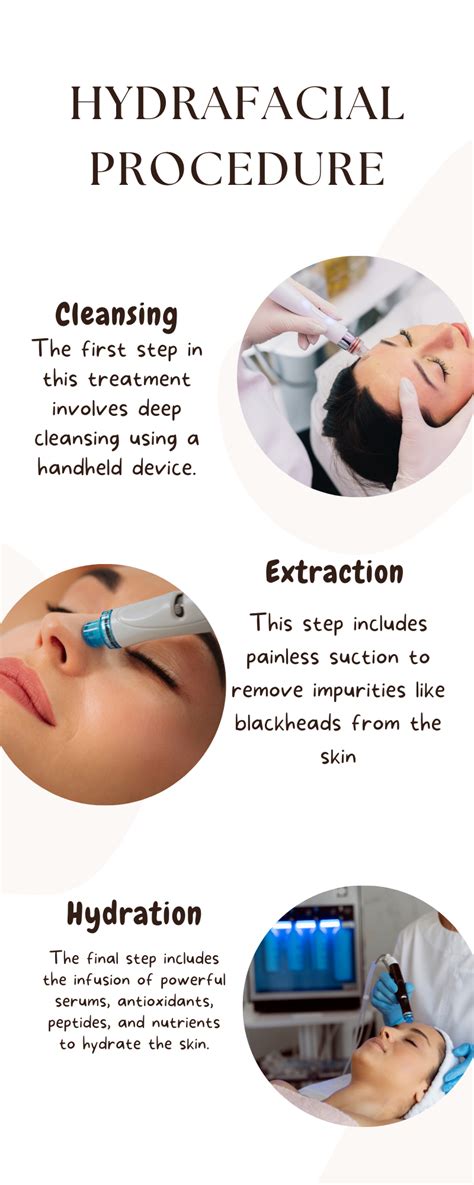
HydraFacial is a popular skin rejuvenation treatment that cleans, extracts, and hydrates the skin. This non-invasive skincare treatment fuses extraction, cleansing, and antioxidant properties. Being an effective treatment, HydraFacial is used to clean the skin profoundly and address many skin conditions, including acne. This treatment efficiently improves skin complexion, boosts skin health, and enhances overall beauty. One of the things that makes HydraFacial such a reputable treatment is that it is a customizable skin rejuvenation treatment that can also treat the skin based on the skin type. Doctors can make essential adjustments to address various skincare concerns.
The therapeutic deep-cleansing that HydraFacial offers takes care of unpleasant surprises that can come with pregnancy. Skin care therapy offers multiple treatments under one procedure. Enhancing your pregnancy glow with the HydraFacial treatment can help improve your skin in many ways based on your skin concerns and type. Treatments cleanse, extract, and hydrate the skin.
Is HydraFacial Safe During Pregnancy?
Medical professionals and skincare experts generally agree that the core technology of this non-invasive facial is safe for expectant mothers. The physical process of the treatment uses a specialized suction tool to remove impurities and a vortex-fusion delivery system to infuse hydration. Because this is a medical-grade facial, the serums used can be fully customized. Most OB-GYN recommendations suggest avoiding high concentrations of certain acids, but the mechanical exfoliation and deep hydration steps remain perfectly safe throughout all three trimesters.
Getting a HydraFacial while pregnant is safe. While taking extra precautions during a HydraFacial treatment, many pregnant women often wonder whether the techniques and serums used in the procedure are safe. However, some providers will recommend avoiding specific processes and products. They may also recommend substituting the products with other gentler products; besides ensuring the baby's and mother's safety, avoiding certain products also helps prevent pregnancy-related skin conditions such as heightened sensitivity. If you are pregnant, you must tell your provider about it before having a HydraFacial treatment. This will allow the provider to customize your treatment based on your current status and skin concerns.
Key Considerations for Pregnant and Breastfeeding Individuals
Yes, pregnant and breastfeeding women can now safely receive Hydrafacials. This treatment is non-invasive, gentle, and designed to refresh, hydrate, and nourish your skin. Our clinicians tailor each treatment to your skin’s unique needs, ensuring both safety and comfort throughout the process. Yes, Hydrafacials are safe for breastfeeding mothers.
As a pregnant woman, you must consider a few things before getting Hydrafacials. These factors include:
- Talking to a healthcare provider first: If you are considering getting HydraFacial therapy, you need to consult your healthcare provider to determine whether the treatment is safe for you and the baby.
- Know the ingredients: It is also vital to know and understand the elements in a HydraFacial treatment and discuss them with your provider to determine whether it has any potential effects.
- Know your health status: Before undergoing a HydraFacial while pregnant, go for a checkup to know whether you have any underlying medical condition.
- Health and safety should be your priority: As a pregnant woman, you need to prioritize your health and medical condition.
Skincare safety during pregnancy is about strategic modification rather than total avoidance, ensuring both mother and baby remain protected while achieving optimal results.
Ingredients to Avoid During Pregnancy
The primary reason for concern regarding facials during pregnancy is the systemic absorption of certain chemicals. While exfoliation during pregnancy is beneficial, you must ensure your provider swaps out specific boosters.
- Salicylic Acid: While wonderful for acne, salicylic acid pregnancy safety is a concern in high concentrations. Most providers will remove or significantly dilute this ingredient.
- Retinoids: All retinoids during pregnancy should be avoided, as they are linked to potential developmental issues.
- Chemical Sunscreens: It is recommended to switch to mineral-based blocks to avoid endocrine disruptors.
- Certain Peptides: Some advanced growth factor boosters have not been extensively studied in pregnant populations and are usually skipped out of an abundance of caution.
Some acids used in the process, like glycolic acid and lactic acid, are generally considered safe in low concentrations. However, salicylic acid is often avoided or used in very minimal amounts. Your provider will replace any questionable acids with a gentle hydrating treatment using hyaluronic acid or botanical extracts to ensure total safety.
Safe HydraFacial Protocols and Alternatives
Medical professionals and skincare experts generally agree that the core technology of this non-invasive facial is safe for expectant mothers. The physical process of the treatment uses a specialized suction tool to remove impurities and a vortex-fusion delivery system to infuse hydration. Because this is a medical-grade facial, the serums used can be fully customized. Most OB-GYN recommendations suggest avoiding high concentrations of certain acids, but the mechanical exfoliation and deep hydration steps remain perfectly safe throughout all three trimesters.
If you're planning treatments throughout your pregnancy, understanding the ideal HydraFacial schedule for glowing skin can help you maintain consistent hydration and radiance safely. A standard HydraFacial treatment provides significant relief for common issues like hormonal acne during pregnancy, dryness and dehydration, and uneven skin tone.
Pregnancy-safe facial treatments include:
- Dermaplaning: A manual exfoliation that removes dead skin and peach fuzz without any chemicals.
- Lymphatic drainage facial: This helps reduce the facial swelling and puffiness often experienced in the second and third trimesters.
- LED Light Therapy: Often used to calm inflammation and treat bacteria, though some practitioners prefer to wait until postpartum.
The safest treatments are those that rely on manual or mechanical processes rather than deep-penetrating chemicals. A customized HydraFacial, dermaplaning, or a simple hydrating botanical facial are top choices. These provide a pregnancy-safe skincare solution that focuses on nourishment and gentle exfoliation without any systemic risk.
When to Avoid Facial Treatments During Pregnancy
While most women can safely receive a facial, there are times when it is best to wait. If you are experiencing a high-risk pregnancy or have extremely sensitive skin during pregnancy, a consultation is mandatory. You should also postpone your appointment if you have active skin infections, open sores, or a recent flare-up of a condition like rosacea. Following trimester skincare guidelines usually means being most cautious during the first trimester when the baby is in the most critical stages of development.
If you notice excessive redness, burning, stinging, or prolonged irritation after a HydraFacial, it may not be suitable. These symptoms often result from the use of unsafe ingredients or overly aggressive exfoliation. Always stop treatment and consult your healthcare provider if this occurs.
HydraFacial for Pregnancy-Specific Skin Concerns
Pregnancy often brings unexpected skin changes-hormonal breakouts, dryness, and increased sensitivity-that can leave you feeling frustrated with your usual skincare routine. Many expecting mothers turn to treatments like HydraFacial to restore their glow, but it’s important to consider a few key factors before booking your appointment.
Does HydraFacial help pregnancy acne? Yes, a pregnancy-safe HydraFacial can help reduce acne by deeply cleansing pores and restoring hydration. It avoids harsh ingredients while targeting the hormonal breakouts common during pregnancy, offering a gentle and effective way to improve skin clarity and comfort. Because it uses vacuum suction to physically extract oil and debris from the pores, it reduces breakouts without the need for aggressive topical medications. It also calms inflammation, which is a major factor in prenatal skin flare-ups.
Can pregnancy cause skin sensitivity during facials? Pregnancy hormones increase blood flow to the skin, which can make it significantly more sensitive and reactive. You may experience more redness than usual after a treatment. A professional provider will adjust the suction power and serum intensity to accommodate this increased sensitivity and ensure a comfortable experience.
Is lymphatic drainage safe during pregnancy? Yes, a lymphatic drainage facial is a very safe and effective way to reduce the water retention and puffiness that many women feel in their face and neck. It uses very light, rhythmic pressure to move fluid toward the lymph nodes, promoting a more contoured and less inflamed appearance.
Optimizing Your HydraFacial Experience During Pregnancy
When opting for a HydraFacial during pregnancy, it’s crucial to select a qualified, experienced professional, preferably one who specializes in working with pregnant clients. At some medspa practices, professionals understand that pregnancy skincare requires a specialized approach. By working with a professional, you can ensure that all steps of your HydraFacial, from exfoliation to hydration, are performed using the safest products and techniques.
What is the best time to get a HydraFacial during pregnancy? The second trimester is typically the safest time. By then, hormonal changes have started to stabilize, and skin is less reactive. It’s ideal for gentle treatments like Hydrafacials that hydrate and refresh without using harsh ingredients that could affect your sensitive pregnancy skin. Many women prefer to wait until the second trimester, when their skin is less reactive to hormonal shifts.
Can you get a Hydrafacial in your first trimester? Yes, you can receive this treatment in your first trimester, but it is the most sensitive time for development. You must inform your aesthetician immediately so they can remove all salicylic acid and retinoids.
Do I need a doctor’s approval before a HydraFacial while pregnant? While not always mandatory, getting your doctor’s approval is strongly recommended. Your provider can help you determine if the treatment is safe, taking into account your pregnancy stage, skin sensitivity, and any underlying conditions you may have.
Is HydraFacial better than a regular facial during pregnancy? A modified HydraFacial can be a better choice because it's non-invasive and customizable. It gently exfoliates, cleanses, and hydrates without harsh chemicals, making it an ideal choice for addressing pregnancy-related skin concerns such as dryness, breakouts, and sensitivity.
In addition to Hydrafacials, there are a few simple steps you can take to keep your skin looking radiant and healthy during pregnancy: stay hydrated by drinking plenty of water, use pregnancy-safe skincare products free from retinoids and harsh chemicals, and protect your skin from the sun, as pregnancy often makes skin more sensitive to the sun.
As with any skincare treatment during pregnancy, the most important step is to consult with your doctor or obstetrician. They can help guide your decision and address any concerns you may have about skincare treatments.