As the body ages, wrinkles and sagging or crepey skin naturally appear. With age, the skin loses its ability to produce elastin and collagen, essential proteins that provide skin with its elasticity and firmness. Fortunately, numerous nonsurgical procedures have been developed in recent years to help tighten skin on the face and body using advanced technologies like radiofrequency, ultrasound, and lasers. While these treatments are nonsurgical, they should always be performed by a licensed professional under the supervision of a doctor.
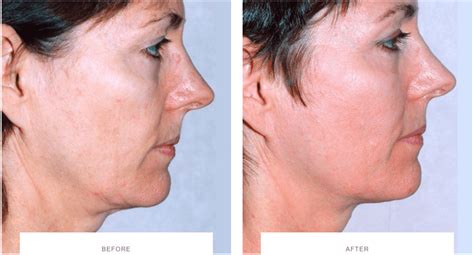
Nonsurgical Skin Tightening Technologies
The following treatments utilize devices to deliver targeted energy, heating the deeper layers of the skin to stimulate the production of collagen and elastin.
Ultrasound Skin Tightening
Micro-focused ultrasound is employed to deliver heat deep into the skin, penetrating up to 5 millimeters below the surface. This process can effectively tighten and lift skin on the face, neck, and upper chest, leading to a smoother appearance and reduced wrinkles. While noticeable improvements may be seen after a single treatment, the full results from ultrasound therapy can take up to six months to manifest.
Radiofrequency (RF) Therapy
Similar to ultrasound skin tightening, a handheld device is used to transmit heat into the skin, thereby triggering collagen production. However, radiofrequency targets the outermost layer of the skin, known as the epidermis. This treatment is FDA-approved for use on the face, neck, body, and hands. RF treatments can be enhanced by combining them with microneedling to address deeper skin layers. Results from RF therapy appear gradually, with many individuals noticing improvements after a single session. However, achieving desired outcomes may require two to six treatments. With a consistent skincare regimen, results can last up to three years.
Laser Treatment
Handheld lasers deliver heat deep into the skin, targeting the epidermis to reach the underlying dermis. Laser treatments have demonstrated particular effectiveness on the skin of the abdomen and upper arms. Most individuals undergo three to five treatment sessions.
Intense Pulsed Light (IPL)
IPL delivers multiple wavelengths of light to the deep layers of the skin. This treatment typically requires multiple sessions and is often combined with radiofrequency. The RF component allows the practitioner to target deeper skin layers, while IPL enables treatment of a larger skin area and various skin conditions. IPL treatments are generally not recommended for individuals with tanned or darker skin tones.
Fibroblast Skin Tightening (Plasma Fibroblast)
This technique uses a small, pen-like device to create tiny holes in the skin, activating fibroblast cells to initiate skin repair and regeneration. It is a non-invasive technique with a short recovery period. Small scabs will form and fall off within approximately a week, revealing smoother, tighter skin. While the FDA has approved several plasma pens for fibroblast skin tightening, the procedure itself has not received FDA approval.
Plasma Fibroblasting Treatment for frown lines ✨
Understanding Skin Aging and Laxity
Sagging skin is an inevitable consequence of aging. As we get older, our skin loses collagen and elastin, the proteins responsible for maintaining its tightness and plumpness. Additionally, the natural decrease in hyaluronic acid levels contributes to reduced skin moisture retention and a loss of volume, typically becoming noticeable in the early thirties. Aging is influenced by both intrinsic (chronological) and extrinsic factors. Intrinsic aging is a natural biological process involving cell regeneration slowdown and hormonal changes. Extrinsic aging is accelerated by environmental factors such as sun and UV damage, pollution, smoking, alcohol consumption, and poor diet.
Alternatives and Complementary Treatments
Beyond device-based treatments, several alternatives and complementary approaches can help address skin laxity.
Injectables
- Botox (botulinum toxin type A): When injected into specific muscles, Botox prevents them from contracting, leading to smoother-looking skin. Results typically appear within three days and can last for several months.
- Soft tissue fillers: These injections, which can include fat, collagen, and hyaluronic acid, plump the skin and smooth wrinkles. Their effects are temporary.
Topical Treatments
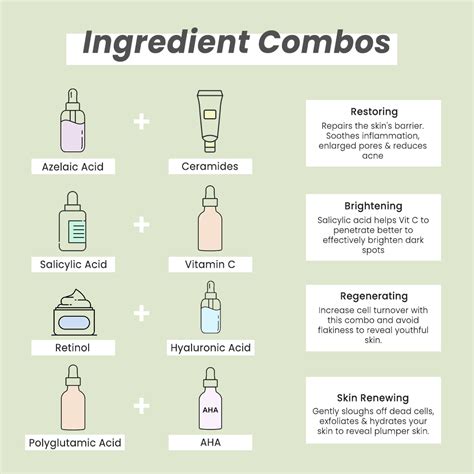
Over-the-counter and prescription topical treatments generally offer mild improvements. Products containing retinoids (such as adapalene, tazarotene, or tretinoin) are recommended for the best results. While it may take several months of consistent use, many individuals notice an improvement in fine lines and wrinkles.
Other beneficial ingredients to look for in topical formulations include:
- Vitamin C (ascorbic acid)
- Niacinamide
- Green tea extracts
- Peptides
- Alpha hydroxy acids (AHAs)
- Retinol
Regular use of moisturizers can help plump the skin, making it appear younger, while consistent sunscreen application prevents further skin damage.
Lifestyle Factors for Skin Firmness
Lifestyle choices play a significant role in maintaining skin firmness over time. These include:
- Strength training
- A healthy diet
- Adequate hydration
- Sun protection
Dietary supplements and consuming collagen-boosting foods can also contribute to improved skin elasticity and overall appearance. In general, non-surgical skin tightening procedures work by using targeted energy to heat deeper skin layers, stimulating collagen and elastin production, and gradually improving skin tone and texture. Some treatments also target fibrous tissue to help smooth cellulite.
Frequently Asked Questions
Does skin tightening really work?
Yes, nonsurgical skin tightening treatments can effectively improve skin elasticity. Therapies such as ultrasound, radiofrequency (RF), laser treatments, intense pulsed light (IPL), and fibroblast treatments are proven to be beneficial.
Can loose skin tighten back up naturally?
Yes, loose skin can be tightened through various methods, including diet, muscle-strengthening exercise, non-invasive medical procedures, and surgery. Lifestyle changes, proper hydration, and certain vitamins and supplements can enhance skin elasticity and appearance.
Do skin tightening creams work?
According to the American Academy of Dermatology, skin tightening creams are unlikely to produce dramatic results. While some minor, temporary firming effects might be observed, creams typically do not penetrate the skin deeply enough to achieve significant lifting or tightening. However, certain high-tech creams with active ingredients like retinoids, peptides, and vitamin C can offer noticeable, albeit subtler, improvements in skin laxity and act as a preventative measure.
What is the best way to tighten skin?
The optimal method for skin tightening depends on the specific area of the body. Nonsurgical options include ultrasound, laser, radiofrequency, intense pulsed light (IPL), and fibroblast skin tightening. Consulting with an experienced cosmetic surgeon is the best way to determine the most suitable treatment plan.
What causes sagging skin?
Sagging skin is primarily caused by aging, which leads to a natural decrease in collagen and elastin production. Other contributing factors include loss of fat in the skin's epidermis, resulting in reduced elasticity and volume, particularly in the cheeks and temples. Gradual loss of muscle tissue and bone can also affect the definition of the chin and neck. Hormonal changes, especially estrogen decline in women post-menopause, and extrinsic factors like UV exposure, pollution, smoking, alcohol, and poor diet accelerate the decline in collagen and elastin.
How to tighten eyelid skin without surgery?
For a non-surgical approach to lifting eyelids, treatments like Total Eye Lift, formulated with plant-based retinol and organic harungana, can be effective. Unlike traditional retinol, organic harungana is safe for the delicate eye area and can visibly lift eyelids while reducing puffiness and dark circles.
Body firming cream to use when losing weight
When losing weight, especially rapidly, the skin may not have enough time to adapt, leading to excess skin. Gradual weight loss is generally better for skin elasticity. Products containing ingredients that support collagen and elastin production, such as green microalgae, shiitake mushroom extracts, ginger root extract, grapefruit peel oil, and coffee arabica seed oil, can be beneficial for body firming. Caffeine can offer a temporary tightening effect.
Products to use during pregnancy and postpartum
During pregnancy, skin elasticity can be supported with firming and toning oils, applied daily after showering to damp skin. Postpartum, incorporating body-firming gels and creams, along with regular exfoliation, can aid in product absorption and skin recovery.
Face tightening treatment for perimenopause and menopause
During perimenopause and menopause, estrogen production decreases, impacting the function of fibroblasts responsible for collagen and elastin production. Treatments utilizing ingredients like harungana (a plant-based retinol alternative) can help support fibroblast function and boost collagen retention, addressing sagging skin and improving firmness.