The eyes are often described as the windows to the soul, cherished features that express individuality, beauty, and emotion. However, they are also among the first areas of the face to show signs of aging. Eyelid surgery, or blepharoplasty, in the Northern Virginia and Washington, D.C. area can significantly enhance your overall facial appearance by addressing the effects of aging around the eyes.
While women may notice laxity of skin and excess fat around their eyes sooner due to makeup application, and may seek eyelid lifts as early as their twenties, men typically consider this procedure later, often in their forties. Blepharoplasty can effectively replace the look of being tired or sleep-deprived with a refreshed, revitalized appearance, giving you that "just came back from vacation" look.
Understanding Eyelid Surgery (Blepharoplasty)
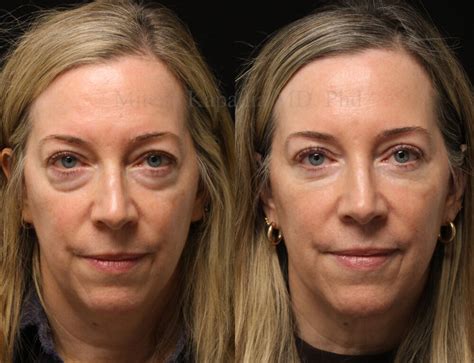
Blepharoplasty is a cosmetic and functional procedure designed to rejuvenate the eye area by removing excess skin, fat, and sometimes muscle from the upper and/or lower eyelids. As we age, the skin around the eyes naturally loses elasticity, becoming looser and more prone to sagging. Fat deposits can shift or bulge, contributing to a tired, aged, or puffy appearance.
Upper Eyelid Surgery
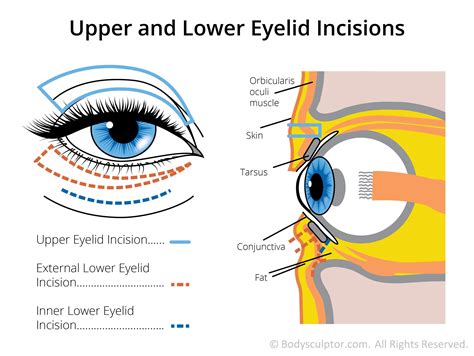
Upper eyelid surgery specifically addresses sagging skin, puffiness, and drooping that can obscure the natural eyelid crease. In severe cases, this drooping can even impair vision. Skilled surgeons like Dr. Bitar carefully mark the natural eyelid contours before making a precise incision within the crease, ensuring that any resulting scar is virtually invisible once healed.
Lower Eyelid Surgery
Lower eyelid surgery focuses on eliminating under-eye bags, puffiness, and fine wrinkles that contribute to a fatigued or prematurely aged look. Depending on the patient's anatomy and goals, surgeons may opt for a transconjunctival approach (incision inside the eyelid) for fat removal, which results in minimal visible scarring. Alternatively, a subciliary approach (just below the lash line) may be used when skin tightening is also required. This technique is widely recognized for its simplicity, safety, effectiveness, and consistently excellent results with a very low complication rate.
Who Are the Best Candidates for Eyelid Surgery?
Ideal candidates for blepharoplasty are healthy individuals concerned about excess skin, puffiness, or drooping around their eyes. These changes can be attributed to genetics, aging, or environmental factors, often making individuals appear more tired, sad, or older than they feel. Candidates should ideally be non-smokers or willing to quit before and after surgery, possessing realistic expectations and a clear understanding of the healing process. Patients with no untreated eye conditions, such as severe dry eye, glaucoma, or uncontrolled thyroid disease, are generally considered the best surgical candidates.
For those seeking lower eyelid lifts, the primary concern is often the appearance of "bags" under the eyes, which are typically pockets of fat. If only fat removal is necessary, the procedure can be straightforward, often involving an incision made on the inside of the lower eyelid. When both skin and fat need to be addressed, an incision is made just below the eyelashes. Excess skin is removed, and fat is excised from the lower lid, with scars that typically heal very well and are difficult to detect.
Preparing for Eyelid Surgery
An initial consultation is crucial to discuss the eyelid lift procedure and determine suitability. Your medical history will be reviewed, and you may be asked to undergo a physical check-up and laboratory tests to ensure you can safely undergo surgery. If you have existing eye conditions like dry eyes, glaucoma, or cataracts, consultation with an ophthalmologist for surgical clearance is necessary.
To minimize risks, you will be advised to stop taking medications that can cause bleeding, such as aspirin or NSAIDs (like Motrin or Ibuprofen), about a week before the procedure. Smoking cessation is also critical; patients are asked to stop smoking two weeks before and two weeks after surgery to ensure safety and optimize results.
Some practices offer the opportunity to speak with previous patients who have undergone similar surgeries, providing valuable insights into the experience and outcomes.
The Eyelid Surgery Procedure
Eyelid surgery is typically performed under anesthesia. For upper eyelid surgery, the incision is made in the natural crease of the upper eyelid, making it well-concealed. The incision may extend slightly beyond the outer corner into the crow's feet area. Excess fat, skin, and sometimes muscle tissue are removed.
For lower eyelid surgery, the incision is usually made just below the lash line. Excess skin and fat are removed, and any issues with loose muscles can be corrected. In cases where only fat needs removal, a transconjunctival incision (inside the lower eyelid) may be used, leaving no visible external scar.
The complexity of the procedure can influence the recovery time. Surgery on the upper or lower eyelids alone typically requires about a week off work, while addressing both simultaneously may necessitate two weeks of recovery.
Eyelid Surgery Recovery
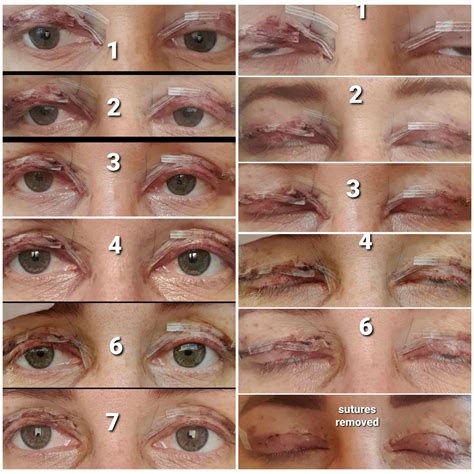
A comprehensive post-operative plan will be provided to ensure the best possible outcome. This plan outlines expectations regarding recovery time, pain management, dressings, and anticipated activity levels. It is essential to have an adult stay with you for at least the first 24 hours after surgery and drive you to your follow-up visit.
Activity will be limited for the first week or two, with restrictions on driving and prolonged travel. Exercise should be avoided until cleared by your physician, typically around four weeks post-surgery. Continued abstinence from smoking for at least two weeks is recommended to optimize healing.
A high-protein diet is advised to promote healing. Bruising and swelling are expected, similar to any surgical procedure, and light makeup can usually be used to cover bruises starting about a week after surgery. Regular post-operative appointments, including one the day after surgery and continuing for up to a year, are scheduled to monitor healing progress.
Some practices offer advanced technologies like Elixir MD, an LED-based device designed to accelerate healing, reduce inflammation, and enhance circulation, thereby shortening recovery time and improving surgical outcomes.
Maximizing Positive Outcomes and Choosing a Provider
At reputable institutions, patient safety is paramount. This includes performing surgeries in accredited surgical suites with board-certified anesthesiologists and nurses, adhering to strict protocols. A focus on peri-operative care, including early mobilization, optimal nutrition, and detailed care instructions, further ensures safety and enhances recovery.
Choosing a highly experienced and board-certified plastic surgeon in Northern Virginia is crucial for blepharoplasty. These surgeons are properly trained and equipped to perform the procedure safely and effectively, utilizing necessary sterilization procedures and skilled staff. Selecting a surgeon you are comfortable with and who has a track record of achieving natural-looking results is essential.
Some providers offer a comprehensive range of surgical and non-surgical options, including skin care, injectables, and laser treatments, providing a versatile approach tailored to individual needs.
Cost of Eyelid Surgery
The cost of eyelid surgery in the Northern Virginia and greater Washington, D.C. area can vary. Factors influencing the price include the complexity of the case, whether both upper and lower eyelids are addressed, and if the procedure is combined with other facial enhancements. A personalized consultation will provide a transparent cost estimate, typically including surgical fees, anesthesia, and post-operative care.
Final Results of Eyelid Surgery
The permanence of blepharoplasty results depends on the specific procedures performed. Fat removed to address bulges or under-eye bags will not return. However, the remaining skin will continue to age naturally, and fine lines may reappear over several years. If upper eyelid surgery was performed to correct drooping, this condition may recur as the forehead skin and muscles age.
Even if some aspects are not permanent, the results should last for several years, and potentially a lifetime, depending on factors like age at surgery and lifestyle. While blepharoplasty is primarily cosmetic, if excess skin on the upper eyelids interferes with vision (a condition known as dermatochalasis), insurance may cover the functional aspect of the procedure. A letter from an ophthalmologist or optometrist may be required for insurance claims.
Eyelid surgery can significantly rejuvenate the eye area, making you look more youthful and rested. It can also improve the application of makeup and, in cases of vision impairment, restore clearer sight.
Patient Testimonial: Upper Blepharoplasty
tags: #blepharoplasty #northern #virginia