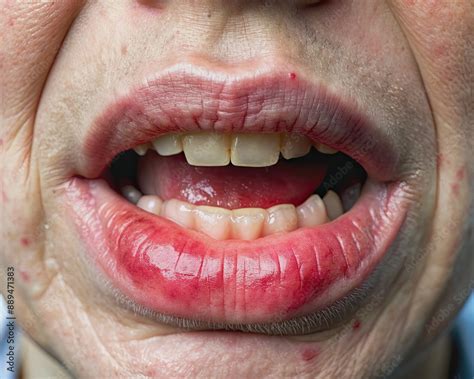
Lip licker’s dermatitis, also known as lip eczema or lip cheilitis, is a common form of dermatitis caused by irritation from saliva. This condition often manifests as a red rash around the mouth and can be effectively treated at home in most cases. It is a prevalent skin disease that affects many individuals, though it may not always be recognized or identified promptly.
Understanding Lip Licker's Dermatitis
The primary cause of this dermatitis is the constant exposure of the lips and the surrounding skin to saliva, which acts as an irritant. While people may ignore the initial symptoms and not take the condition seriously, skin irritation can occur anywhere on the body, particularly on and around the lips. This irritation arises from excessive licking and wetting of the lips or the area surrounding the mouth.
When lips feel dry or cracked, the natural inclination is to lick them for immediate relief. However, this action can exacerbate the problem. Environmental factors, such as cold and dry weather, significantly impact skin moisture, leading to chapped lips. Additionally, certain medications, whether ingested or applied topically, can cause lips to dry out quickly.
For some individuals, excessive lip licking can become a habitual coping mechanism for feelings like anxiety, nervousness, or boredom. While lip licker’s dermatitis is mainly triggered by external factors, some forms of eczema can also be influenced by immune system and genetic predispositions.
Causes and Contributing Factors
The fundamental cause of lip licker’s dermatitis is the repeated wetting and drying cycle that occurs when lips are excessively licked. Saliva contains digestive enzymes that can break down the delicate skin barrier, leading to irritation and inflammation.
Environmental and External Factors
- Dry and Cold Weather: Cold, dry air strips moisture from the skin, making lips prone to chapping and increasing the temptation to lick them. This is why lip licker’s dermatitis is often more prevalent during winter months.
- Medications: Certain oral medications or topical treatments can have a side effect of drying out the lips. It is advisable to be extra vigilant with lip moisturization when using new medications.
- Irritants: While saliva is the primary irritant, other substances that come into contact with the lips, such as certain ingredients in lip products or toothpaste, can also contribute to irritation.
Behavioral and Psychological Factors
- Habitual Lip Licking: This is the most direct cause. It can stem from a subconscious habit developed to manage stress, anxiety, boredom, or simply as a response to dry lips.
- Cognitive Impairment: In some cases, individuals with cognitive impairments or young children may have difficulty regulating impulsive behaviors like lip licking, making them more susceptible.
- Anxiety and Stress: Lip licking can serve as a self-soothing mechanism for individuals experiencing anxiety or stress.
Signs and Symptoms
Recognizing the signs and symptoms is the first step in managing lip licker’s dermatitis. The condition typically presents as:
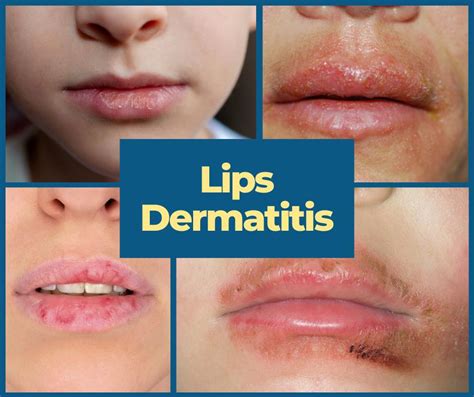
- Redness and Inflammation: A well-demarcated, symmetric ring of erythema (redness) around the lips, often involving the vermillion border.
- Dryness and Chapping: The skin becomes dry, flaky, scaly, and may appear cracked.
- Burning or Stinging Sensation: Some individuals experience a burning or stinging sensation in the affected area.
- Scaling and Crusting: In more persistent cases, there may be overlying red papules, scaling, crusting, or fissures.
- Hyperpigmentation or Hypopigmentation: In individuals with darker skin tones, the affected area might appear as a hyperpigmented (darker) or hypopigmented (lighter) ring rather than distinct redness.
- Itching: While itching can occur, it is typically less pronounced in lip licker’s dermatitis compared to allergic contact dermatitis.
The inside of the mouth and areas beyond the reach of the tongue are usually unaffected.
Differential Diagnosis
It is important to distinguish lip licker’s dermatitis from other conditions that can present with similar symptoms. A healthcare professional will consider the following:
Periorificial Dermatitis
This condition can affect areas around the eyes, nose, and mouth, particularly in children and young adults. It may appear as tiny red bumps in clusters. Unlike lip licker’s dermatitis, periorificial dermatitis often spares a narrow zone immediately adjacent to the vermillion border and can be associated with the use of topical or inhaled steroids.
Allergic Contact Dermatitis
This occurs due to an allergic reaction to substances that come into contact with the lips, such as lip cosmetics, toothpaste, food, or medications. While symptoms can be similar, a history of exposure to potential allergens and positive patch testing can help differentiate it. Allergic contact cheilitis is a specific type affecting the lips.
Atopic Dermatitis
This is a more generalized form of eczema that typically affects other areas of the body, often favoring flexural or extensor surfaces depending on age. While it can involve the lips, it is usually part of a broader pattern of skin involvement.
Seborrheic Dermatitis
This condition typically presents with erythema and greasy yellow scales, favoring the scalp, eyebrows, and nasolabial folds. A perioral distribution is less common.
Candidiasis (Angular Cheilitis or Perlèche)
This fungal infection can present similarly but usually occurs in the corners of the mouth, often in individuals with underlying illnesses or compromised immune systems. It typically responds to antifungal treatment.
Treatment and Management
The primary goal of treatment is to interrupt the cycle of irritation, restore the skin barrier, reduce inflammation, and prevent further moisture loss. The most crucial step is to eliminate the inciting factor: lip licking.
Behavior Modification
Breaking the habit of lip licking is paramount. This may involve:
- Awareness: Consciously recognizing when you are licking your lips and making an effort to stop.
- Behavioral Therapy: In some cases, techniques like habit reversal training may be beneficial, especially if the licking is related to anxiety or stress.
- Distraction: Engaging in activities that keep your hands and mouth occupied.
Skin Barrier Restoration and Soothing
- Emollients: Frequent and generous application of emollients, such as petroleum jelly, beeswax, cocoa butter, coconut oil, or shea butter, is essential. These create a protective barrier, help retain moisture, and soothe the skin. Applying them at least 5-10 times a day, and liberally at bedtime, is recommended.
- Lip Balm: Using a lip balm throughout the day, preferably one with sun protection, can help keep lips hydrated and comfortable.
- Avoidance of Irritants: Steer clear of lip products or toothpaste that may contain ingredients known to irritate your lips.
Medical Interventions
- Topical Steroids: For severe inflammation, a doctor may prescribe a short course of low- to mid-potency topical steroid ointments. However, chronic use should be monitored to prevent potential side effects like periorificial dermatitis.
- Topical Immunomodulators: In recalcitrant cases, tacrolimus ointment or pimecrolimus cream may be used to expedite resolution.
Addressing Underlying Causes
If lip licking is a coping mechanism for anxiety or stress, addressing these psychological factors through counseling or other therapeutic interventions may be necessary for long-term resolution.
Lipstick Hacks Every Mature Woman Should Know!
Patient Outcome and Prevention
With consistent management and a commitment to breaking the lip-licking habit, lip licker’s dermatitis can significantly improve. Educating the patient and parents about the condition's causes is vital for successful management. Continued use of emollients and minimizing lip licking are key to preventing recurrence.