Enlarged pores, particularly on the nose, are a common cosmetic concern that can impact skin texture and overall appearance. While genetics play a significant role in determining pore size, factors such as oil production, aging, and sun damage can further exacerbate their visibility. Fortunately, advancements in dermatological treatments, especially laser therapy, offer effective solutions for reducing the appearance of enlarged pores and improving skin quality.
Understanding Pores and Their Enlargement
Pores are small openings on the skin's surface that house hair follicles and sebaceous glands, which produce oil (sebum). This oil is essential for keeping the skin moisturized. However, several factors can lead to enlarged pores:
- Genetics: Inherited traits are a primary determinant of pore size.
- Oil Production: Individuals with oily or acne-prone skin tend to have larger pores as excess sebum can collect and stretch them.
- Aging: As skin ages, it loses elasticity and collagen support, causing pores to appear larger and more prominent.
- Sun Damage: UV radiation can break down collagen and elastin, contributing to skin laxity and enlarged pores.
- Improper Skincare: Squeezing pimples or acne can damage the surrounding skin and permanently enlarge pores. Clogged pores from dirt, makeup, and dead skin cells can also stretch them out.
Enlarged pores are most noticeable in areas with a higher concentration of sebaceous glands, such as the nose, cheeks, and central forehead. Certain ethnicities, including Asian, African, and Middle Eastern populations, may naturally have larger pores compared to those with fairer skin.
Topical Treatments vs. Advanced Interventions
For mild cases of enlarged pores, topical treatments can offer some improvement. These may include:
- Washing with specialized cleansers, such as those containing Beta Hydroxy Acids (BHAs) like salicylic acid.
- Using prescription Vitamin A creams (retinoids).
- Chemical peels, particularly those containing Alpha Hydroxy Acids (AHAs) like glycolic or lactic acid.
- Using mineral-based makeup and light moisturizers.
However, when pores are deeply enlarged or structural changes have occurred, topical treatments may not be sufficient. In such cases, advanced dermatological interventions are necessary to address the underlying issues.
Laser Therapy for Pore Size Reduction
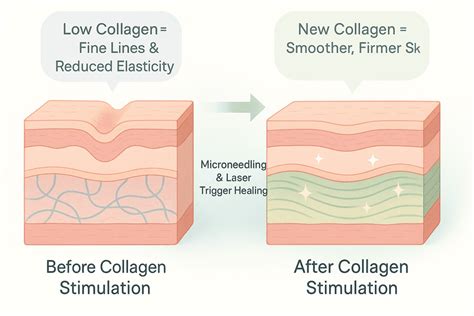
Laser treatments have emerged as a highly effective method for reducing the size and appearance of enlarged pores. These therapies work by targeting the deeper layers of the skin to stimulate collagen production and tighten the surrounding tissues.
How Laser Treatments Work
Laser devices deliver controlled energy to the skin, creating microscopic thermal zones. This process triggers the body's natural wound-healing response, leading to:
- Collagen Stimulation: Increased production of collagen and elastin, proteins crucial for skin structure and firmness. This added support helps tighten the skin around pore openings, making them appear smaller.
- Skin Remodeling: The laser energy helps to resurface the outer layers of the skin, removing damaged cells and promoting the growth of new, healthier skin. This refines skin texture and reduces irregularities that can exaggerate pore size.
- Sebum Regulation: Some laser treatments can also help regulate oil production, further contributing to pore clarity.
The combined effects of collagen remodeling and skin resurfacing lead to a noticeable improvement in pore appearance, resulting in smoother, tighter, and more refined skin.
Types of Lasers Used for Pore Reduction
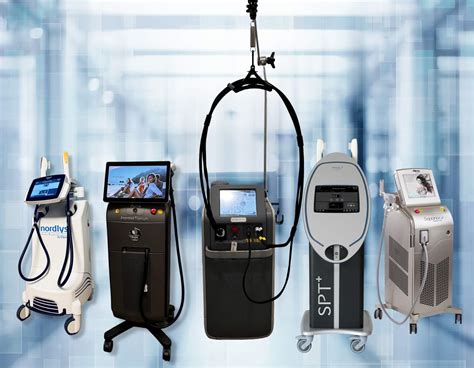
A variety of laser and energy-based devices can be employed to address enlarged pores, with the choice depending on skin type, pore severity, and desired outcomes:
- Fractional Lasers (e.g., Fraxel, Clear + Brilliant, LaseMD): These lasers create microscopic treatment zones, leaving surrounding skin intact for faster healing. They are effective for improving skin texture and stimulating collagen. 1927 Thulium lasers are often recommended for skin types 1-4, while diode lasers are also suitable.
- CO₂ Lasers (e.g., fully ablative, fractional CO₂): These powerful lasers resurface the skin and significantly stimulate collagen production. They are highly effective for deep pores and textural irregularities but involve more downtime. Fractional CO₂ lasers offer a balance between efficacy and recovery.
- Pico Lasers (e.g., PicoSure, third-generation Pico): Particularly useful for darker skin types (Asians, Latinos, Middle Eastern), Pico lasers utilize photoacoustic energy to target pigment and stimulate collagen remodeling, leading to pore shrinkage.
- Nano Spectra Lasers: Suitable for all skin types, these lasers can address various concerns, including pore size.
- eMatrix RF and Genius RF: These radiofrequency (RF) devices deliver energy below the skin's surface to remodel collagen and reduce pore size.
- Ablative Erbium Lasers: These lasers work by vaporizing water in skin cells, removing micro-layers of skin and stimulating collagen.
- Intense Pulsed Light (IPL): While primarily used for pigmentation, IPL can indirectly improve pore appearance by stimulating collagen and improving overall skin tone.
It is crucial to consult with a board-certified dermatologist to determine the most appropriate laser treatment based on individual skin characteristics and concerns.
Other Advanced Treatment Options
Beyond laser therapies, several other procedures can contribute to reducing the appearance of enlarged pores:
- TCA CROSS (Trichloroacetic Acid Chemical Reconstitution of Skin Scars): This technique involves applying high concentrations of TCA directly into deep pores or scars. It stimulates significant collagen production, helping to fill in and reduce the depth of pores. Multiple sessions are typically required, and it can be an excellent option for all skin types, including ethnic skin. However, post-inflammatory hyperpigmentation (PIH) can occur in darker skin tones.
- Chemical Peels: Specialist-strength glycolic, lactic, or retinoic acid peels can help exfoliate the skin and improve pore size.
- Radiofrequency Microneedling (RFM): This combines microneedling with radiofrequency energy, delivering heat to stimulate collagen production more effectively than traditional microneedling.
- Microneedling: While it can reduce pore size, it's important to use appropriate needle depths and devices to avoid potentially worsening the issue. RF microneedling is often preferred for its enhanced collagen-stimulating effects.
- Neurotoxin Injections (Botox/Dysport): Strategically injecting small amounts of neurotoxins can relax the muscles surrounding pores, leading to a temporary tightening effect and a smoother appearance.
What to Expect During and After Treatment
Laser treatments for enlarged pores are typically performed in a dermatologist's office. A numbing cream is often applied to ensure comfort during the procedure, which usually lasts between 10 to 30 minutes. Patients may experience a mild tingling or snapping sensation during treatment.
Post-treatment, the skin may appear red or slightly swollen, similar to a mild sunburn. This usually subsides within a few hours to a few days. Depending on the type of laser used, there might be some light peeling. Downtime is generally minimal, allowing most patients to return to their daily activities immediately or within a few days.
Multiple treatment sessions, typically spaced several weeks apart, are often recommended to achieve optimal and long-lasting results. The final outcome develops gradually as collagen production continues over several months.
CO2 laser skin resurfacing - ReNova Medical SPA
Cost and Longevity of Results
The cost of pore reduction treatments varies depending on the procedure, the number of sessions required, and the geographic location. TCA treatments can range from $490 to $990 per session, with 2-3 sessions usually recommended. Fractional laser treatments typically cost between $790 to $1290 per session, with 2 sessions often needed for best results. More intensive laser resurfacing procedures can start at $4900.
When successful, pore size reduction achieved through treatments like TCA and laser resurfacing can be permanent, as long as the supporting collagen network remains robust. However, the natural aging process can eventually lead to a gradual loss of collagen, potentially making pores more noticeable over time. Maintenance treatments may be recommended to sustain the results.
Risks and Considerations
While generally safe and effective, laser treatments carry some risks, including temporary changes in pigmentation (especially in darker skin tones), prolonged redness, or, rarely, infection. Scarring is uncommon when performed by an experienced practitioner.
It is crucial to choose a board-certified dermatologist who can accurately assess your skin type and concerns to recommend the most suitable treatment plan. Combining laser treatments with a consistent medical-grade skincare routine, including retinoids and sun protection, is essential for maximizing and maintaining results.