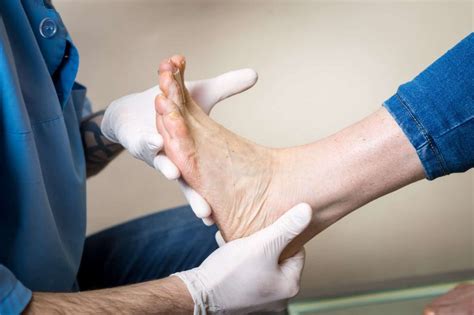
Our feet endure significant wear and tear daily, especially for athletes or individuals whose jobs require prolonged standing. Blisters serve as a protective mechanism, signaling the body's natural way of safeguarding feet from further damage. Calluses, on the other hand, primarily form to minimize the risk of blistering and protect feet from various types of friction. In certain situations, the presence of a callus combined with high friction levels can lead to blister formation, acting as a secondary layer of protection.
While some blisters resolve on their own, others can be persistent and painful. It is crucial to avoid puncturing or popping a blister, as this increases the risk of infection. When a blister forms beneath a deep, thick callus, seeking treatment from a board-certified podiatrist is often the safest and most effective approach. Blisters can be uncomfortable, particularly when trapped beneath thickened, hardened calluses. A qualified podiatrist can provide relief while prioritizing comfort and safety.
Blisters vs. Calluses: Key Differences and Characteristics
In foot care, blisters and calluses are frequently confused. Understanding the distinctions between them is vital for effective treatment and prevention. A blister is a small pocket of fluid that develops beneath the skin's surface due to friction or pressure. Conversely, a callus is an area of thickened, hardened skin that forms over time in response to repeated friction or pressure.
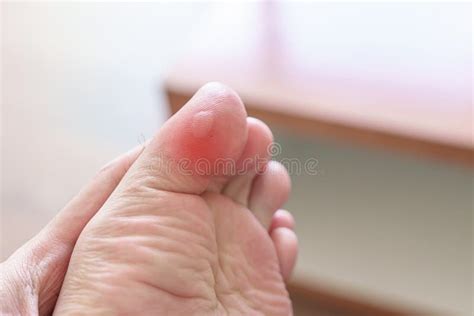
A primary contrast lies in their appearance. A blister typically presents as a raised bump filled with clear fluid, resembling a small bubble on the skin. Blisters often appear suddenly after intense friction or pressure on a specific skin area. In contrast, calluses develop gradually as a protective mechanism against repetitive irritation.
Blisters commonly occur on areas where the skin rubs against footwear or other surfaces, such as the heels, toes, or palms of the hands. In terms of sensation, blisters are generally more tender and sensitive than calluses. The fluid-filled sac within a blister acts as a cushion but can also cause discomfort, especially when pressure is applied.
Key Differences at a Glance:
- Blisters: Filled with fluid, often painful, temporary (heals in days), caused by short-term friction or heat.
- Calluses: Thickened, hard skin, usually painless unless very thick or cracked, longer-lasting, caused by long-term pressure/friction.
Understanding Blisters
What is a Blister?
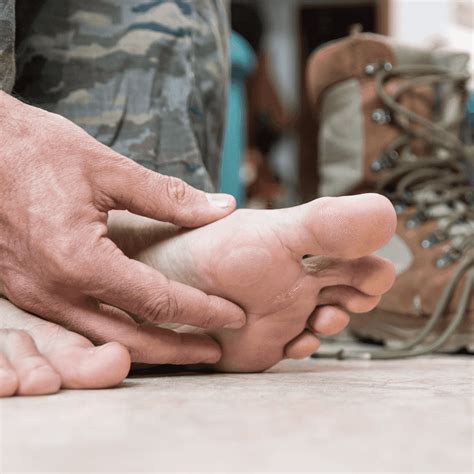
A blister is a bubble on the skin surface, ranging from pinpoint size to over an inch in diameter. It typically contains clear liquid, though it may also contain blood or pus. Blisters are distinct from pustules, which contain a thicker, yellowish-white material called pus.
What Causes Blisters?
Blisters can form for several reasons. The most common cause is friction, such as when shoes rub the wrong way or socks do not fit properly. Heat or burns, like sunburns or touching hot surfaces, can also cause blisters as the skin attempts to protect itself. Certain skin conditions, such as eczema, can also lead to unexpected blisters.
A friction blister is a soft pocket of raised skin filled with clear fluid, caused by irritation from continuous rubbing or pressure. Friction blisters most often occur on the feet, where tight or ill-fitting shoes can rub and irritate delicate toes and heels over extended periods. This type of irritation causes minor damage to the skin and the tissue just beneath it, leading to fluid accumulation just below the outermost layer of skin.
The skin covering the blister helps protect it from infection. Draining a blister is generally not recommended due to the risk of infection. However, under specific conditions, a doctor might suggest "popping" the blister with a sterile needle to allow the skin to reattach. It is important not to cut away the skin unless it is already torn and drying out.
Symptoms of a Blister
- Small, raised bump filled with fluid.
- Redness and irritation around the area.
- Pain, especially when touched or pressured.
How to Treat a Blister
When treating blisters, prompt action is essential to relieve discomfort and prevent infection:
- Leave It Alone: While tempting, avoid popping the blister. The fluid inside cushions and protects the underlying skin during healing.
- Cover It Up: Protect the blister with a specialized bandage, such as Compeed® Blister Plasters. These not only protect but also provide instant pain relief, reduce rubbing, and offer deep cushioning to aid healing.
- Drain If Necessary: For very large and painful blisters, draining may be required. Sterilize a needle and gently pierce the edge to release the fluid, leaving the top layer of skin intact for protection.
- Clean and Protect: If the blister bursts on its own, clean the area with antiseptic or saltwater to prevent germs. Pat it dry and cover it with a clean bandage for protection during healing.
For typical friction blisters, medical care is generally only needed if an infection develops. This is more likely if the skin over the blister has been pierced, broken, or popped. These types of blisters require monitoring for a few days to ensure proper healing. Seek immediate medical attention if you suspect an infection, notice significant redness, drainage other than clear fluid, or develop a fever.
Understanding Calluses
What is a Callus?
A callus is a thick, hard patch of skin that forms over time due to constant friction or pressure. Unlike blisters, which are soft and fluid-filled, calluses are dry, tough, and usually painless. They represent the skin's response to toughening up and protecting areas that experience regular friction.
A callus is an area of thick skin. Calluses form in areas with a lot of repeated rubbing over an extended period. The skin hardens from pressure and eventually thickens, developing a hard, tough, grayish or yellowish surface that may feel bumpy. Calluses on the hands often do not hurt and can facilitate repetitive actions, aiding activities like gymnastics or playing musical instruments. However, calluses on the feet can be painful due to constant pressure from stepping on them.
Foot calluses typically form on the ball of the foot, the outer sides of the big or little toe, or the heel. Tight shoes and high heels frequently cause calluses by placing excessive pressure on areas of the feet not accustomed to such stress.
What Causes Calluses?
Calluses usually form when the skin encounters repeated pressure or friction. For instance, slightly tight shoes or shoes that rub in specific spots can lead to calluses on areas of the feet that bear extra pressure. Even walking barefoot on hard surfaces can trigger callus formation as the skin builds a natural protective barrier.
Calluses begin with the development of dry, thickened skin due to repeated pressure caused by friction. Poorly fitting shoes and improper foot biomechanics are significant causative factors. Calluses form over pressure points to protect the skin from injury. In individuals with diabetes, the body may form excessive calluses, and combined with peripheral neuropathy (loss of sensation), this can lead to sores. As calluses build up, they can restrict blood supply to the underlying skin and cause damage. The pressure causing callus formation can also lead to bleeding, sometimes resulting in dark spots of dried blood within the callus.
Symptoms of a Callus
- Hard, thickened areas of skin, typically in locations experiencing frequent friction.
- Often yellowish or gray with a rough texture.
- Generally painless unless they become excessively thick or crack.
How to Treat a Callus
Treating calluses differs from treating blisters due to their non-delicate nature and lack of fluid:
- Soak and Exfoliate: Soak your feet in warm, soapy water for 10-15 minutes to soften the callused skin. Then, gently exfoliate using a pumice stone or foot file to reduce thickness. Move the tool in one direction only.
- Moisturize Regularly: Apply a foot cream to keep the skin soft and prevent further buildup.
- Use Cushions for Comfort: If calluses cause discomfort, specialized pads like Compeed® Callus Plasters can provide relief.
Calluses can be managed by wearing appropriate footwear and pads, keeping heels moisturized with skin care lotions, and using gel or liquid bandages to prevent further damage and promote healing. Using a pumice stone after bathing can help remove dead skin. However, excessive rubbing can cause raw and sore skin.
Understanding Corns
What is a Corn?
Similar to calluses, corns are also areas of hard, thick skin. They typically appear as a soft yellow ring of skin surrounding a hard, gray center. Corns often form on the tops or between the toes and can be painful. They result from pressure or repeated rubbing of the toes, usually developing after wearing shoes that are tight around the toe area.
How to Treat Corns
Corns generally take longer to heal. Using appropriate pads and comfortable, well-fitting shoes can help alleviate pressure. Applying a pumice stone after bathing can aid in removing dead skin. Special doughnut-shaped pads can be used to relieve pain and pressure by allowing the corn to fit into the central hole. Medicated pads containing salicylic acid can help remove dead skin, but individuals with certain health conditions, such as diabetes, should avoid them. If a corn persists and remains painful, consulting a podiatrist is recommended.
Prevention Strategies
The most effective approach to managing blisters, calluses, and corns is to prevent them from forming in the first place.
Preventing Blisters and Calluses on Hands
To avoid blisters and calluses on the hands, wear appropriate gloves or protective gear. For instance, use work gloves during yard work or palm protectors ("grips") for gymnastics.
Preventing Foot Blisters and Calluses
To keep feet free from calluses, choose footwear wisely. It's advisable to shop for shoes in the afternoon when feet are slightly swollen from daily activity. Try on both shoes and walk around before purchasing. Prioritize comfort over appearance; if shoes don't feel right, opt for a different size or width. Even favorite shoes should not be worn constantly; rotate footwear to allow feet to recover.
General Prevention Tips:
- Footwear: Wear shoes that fit well, are not too tight, and do not slide up and down your heel when walking.
- Socks: Wear socks with shoes to protect your feet and prevent irritation. Opt for moisture-wicking socks to reduce friction and keep feet dry. Consider specialized toe socks for added protection.
- Keep Feet Dry: Maintaining dry feet can help prevent irritation and blister formation.
- Lubricants: Applying lubricants can reduce friction and limit moisture, preventing skin breakdown. Products like Bodyglide are resistant to perspiration and water and perform well in various conditions.
- Taping: Taping susceptible areas, such as toes, with thin paper tape can provide protection. Avoid taping between toes, as this can cause friction.
- Break-in New Footwear: Avoid wearing new shoes without breaking them in first, as this significantly increases the risk of blisters.
- Inspect Feet Daily: Regularly check your feet for "hot spots" or early signs of irritation, and address them immediately to prevent blister formation.
- Soaking: For runners and athletes, soaking feet in Epsom salts and warm water after activity can aid recovery.
Shoe fitting to prevent blisters
When to Seek Medical Attention
While most blisters heal independently, certain situations warrant professional medical evaluation:
- Diabetes and Physical Limitations: Individuals with diabetes or physical disabilities that hinder self-care should have blisters evaluated by a foot specialist (podiatrist) or other healthcare professional. People with diabetes may have nerve or circulation issues that affect wound recognition and healing, potentially leading to unnoticed infections in simple foot blisters.
- Widespread or Unusual Blisters: Widespread blistering, itchy blisters, or blistering in areas not exposed to rubbing or pressure should be assessed by a physician.
- Signs of Infection: Seek immediate medical care if you suspect an infection, notice significant redness, drainage that is not clear fluid, or develop a fever. An infection is more likely if the skin over the blister has been broken.
- Blisters Under Calluses: If a blister forms beneath a thick callus, a podiatrist can safely treat it.
Untreated calluses and blisters can become infected or develop into non-healing wounds. Calluses should be regularly treated by a professional, and individuals with diabetes should not attempt to trim their own calluses. Daily self-foot inspection is crucial for individuals with diabetes, especially those with neuropathy.