Experiencing a blood pimple can be concerning, especially if you’re not sure what it is or how to handle it. A blood pimple, unlike a regular pimple filled with pus, is primarily filled with blood. These are also known as hemorrhagic acne and represent a specific type of acne characterized by the presence of blood within the lesion. They form when small blood vessels beneath the skin rupture, filling the pimple with blood. This condition is often more painful and noticeable than regular pimples due to the added pressure and inflammation caused by the trapped blood.
Unlike regular pimples, which contain pus made up of dead white blood cells, bacteria, and skin cells, blood filled pimples contain a mixture of blood and other fluids. This difference is primarily due to the rupture of blood vessels, which does not occur in typical acne. Regular pimples result from clogged pores due to excess oil and dead skin cells, while blood filled pimples have the added complexity of vascular damage.
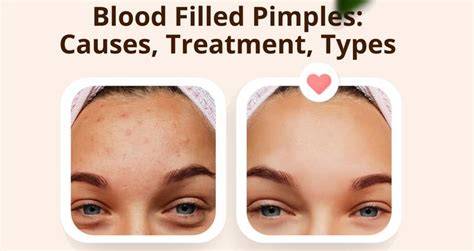
What Causes Blood Pimples?
A blood pimple typically arises due to trauma or pressure to a particular area of the skin. This can occur from squeezing a regular pimple too hard, leading to the rupture of small blood vessels beneath the skin. Blood filled pimples are easily identifiable by their appearance. They tend to be larger, redder, and more swollen than regular pimples. The presence of blood gives them a dark red or purplish hue, which can be alarming and unsightly.
Factors such as hormonal changes, stress, and certain skin conditions can make the skin more susceptible to blood pimples. Hormonal fluctuations can significantly impact acne severity, particularly in women. When blood vessels rupture, the area is more susceptible to bacterial invasion, complicating healing and increasing the likelihood of permanent scars. Understanding, treating, and preventing blood filled pimples is essential for healthy skin.
Common Contributing Factors:
- Trauma or Pressure: Squeezing regular pimples too forcefully can cause blood vessels to rupture.
- Inflammation: Intense inflammation within a pimple can lead to the rupture of small blood vessels.
- Hormonal Changes: Fluctuations in hormones, especially during adolescence or menstruation, can contribute to acne, including blood pimples.
- Bacterial Infections: While not the primary cause of bleeding, bacteria can exacerbate inflammation and contribute to pimple formation.
- Excessive Oil Production: Overactive sebaceous glands can lead to clogged pores, creating an environment where pimples can form and potentially bleed.
- Certain Skin Care Products: Some skincare products can irritate the skin, potentially leading to inflammation and the development of blood pimples.
Blood Filled Pimples vs. Regular Pimples
Blood filled pimples and regular pimples share some common causes, such as excessive oil production and bacterial infection. However, the key difference lies in the rupture of blood vessels, which does not occur in regular pimples. Blood filled pimples are more severe due to the combination of vascular damage and the typical causes of acne. The rupture of blood vessels adds a layer of complexity to the condition, making it more painful and challenging to treat. The risk of scarring and infection is significantly higher, requiring more diligent care and specialized treatment.
A blood filled pimple is typically more painful than a regular pimple. The rupture of blood vessels and the accumulation of blood create additional pressure and inflammation, leading to increased tenderness and discomfort. The risk of scarring and infection is higher with blood filled pimples compared to regular pimples.
Treatment Options for Blood Pimples
Treating blood filled pimples often begins with over-the-counter (OTC) topical treatments. These are accessible and effective for many individuals. Popular ingredients include benzoyl peroxide and salicylic acid. Benzoyl peroxide works by killing bacteria and reducing inflammation, making it ideal for treating blood filled pimples. Salicylic acid, on the other hand, helps to exfoliate the skin and clear clogged pores, which can prevent new pimples from forming.

Over-the-Counter Treatments:
- Benzoyl Peroxide: Kills acne-causing bacteria and reduces inflammation.
- Salicylic Acid: Exfoliates the skin, unclogs pores, and reduces inflammation.
For more severe cases, prescription medications may be necessary. Dermatologists often prescribe topical retinoids, which are derivatives of vitamin A. Retinoids help by promoting cell turnover and preventing the clogging of hair follicles. They are particularly effective in treating blood filled pimples due to their potent anti-inflammatory properties.
Prescription Treatments:
- Topical Retinoids: Derivatives of vitamin A that promote cell turnover and prevent clogged follicles.
- Oral Antibiotics: Used for severe or persistent cases to reduce bacterial growth and inflammation. Common antibiotics include doxycycline, minocycline, and erythromycin.
- Hormonal Treatments: For women whose blood pimples are triggered by hormonal changes, treatments like birth control pills or spironolactone can be highly effective.
Hormonal fluctuations can significantly impact acne severity, particularly in women. For those with blood filled pimples triggered by hormonal changes, hormonal treatments can be highly effective. Birth control pills are often prescribed as they regulate hormone levels and reduce the amount of oil the skin produces. Another option is spironolactone, an oral medication that reduces the effects of androgens (male hormones) on the skin.
Home Remedies and Professional Treatments:
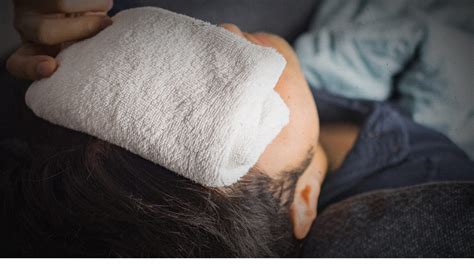
A warm compress can be a simple yet effective home remedy for blood filled pimples. Applying a warm compress to the affected area helps to increase blood circulation, which can reduce inflammation and pain. It also helps to draw out the contents of the pimple, promoting faster healing. Natural treatments are often sought after for their gentle and holistic approach to skincare. Tea tree oil is a popular natural remedy due to its antibacterial and anti-inflammatory properties. Applying diluted tea tree oil to a blood filled pimple can help reduce swelling and kill bacteria. Aloe vera is another effective natural treatment. It is known for its soothing and healing properties, making it ideal for reducing the redness and pain associated with blood filled pimples.
When over-the-counter and home remedies are not sufficient, professional treatments may be necessary. Dermatologists offer various procedures that can effectively treat blood filled pimples. One common treatment is corticosteroid injections. These are used to reduce severe inflammation quickly, providing relief from painful, swollen pimples. Another option is chemical peels, which involve applying a chemical solution to the skin to remove the top layers. Laser therapy is another advanced treatment option. It works by using intense light to reduce the bacteria on the skin and shrink the sebaceous glands, which decreases oil production. This can be particularly effective for preventing future blood filled pimples.
Professional Procedures:
- Corticosteroid Injections: Quickly reduce severe inflammation and pain.
- Chemical Peels: Remove the top layers of skin to promote healing and reduce blemishes.
- Laser Therapy: Reduces bacteria, shrinks oil glands, and minimizes inflammation.
Do not pop a blood pimple. Popping can make the pimple worse and increase the risk of infection or scarring. No, popping a blood pimple can lead to further irritation, potential infection, and scarring. It's best to let the pimple heal naturally or seek professional treatment.
Preventing Blood Pimples
A consistent daily skincare routine is crucial in preventing blood filled pimples. Cleansing and moisturizing are the foundational steps in maintaining healthy skin. Proper cleansing helps remove dirt, oil, and other impurities that clog pores and lead to pimples. It is essential to use a gentle cleanser that effectively cleans the skin without stripping it of its natural oils. Moisturizing is equally important, even for those with oily skin. A good moisturizer helps maintain the skin’s barrier, preventing it from becoming dry and irritated. Dry skin can lead to increased oil production, which can clog pores and result in blood filled pimples.
For those prone to blood filled pimples, it is advisable to use products containing ingredients known for their acne-fighting properties. Look for cleansers with salicylic acid or benzoyl peroxide, which help to keep pores clear and reduce inflammation.
Key Prevention Strategies:
- Consistent Skincare Routine: Cleanse twice daily with a gentle cleanser and moisturize with a non-comedogenic product.
- Avoid Touching Your Face: Transferring bacteria and oils from your hands can clog pores.
- Choose Non-Comedogenic Products: Select makeup and skincare items that are formulated not to block pores.
- Balanced Diet: Limit high glycemic index foods and dairy. Focus on fruits, vegetables, and omega-3 fatty acids.
- Stress Management: Practice relaxation techniques like yoga, meditation, or deep breathing.
- Adequate Sleep: Aim for 7-9 hours of quality sleep per night for skin regeneration.
- Hydration: Drink plenty of water to keep skin hydrated and healthy.
Diet plays a significant role in the health of your skin. Certain foods can trigger or exacerbate acne, including blood filled pimples. High glycemic index foods, such as sugary snacks, white bread, and processed foods, can spike blood sugar levels, leading to increased oil production and inflammation. Dairy products, particularly milk, have also been linked to acne. Incorporating the right nutrients into your diet can help maintain clear and healthy skin. Foods rich in omega-3 fatty acids, such as fish, flaxseeds, and walnuts, have anti-inflammatory properties that can help reduce the occurrence of blood filled pimples. Vitamin A, found in carrots, sweet potatoes, and spinach, helps to regulate skin cell production and prevent clogged pores.
Stress is a well-known trigger for acne, including blood filled pimples. When you are stressed, your body produces more cortisol, a hormone that can increase oil production and inflammation in the skin. Managing stress through relaxation techniques, such as yoga, meditation, and deep breathing exercises, can help reduce the likelihood of acne flare-ups. Adequate sleep is essential for maintaining healthy skin. During sleep, the body undergoes repair and regeneration processes, which are crucial for skin health. Lack of sleep can disrupt these processes, leading to increased inflammation and a higher risk of developing blood filled pimples. Hydration is another critical factor in preventing blood filled pimples. Drinking plenty of water helps to keep the skin hydrated from the inside out, maintaining its elasticity and preventing dryness. Dry skin can lead to increased oil production, which can clog pores and cause pimples.
Managing Stress: Good for Your Health
To further prevent blood filled pimples, avoid touching your face with unwashed hands, as this can transfer bacteria and oils that clog pores. Also, choose makeup and skincare products labeled as non-comedogenic to ensure they do not block pores. When dealing with a blood filled pimple that won't go away, it's essential to consult with a dermatologist. Persistent blood pimples may require stronger, prescription treatments to resolve effectively. If you notice a bloody pimple or a pimple filled with blood, it's crucial to avoid popping it, as this can lead to further infection and scarring. For those with a blood pimple on their face, maintaining a strict skincare regimen is vital.
Blood pimples are more painful because they involve the rupture of blood vessels, leading to increased inflammation and pressure. The presence of blood and additional fluid can make these pimples more sensitive to touch. For treating blood pimples, look for products containing salicylic acid, benzoyl peroxide, or retinoids. These ingredients help to clear pores, reduce inflammation, and promote skin cell turnover.
Yes, blood pimples can cause scarring if not properly treated. The increased inflammation and rupture of blood vessels make them more prone to leaving scars. Avoid picking or popping the pimples and seek professional treatment if necessary to minimize the risk of scarring. Proper skincare and timely intervention are crucial in preventing long-term damage. While blood pimples are usually not a sign of a serious health issue, they can be more severe than regular acne and may require medical treatment. If you experience persistent or severe blood pimples, it's advisable to consult with a dermatologist. Mild cases of blood pimples can sometimes be managed with over-the-counter treatments and proper skincare. If a blood filled pimple won't go away, it's important to consult a dermatologist. Persistent pimples can indicate an underlying issue that needs professional attention. Managing a bloody pimple on your face requires gentle care. Cleanse your face with a mild cleanser twice daily, apply a non-comedogenic moisturizer, and avoid picking or squeezing the pimple. Using over-the-counter treatments with salicylic acid or benzoyl peroxide can help reduce inflammation.