Dermaplaning is a popular cosmetic procedure that involves exfoliating the skin using a specialized blade to remove dead skin cells and fine facial hair, often referred to as "peach fuzz." This treatment aims to reveal smoother, brighter, and more radiant skin, making it a favorite for those seeking improved skin texture and tone. While often performed by dermatologists, aestheticians, or cosmetologists in a professional setting, the increasing availability of at-home devices has made this treatment accessible for individuals to perform themselves.
Understanding Dermaplaning
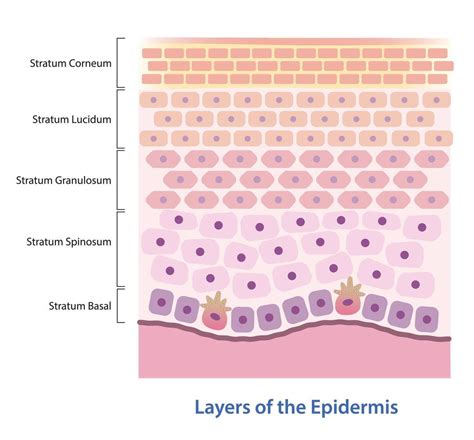
At its core, dermaplaning is a form of exfoliation. A sharp, sterile tool, similar to a scalpel or a specialized dermaplaning blade, is used to gently scrape away the outermost layer of the epidermis. This process not only removes dead skin cells but also eliminates fine vellus hairs, which can trap dirt and oil, contributing to a dull complexion. The superficial nature of the scraping ensures that the procedure is generally painless and requires minimal to no downtime.
Dermaplaning vs. Dermabrasion and Microdermabrasion
It's important to distinguish dermaplaning from similar skin resurfacing treatments:
- Dermaplaning is a manual exfoliation technique that removes the outermost layer of skin and vellus hair using a blade.
- Dermabrasion is a more aggressive procedure that uses a rotating abrasive instrument to remove deeper layers of skin, often used for more significant skin concerns like deep wrinkles and scars.
- Microdermabrasion uses fine crystals or a diamond-tipped wand to gently sand the skin, targeting the stratum corneum (the very top layer of skin) for mild exfoliation.
Dermaplaning can be considered a deeper form of exfoliation than microdermabrasion, as it removes more of the epidermis. Unlike microdermabrasion, dermaplaning is also effective at removing facial hair.
Benefits of Dermaplaning
The advantages of dermaplaning extend beyond just smoother skin:
- Exfoliation: Removes dead skin cells, revealing fresher, healthier skin beneath.
- Hair Removal: Eliminates fine vellus hairs, which can make makeup application smoother.
- Improved Product Penetration: By removing the barrier of dead skin cells and hair, skincare products can penetrate more effectively.
- Mild Wrinkle Reduction: The controlled injury to the skin stimulates collagen production, which can help plump the skin and reduce the appearance of fine lines.
- Unclogging Pores: Can help remove blackheads and comedones by exfoliating the surface.
- Brighter Complexion: Results in a more radiant and even skin tone.
The Dermaplaning Process
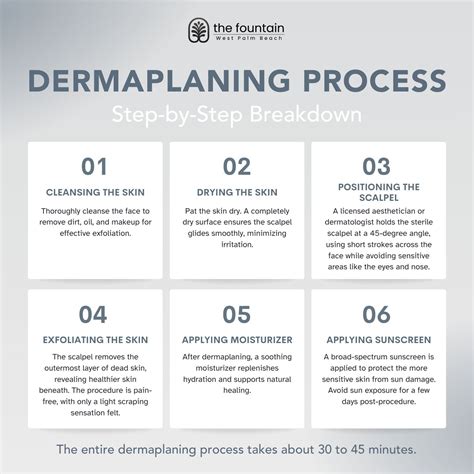
Before Dermaplaning
Whether you are undergoing the procedure professionally or at home, preparation is key. A healthcare provider, such as a plastic surgeon, dermatologist, or cosmetologist, will typically:
- Discuss your aesthetic goals.
- Examine your skin to ensure it's healthy enough for the procedure.
- Explain the entire process, including pre- and post-treatment care.
- Review your health history.
- In some cases, take "before" photos to document results.
- Provide specific instructions, which may include avoiding smoking for a period before the procedure to aid in faster healing.
For at-home dermaplaning, thorough preparation involves having the correct tools and ensuring your skin is clean and dry.
During Dermaplaning
Professional dermaplaning does not usually require anesthesia, though a numbing cream or spray might be applied beforehand. You might feel a scratching or stinging sensation, but the procedure is typically not painful. A specialized instrument, often referred to as a dermatome or a scalpel-like tool, is used to gently shave off the top layers of skin and hair. After the treatment, a soothing gel or ointment may be applied to reduce any redness or irritation. The duration of the procedure can vary from a few minutes to an hour and a half, depending on the area being treated.
After Dermaplaning
Following dermaplaning, your skin may appear red, slightly swollen, and tender. Over-the-counter pain medication can help manage any discomfort. It's crucial to follow post-care instructions to promote healing and prevent complications. This typically involves cleansing the skin gently and applying hydrating moisturizers or serums. Avoiding harsh skincare products, excessive sun exposure, and strenuous activities for a short period after the procedure is also recommended.
At-Home Dermaplaning
The rise of at-home dermaplaning devices has made this treatment more accessible. These devices are designed with safety features to replicate the professional experience in a DIY setting.
Choosing At-Home Devices
There are various at-home dermaplaning tools available. Some popular options include:
- Dermaflash Luxe: A tech-forward device that uses sonic vibrations and a proprietary stainless steel edge. The sonic vibrations are designed to reduce friction and stimulate circulation. It often comes with single-use blades for hygiene.
- StackedSkincare Dermaplaning Tool: Another option that utilizes an angled, replaceable blade for effective exfoliation.
When selecting a device, look for features like angled blades for safe application, replaceable blades for hygiene, and potentially safety guards to prevent nicks and cuts.
How to Dermaplane Your Face at Home
Performing dermaplaning at home requires careful attention to technique:
- Preparation: Ensure you have a clean, sharp dermaplaning tool. Cleanse your face thoroughly to remove all makeup, dirt, and oils. For optimal results, your skin should be completely dry.
- Cleansing: Use an oil-free facial cleanser to prep your skin. Some at-home kits may include a specific cleanser or primer.
- Dermaplaning Technique:
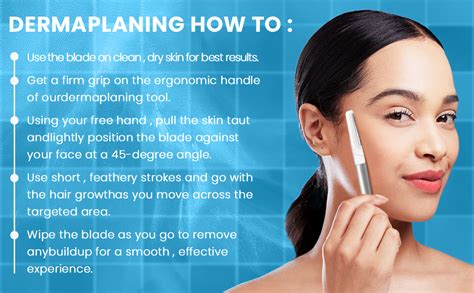
- Hold the dermaplaning tool in your dominant hand.
- With your free hand, pull the skin taut in the direction opposite to your strokes.
- Hold the blade at a 45-degree angle to the skin, applying light pressure.
- Use short, downward strokes, starting from your cheekbones and moving towards your jawline.
- Work in small sections, and avoid going over the same area more than once or twice.
- Be cautious around sensitive areas like the eyes, lips, and nose. Avoid dermaplaning over inflamed or broken skin.
- Regularly wipe the blade clean with a tissue or cotton pad.
- Post-Dermaplaning Care: Rinse your face with lukewarm water to remove any residual hair and skin cells. Pat your face dry gently. Apply a hydrating serum or a gentle moisturizer to soothe and replenish the skin. Avoid using potent active ingredients like retinoids or Vitamin C on the day of treatment.
Important Considerations for At-Home Dermaplaning
While at-home dermaplaning offers convenience, it's essential to exercise caution:
- Skin Type: Individuals with normal, dry, or combination skin are generally good candidates. Oily and acne-prone skin types can also benefit but may need to dermaplane less frequently. Sensitive skin types should proceed with extreme caution and consider patch testing.
- Avoid Potent Actives: Refrain from using harsh skincare ingredients like retinoids, benzoyl peroxide, or high-concentration Vitamin C on the day of dermaplaning, as this can increase the risk of irritation.
- Tool Hygiene: Always use a clean, sharp blade and never share dermaplaning tools to prevent the transfer of bacteria. Replace blades regularly.
- Listen to Your Skin: If you experience significant discomfort, irritation, or rashes, discontinue use and consult a professional.
Dermaplaning vs. Hair Removal
While dermaplaning does remove fine facial hair, it's primarily an exfoliation treatment. The hair removed is typically vellus hair (peach fuzz), which grows back finer and is not affected at the follicle level. Therefore, dermaplaning does not lead to thicker or coarser hair regrowth. For thicker facial hair, other hair removal methods might be more suitable.
DERMAPLANING FACIAL WITH LASER SKIN REJUVENATION | CANDELA GENTLEMAX PRO | SKINCARE HOW-TO
When to Seek Professional Help
While at-home dermaplaning can be effective, professional treatments offer several advantages:
- Expertise: Licensed professionals have the knowledge and skill to perform the procedure safely and effectively, tailoring it to your specific skin type and concerns.
- Medical-Grade Tools: Professionals use specialized, medical-grade tools and techniques that may be more effective for addressing complex skin issues.
- Safety: For those with sensitive skin, underlying skin conditions, or concerns about nicks and cuts, a professional setting provides a higher level of safety and assurance.
If you experience persistent irritation, rashes, or any unusual symptoms after dermaplaning, it is recommended to consult your dermatologist or esthetician promptly.