Boob wrinkles, chest wrinkles, and décolletage creasing are common concerns that many people notice as they age. While the face often receives the most attention in anti-aging efforts, the skin on the chest is equally susceptible to developing lines and textural changes, sometimes even at an early age. Understanding the underlying causes is the first step toward effective prevention and treatment.
Why Do Chest Wrinkles Develop?
Several factors contribute to the formation of wrinkles on the chest and décolletage. These include a combination of biological predispositions and lifestyle habits.
Skin Characteristics of the Décolletage
The skin of the décolleté is generally more delicate than facial skin. This inherent characteristic makes it more prone to dryness, creasing, and early textural changes. The result is that chest skin can be more prone to dryness, creasing, and early textural changes.
Sun Exposure and Environmental Factors
Overexposure to ultraviolet (UV) light, whether from the sun or tanning beds, is a major contributor to skin aging. UV rays produce free radicals, which are toxins that degrade the collagen and elastin in the skin at a higher rate than normal aging. Sun damage speeds up wrinkle formation all over the body. Today’s sunburn is tomorrow’s wrinkle. This damage can take 15-20 years to manifest. Sunscreen is key to protecting this delicate area from the sun through a combination of wide-rimmed hats, broad-spectrum sunscreen (reapplied often), seeking shade when outdoors, and/or covering the area with clothing. The chest can often be overlooked even though it is exposed to as much daily UV radiation as the face, hands, and neck. Protecting your skin from the sun is crucial; wearing a quality sunscreen with an SPF 15 on a daily basis is recommended. If you’re going to be outside for any length of time, increase the SPF to SPF 30 and reapply according to manufacturer recommendations, generally every 45-60 minutes. This should be done whether it’s sunny or raining.
Mechanical Forces and Sleeping Positions
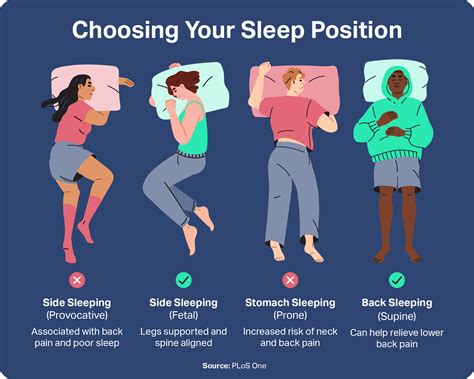
Repetitive mechanical forces, especially in women, play a significant role in chest wrinkle development. When you sleep on your side, the breasts naturally shift forward, which can create a fold in the skin between them. Night after night, this repetitive compression can lead to what are commonly called sleep wrinkles: vertical lines and deeper creases on the chest. If you are a side sleeper, you may be at a higher risk of developing wrinkles on your chest. Sleeping on the same side every night causes your breasts to hang over in one direction for the duration of the night. Over time, gravity can contribute to deep, vertical wrinkles on your chest from sleeping on your side. Women tend to be more susceptible to chest wrinkles, especially side sleepers with larger breasts who wear undergarments that compress the breast tissue. Holding your arms crossed, wearing push-up bras, side sleeping with no support, and even sleeping on your stomach can all contribute to wrinkles. If you’ve noticed that your décolletage is very dry, try using a hydrating serum or treatment balm. Some skin treatments are formulated just for hydrating purposes and contain ingredients like hyaluronic acid to keep your skin moisturized and looking plump. Making sure your posture is on point can help minimize wrinkling on your décolletage. In this day, we’re all constantly staring down at our smartphones, tablets, and laptops, which is horrible for your décolletage and neck. When you slump your shoulders or sit with your back hunched, the skin on your décolletage becomes folded and creased. To prevent posture-related wrinkles, sitting up straight and keeping your shoulders back is recommended.
Genetics and Natural Aging
Genetics play a role in how your skin ages. Some people are simply more prone to developing wrinkles on their chest than others because of their genetic makeup. Genetics is the main factor that determines your skin’s texture and structure, so it makes sense that getting wrinkles at a certain age can run in your family. As we age, our body produces less collagen and elastin, proteins responsible for providing the skin with its structure, firmness, and elasticity. This natural decline in collagen and elastin production slows down with age, contributing to thinning skin and the formation of wrinkles.
Weight Fluctuations and Hormonal Changes
Significant changes in body weight can contribute to wrinkles. When the chest area becomes enlarged due to weight gain, pregnancy, or breastfeeding, the skin stretches. A major loss of weight and volume in the chest may also contribute to wrinkles. When the chest area becomes enlarged due to weight gain, pregnancy, or breastfeeding, the skin in the area becomes stretched. When you lose fat underneath your skin layer, these fibers don’t always shrink back. Pregnancy and breastfeeding cause your breasts to swell for a period of time. While your breasts fill with milk, they become heavier, which can put stress on the proteins in your skin layers. Sometimes even after you are done breastfeeding, you will notice that there is a new shape to your breasts and potentially, wrinkles on and between your breasts. Medical research has suggested that pregnancy has more to do with these wrinkles than breastfeeding. As people get older, their body naturally produces fewer reproductive hormones, and this can lead to changes in the texture and shape of the breasts. Aging affects everyone differently. Age-related changes in the breasts are not usually harmful but are a natural part of aging. These changes in the breasts occur as a result of low estrogen levels and changes in skin elasticity. Aging also increases the risk of developing growths, such as fibroids, cysts, and cancer, all of which can affect the appearance of the breasts. Over time, estrogen levels drop, which leads to a loss of gland tissue in the breast. Along with changes in skin elasticity, this may cause the breasts to appear smaller and lower down than before. The nipples may also change in appearance. Possible breast changes that may occur as a result of aging include: stretch marks or wrinkles appearing on the breast skin, the breasts looking elongated, stretched, or flattened, and extra space between the breasts. Low estrogen levels cause the mammary glands to shrink and the connective tissue in the breast to lose its elasticity. These changes may make the breasts appear soft or flattened.
Smoking
Smoking exposes the décolleté area to free radicals that damage the structural proteins of the skin and also reduces oxygen flow, resulting in fewer nutrients delivered for skin health. It has been shown that smokers have fewer collagen and elastic fibers in their skin than non-smokers. Smoking tobacco increases the number of environmental toxins your skin is exposed to. Toxins in the smoke trigger free radical production on your skin, especially on exposed areas of your skin like your fingers, neck, and chest. This can put you at risk of developing wrinkles earlier in life.
Topical Steroid Side Effects
Topical steroid medications are sometimes prescribed to treat skin conditions like eczema and dermatitis. These medications can actually atrophy and thin the skin’s layer. Once your skin layer is thinner, it’s more likely to become “crepey” or wrinkly in the area where these medications have been applied.
Treatments for Chest Wrinkles
Chest wrinkles, “boob wrinkles,” and décolletage creasing are notoriously difficult to treat once they are established. However, various treatment options are available, ranging from at-home care to professional interventions.
At-Home Skincare and Prevention
Daily sunscreen and high-quality skincare are essential for protecting the chest during the day and maintaining overall skin health. Extend your anti-aging skincare routine to your neck and chest to maximize their beneficial effects. Keep skin healthy by keeping it well moisturized. Choose a moisturizer with humectants such as hyaluronic acid to help plump up skin cells and prevent wrinkles. A simple skincare routine that includes a vitamin C or retinol, a moisturizer, and a daily SPF can be applied to your skin every morning - and don’t skip your chest area. Drinking plenty of water can help keep your skin hydrated, making it look younger for longer. The drier your skin, the more wrinkles you will appear to have. Pay attention to your body’s thirst cues, and start and end each day with a drink of water. Cleansing your chest and neck daily is important for a healthy and clean look. Using a gentle cleanser that purifies the chest and neck without stripping moisture is crucial. Exfoliating your neck and chest helps slough away dead skin cells, which can make your décolletage look more radiant. Because your chest and neck are more delicate areas, a gentle exfoliator is recommended. Hydrating masks can help replenish moisture and work to smoothen and mask fine lines while preventing further wrinkles.
Topical Treatments
Some doctors recommend retinoic acid or tretinoin, antioxidants (vitamin C), and/or hyaluronic acid. These skincare products can help with pigmentation, texture, and collagen support. Using a lotion with retinol is a great way to take care of your face, neck, and décolletage. It’s derived from vitamin A and is the FDA-approved topical treatment for acne and treating fine lines and wrinkles. It has a track record of over 40 years of safe use and can be used as both a preventative and treatment for vertical chest wrinkles. Wrinkle cream for your décolletage can include many of the same active ingredients that you use on your face. Antioxidant ingredients and retinols can encourage cell turnover while protecting your skin. Soothing natural ingredients, such as aloe and shea butter, can seal in moisture and help skin look more firm. Products with hyaluronic acid also have a hydrating and “plumping” effect on the skin. Some doctors also recommend microneedling, chemical peels, laser therapy, or hyper-dilute Radiesse (calcium hydroxyapatite - which is a biostimulator). Help firm, tighten, and correct signs of aging on the chest and neck with specialized creams. Infused with slow-release retinol, a blend of peptides, and a glaucine complex, these creams are clinically demonstrated to improve the look of neck lines as well as address crepey skin, uneven skin tone, and a loss of firmness. Start by easing these into your nighttime skincare routine twice a week, then gradually increasing to one to two times a day as tolerated. Specialized neck and chest creams containing growth factors, retinol, and antioxidant-rich ingredients, including ferulic acid and vitamins C and E, are also recommended.
Preventative Garments and Patches
Silicone pads can both prevent and treat early-stage wrinkles. These unique pads, found over-the-counter or at your dermatologist’s office, stick to your skin while you sleep to prevent wrinkling and restore skin structure. Chest wrinkle patches are typically adhesive silicone sheets that are applied directly to the skin overnight. While they may temporarily smooth the skin, they can have several practical limitations. Because they rely on adhesion, they may shift or peel off during sleep, especially if you move around. Some people also find the adhesive irritating, particularly with repeated nightly use on delicate chest skin. In addition, chest patches are consumable products that must be replaced regularly, which can become costly over time. For example, some silicone sheets can cost $22 each. For those who can’t avoid sleeping on their sides, specially designed sports bras or silicone skin patches that separate and support breasts while you sleep can be tested. Sleeping sports bras designed to prevent chest wrinkles look a little bit like a standard sports bra worn backward. Made with soft material, they offer a way to support breasts without compressing them or irritating skin. The SmoothChest Sleep Bra by YoungerBod was invented by an aesthetic nurse who designed it to address the mechanical forces that contribute to chest wrinkles during side sleeping. YoungerBod explains that during side sleeping, gravity pulls the upper breast downward and inward, leading to folding of the skin between the breasts. During testing, staff reported that the structured center panel of the SmoothChest Sleep Bra sat securely between the breasts, comfortably maintaining separation and helping prevent downward collapse while side sleeping. Testers also appreciated the level of compression. The SmoothChest Sleep Bra incorporates a thin layer of medical-grade silicone within the center panel. The concept is similar to silicone scar sheets or facial wrinkle taping: when skin is held smooth and supported, it is less likely to crease. During testing, staff members reported that their chest skin appeared smoother in the morning. The SmoothChest Sleep Bra works differently than patches. Rather than sticking a patch onto the skin, it uses an integrated medical-grade silicone panel that is stabilized by the garment itself, which helps keep the skin flat without relying on adhesives. Because it is washable and reusable, it functions as a long-term solution rather than a disposable one. Breast pillows or positioning pillows are designed to be placed between the breasts to reduce compression during side sleeping. Pillows can shift during the night as you move, making their effectiveness inconsistent. The SmoothChest Sleep Bra is worn on the body, so it stays in place throughout the night even if you happen to change positions frequently.

In-Office Professional Treatments
Chest wrinkles are best addressed in their earliest stages. It is far easier to meaningfully reverse superficial fine lines or dynamic wrinkles than deep static folds, although some treatment options can help correct even the most severe and deeply set chest wrinkles. If your chest wrinkles are of concern, seeking treatment early will lead to the most successful results. Visit a board-certified dermatologist to learn what treatment options are best for your specific needs.
Minimally Invasive Procedures
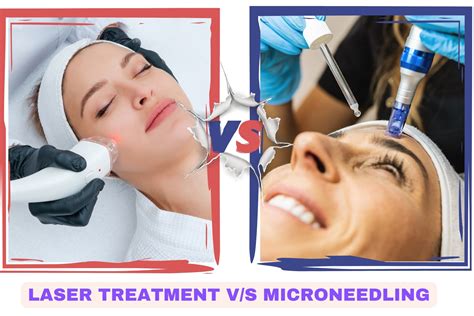
- Microneedling: This is a minimally invasive, sterile procedure where a trained provider uses tiny needles to gently puncture your skin. This treatment is meant to stimulate collagen production and help minimize the signs of aging. Microneedling can be performed on the chest and breasts, but it's important to speak with a provider about special approaches they might take in areas where your skin tissue is extra sensitive.
- Chemical Peels: These treatments exfoliate dead skin cells and encourage new skin cell production.
- Injectable Treatments: Neuromodulators (such as Botox) or biostimulatory fillers (such as Radiesse) must be used cautiously in the chest because of the risk of visible irregularities or prolonged swelling in this delicate area. Hyaluronic acid fillers, such as Restylane or Juvederm, can reduce the appearance of wrinkles by adding volume and structural support required for smooth skin appearance. Fat transfer works similarly to dermal fillers; the filler in this case is fat, which is transferred from another area of the body to the chest. Fat adds volume behind deep creases and smooths the skin. Immediate fixes for deeper wrinkles can be achieved with carefully placed injectables that plump skin between the breasts, offering a smoother appearance. While noticeable results may be seen for a few months, maintenance injections will be required, and this option doesn’t really prevent further wrinkling but rather masks current or new wrinkles.
Energy-Based Treatments
- Laser Therapy: Lasers and energy-based devices can improve texture and pigmentation, often requiring multiple sessions, downtime, and strict sun avoidance. Lasers like Fraxel® Dual, Fraxel® Re:pair, and Fraxel® Re:store create microscopic injuries in the skin, triggering a powerful collagen, hyaluronic acid, and elastin fiber response. IPL Photofacial and M22 IPL treatments target pigmentation, sun damage, and redness. ResurFX is a non-ablative laser that resurfaces the skin gently, encouraging collagen, hyaluronic acid, and elastin fiber production without extended downtime. UltraClear and UltraPulse are deep resurfacing lasers that remove damaged skin layers and boost collagen, hyaluronic acid, and elastin fiber production, addressing deeper wrinkles and crepey skin.
- Radiofrequency Treatments: Thermage is a non-invasive radiofrequency treatment that penetrates deep into the skin to stimulate collagen contraction and stimulation of fibroblasts, which increases the production of new collagen, elastic fibers, and hyaluronic acid and renewal.
- Ultrasound Technology: Sofwave uses next-generation ultrasound technology to boost collagen, hyaluronic acid, and elastin production. Ultherapy is a focused ultrasound treatment that works deep beneath the surface to lift and tighten sagging skin.
- FotoFacial: A FotoFacial treatment can be used to address discoloration, fine lines, blemishes, spider veins, and brown spots. This treatment uses radiofrequency, infrared, and intense pulsed light (IPL) energy to address these concerns. Despite its name, FotoFacial treatments can be used on a number of places, including the chest and breasts.
- Fractional CO2 Laser: Fractional CO2 laser treatment uses a laser to deliver microscopic columns of energy into deep layers of the skin, which stimulates the production of new collagen and elastin, triggering the skin’s healing process, which results in smoother, tighter skin.
Other In-Office Options
- Collagen Stimulators: These gradually restore volume and improve skin texture by encouraging natural collagen, hyaluronic acid, and elastin fiber production.
- Calcium-Based Dermal Fillers: These provide immediate skin-plumping effects while also stimulating collagen, hyaluronic acid, and elastin fiber production.
Surgical Treatments
If breast skin's change in appearance is quite severe, and if you also wish to correct the shape and fullness of your breasts, surgical options may be considered. These are more drastic and can result in more significant changes.
Breast Lift (Mastopexy)
A breast lift, also known as mastopexy, is a surgical procedure that corrects sagging or drooping breast tissue, removes excess skin, and restores a more youthful appearance. This procedure, which is invasive and performed under general anesthesia, can be combined with a breast augmentation to more significantly correct changes in the shape and appearance of the breasts that may have occurred with age. During a breast lift procedure, your surgeon will make incisions either around the areola, from the crease of the breast over the nipple, and/or horizontally along the breast crease. Your breast tissue will be reshaped during the surgery, and any excess skin will be removed. If necessary, your nipples will be repositioned, and if you have opted for breast augmentation as well, your surgeon will insert your implants. The incisions are then closed. Breast lift and breast augmentation surgeries generally take one and a half to two months to fully recover from; your surgeon will advise on how to care for your incisions after your surgery and when you can resume your regular activities, such as exercise.
Breast Implants and Wrinkling
All breast implants used in breast augmentation procedures have a risk of creating some amount of wrinkling, which can make the skin look like it has ripples. This occurs in a small percentage of cases, and the risk can be reduced if the surgery is planned well. Factors that contribute to breast implant wrinkling include the type of implant (saline, gel silicone, or gummy bear silicone), the amount of coverage of the implant by your own soft tissue cover (skin, breast gland, fatty tissues), and how much of the implant is placed under the muscle. Saline implants are the most likely to show wrinkling because they are the most flexible. Gummy bear implants are firm and the least docile, making them least likely to show wrinkling. Silicon implants are less likely to ripple compared to saline implants due to their thicker density and viscosity, but they too can create wrinkles. Gummy bear implants are very dense and thus the least likely to create visible ripples, though they may feel stiff. In cases with thin soft tissue cover, such as very thin patients or post-mastectomy reconstruction, gummy bear implants are the best solution to prevent visible wrinkling. The skin, breast tissue, and fat surrounding the implant also play a role. The thinner your skin and the less fat you have, the greater the chance for implant wrinkles to show through the soft tissue cover. Placement of the implant below the muscle is an important factor to control visible implant rippling. The technique of ‘below the muscle’ typically involves partial insertion under the pectoralis major muscle of the top part of the implant. Over the years, modifications have been made so that the implant is covered by muscle at the top and the lower lateral half of the implant.
Maintaining Youthful Breast Skin
While preventing wrinkles is ideal, consistent skincare and healthy lifestyle choices can help maintain the health and appearance of breast skin. Embracing a holistic approach that includes sun protection, proper hydration, a balanced diet, and targeted treatments can significantly improve the appearance of chest wrinkles and contribute to overall skin health.