Every hair type has unique requirements, and there isn't a universal conditioner that suits all. Curly hair, in particular, tends to be drier and more susceptible to frizz. Consequently, conditioners formulated for straight or thin hair might not deliver adequate moisture or nourishment. Understanding the ingredients in conditioners can initially seem daunting due to complex terminology. However, familiarizing yourself with key components can significantly enhance your curly hair care routine and help you achieve optimal results for your distinct curl pattern.
The Science Behind Conditioner
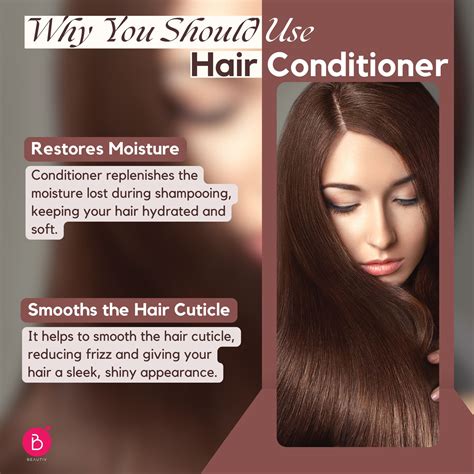
Conditioner is a crucial hydrating step that follows shampoo in any effective hair care regimen. Scientifically, conditioners are composed of moisturizing agents like oils, emollients, and surfactants. To grasp how conditioner functions, it's helpful to understand how shampoo works. Shampoo cleanses the hair by removing built-up natural oils. After this cleansing process, conditioner is used to rehydrate the hair strands and scalp. It works by coating the hair cuticle, thereby moisturizing, smoothing, and protecting the hair from breakage and split ends. Whether your hair is short or long, conditioner is an indispensable part of the shampooing process.
Key Ingredients for Curly Hair Moisture
When selecting a conditioner for curly hair, certain ingredients are particularly beneficial for providing the necessary moisture and nourishment.
Beneficial Ingredients
- Jojoba Oil: Its composition closely resembles the scalp's natural sebum, helping to re-nourish the scalp after shampooing strips away natural oils.
- Aloe Vera: Known for its benefits to skin, scalp, and hair, aloe vera is rich in fatty acids, amino acids, and natural enzymes. It helps regulate scalp oils, preventing sebum buildup.
- Vitamin E: This vitamin enhances hair shine and hydrates hair fibers, effectively reducing frizz.
- Shea Butter: Traditionally used for its moisturizing properties, shea butter also offers sun-protective qualities.
- Keratin: While often associated with straightening treatments, keratin is fundamentally a protein naturally present in hair and nails, contributing to hair's structure.
Ingredients to Be Cautious Of
- Formaldehyde: Although used to smooth and manage hair by bonding strands, prolonged exposure poses serious health risks, including cancer, and can weaken hair structure, leading to breakage.
- Synthetic Dyes: These can accumulate on the hair shaft, resulting in dullness and diminishing the natural shine of curly hair.
Types of Conditioners for Curly Hair
Familiarizing yourself with the different types of conditioners available can help you personalize your routine and achieve the best results for your curls.
Leave-In Conditioner
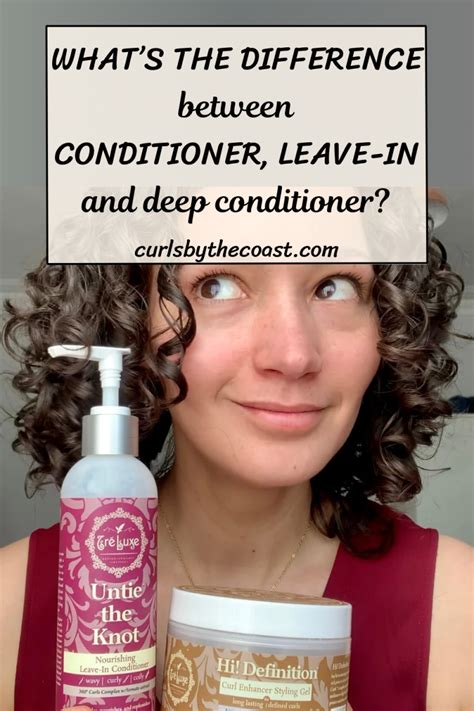
Leave-in conditioners are specifically formulated to provide continuous moisture and protection for curls. They are applied to dry or damp hair and are not rinsed out, offering sustained hydration and manageability throughout the day.
Deep Conditioners
Ideal for dry and damaged hair, deep conditioners provide a more intensive treatment than regular conditioners. They are typically applied to the hair and left in for an extended period, usually 30 to 40 minutes, before rinsing. These formulations often contain gentler ingredients designed for repair and deep rehydration.
Rinse-Out Conditioners
Rinse-out conditioners, also known as rinse-through conditioners, are the most commonly used type. They are applied to the hair for a few minutes (typically 3-5) and then rinsed off. Their primary function is to seal the hair cuticle, resulting in a smooth and manageable finish. Some formulations create a thin film that fills in damaged areas, enhancing smoothness.
Choosing the Right Conditioner for Your Hair Type
Different hair types have distinct needs, making it essential to use a conditioner that targets your hair's specific requirements. Using the correct conditioner formula can significantly improve your hair's texture and impart a healthy glow.
Curly Hair
For curly hair, maximizing moisture is key, as it is more prone to dryness and frizz. Products like Kenra's Moisturizing Conditioner are recommended for their ability to provide the hydration curly hair craves. This type of conditioner often features a pH-balancing system to maintain moisture levels, leaving hair smooth, soft, and shiny with a healthy bounce.
Damaged Hair
Hair damage can result from coloring, bleaching, excessive heat styling, or prolonged sun exposure, leading to brittleness, split ends, and breakage. For such hair, restorative conditioners are beneficial. Products utilizing keratin amino acid technology can help repair broken hair bonds, improving elasticity and durability for softer, healthier strands.
Colored Hair
Individuals with colored hair should opt for conditioners designed to preserve color vibrancy. These conditioners work by locking pigment within the hair cuticle. Using cold water when rinsing can further aid in closing the cuticle and enhancing color retention.
Deep Conditioning Recommendations
Regardless of hair type, incorporating a deep conditioning treatment periodically can be highly beneficial. Deep conditioners, or hair masks, penetrate the hair cuticle more deeply than regular conditioners to fortify and condition from within.
- For Damaged Hair: Kenra Platinum Restorative Reconstructor uses Keratin Amino Acid Technology to restore broken bonds and improve elasticity.
- For All Other Hair Types: The Kenra Nourishing Masque is a versatile option that replenishes moisture for soft, shiny results. It is safe for color-treated hair and particularly beneficial for curly hair, which may benefit from its use once or twice weekly as a conditioner substitute.
How to Deep Condition Curly Hair for Beginners
Tips for Effective Hair Conditioning
To maximize the benefits of your conditioner, consider these professional tips:
Allow Sufficient Time
A common mistake is rinsing conditioner out too quickly. Ensure you leave conditioner on for at least three to five minutes to allow the conditioning elements to work effectively.
Detangle in the Shower
While the conditioner is soaking, use this time to detangle your hair with a wide-tooth comb or a hairbrush. Work gently from the ends upwards, avoiding pulling or ripping through tangles, as wet hair is more fragile. This process also helps distribute the conditioner evenly from root to tip.
Condition After Every Shampoo
Conditioner should be used every time you shampoo to rehydrate the hair and scalp, restoring moisture lost during cleansing. It's advisable to limit shampooing to two to three times a week to prevent over-drying, color fading, and excessive oil production.
Frequency of Deep Conditioning
The frequency of deep conditioning varies based on individual hair needs. Some may benefit from a mask every three to four washes, while others find using it every other wash more effective. Curly hair, for instance, often benefits from more frequent deep conditioning.
Frizz-Free Hair Drying Techniques
Even with proper conditioning, improper drying can lead to frizz. After showering, gently squeeze excess water from your hair with your hands. Then, use a towel to blot remaining moisture, avoiding rubbing, which causes friction and frizz. For further frizz reduction, consider using a t-shirt or a microfiber towel, which create less friction.
Conditioning is a vital component of a consistent hair care routine. Following shampoo with thorough conditioning provides the fortification and moisture your hair needs to look its best. With the right conditioner, you can transform dry hair into smooth, shiny, and healthy-looking locks.
tags: #moisture #conditioner #for #curly #hair