Even if you have fairly clear skin, you may be self-conscious about large pores. Fortunately, by understanding the causes of your pores, you can make them less visible and achieve brighter, smoother skin. This article explores what causes large pores and how to effectively address this common skin concern.
What Causes Large Skin Pores?
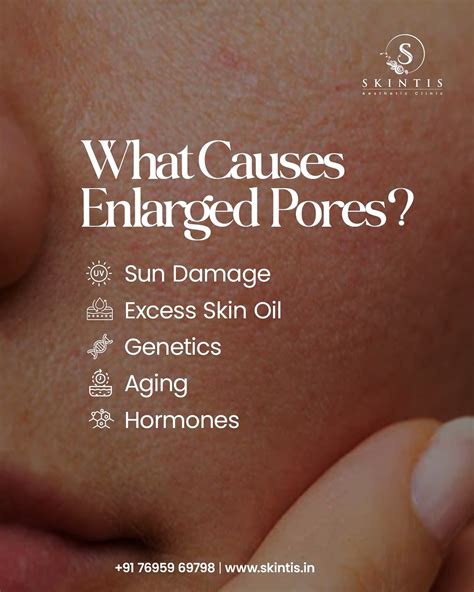
Larger skin pores are primarily influenced by genetics. If family members have large pores, it's likely you may have inherited this skin trait. As you age, your skin naturally loses elasticity, which can make pores appear more prominent.
While men tend to have larger pores than women, hormonal fluctuations, such as those during pregnancy, can also increase the appearance of large pores in women.
Individuals with naturally oily skin often experience larger pore sizes. This is because oily skin can lead to the presence of sebaceous filaments, which are natural oils that lubricate the skin. These are not to be confused with blackheads. However, when sebum, dead skin cells, and bacteria combine, they can form clogged pores that may seem larger than usual.
Furthermore, excessive sun exposure can contribute to pores appearing larger. Sun damage depletes the skin's levels of water, collagen, and elastin, which can stretch the edges of your pores.
Enlarged pores can be observed across all ages and ethnic groups. Some ethnic backgrounds, particularly those of African and Indian ancestry, may be more prone to larger pores. Data regarding whether men or women are more susceptible to large pores is conflicting.
Acne is frequently associated with enlarged pores, sometimes presenting with open comedones (blackheads) within the pore. Enlarged skin pores are defined as conditions presenting with visible topographic changes of skin surfaces. Although not a medical concern, enlarged pores are a cosmetic concern for a significant number of individuals.
There are three primary clinical causes of enlarged facial pores: high sebum excretion, decreased elasticity around pores, and increased hair follicle volume. Additionally, chronic recurrent acne, sex hormones, and skincare regimens can impact pore size. Potential factors contributing to enlarged skin pores include excessive sebum, decreased elasticity around pores, and increased hair follicle volume.
Understanding Clogged Pores vs. Enlarged Pores
Clogged pores develop when dead skin cells, oil, or dirt become trapped within them. Pores are small openings in the skin that release oil and sweat. Clogged pores can ultimately lead to acne and are commonly found on the face, but can also appear on the scalp, neck, back, shoulders, and chest.
While clogged and enlarged pores are not identical, they are often interconnected. Clogged pores can result from excessive oil production by the glands. Increased oil on the skin heightens the risk of clogged pores. However, many other factors can lead to enlarged pores, including age, skincare products, hair follicles, and sun damage. Therefore, enlarged pores do not always result in clogged pores.
Similar to acne, clogged pores are more prevalent in adolescents and young adults. During puberty, hormones stimulate oil-producing glands. Nevertheless, anyone, regardless of age or sex, can develop clogged pores. A family history of acne or clogged pores can also increase your susceptibility to these skin concerns. Occasionally, inherited genes from parents predispose individuals to very oily or dry skin.
Clogged pores are very common. A buildup of oil and dirt in the skin can contribute to pores appearing larger as they become blocked and the surrounding skin dilates. Individuals with naturally oilier skin may have larger pores due to more active oil glands, necessitating larger pores for oil release from within the skin. Contrary to popular belief, teenagers and young adults are not the only ones affected; aging also impacts pore size.
How Can You Treat Large Pores?
Once you identify the cause of your large pores, you can implement targeted treatments. If your large pores are a result of sun damage, it is crucial to start wearing sunscreen and a hat when outdoors. A highly effective way to treat sun-damaged skin is with retinoids, which are forms of Vitamin A. Retinoid creams can diminish the appearance of large pores, as well as reduce dark spots and fine lines caused by sun damage.
In addition to retinoids, look for skincare creams containing ingredients such as coffeeberry extract, green tea, or Vitamin C. These antioxidants help protect the skin's elastin and collagen from sun damage, thereby improving the appearance of pores.
You might be tempted to squeeze pores containing sebaceous filaments, as they can appear enlarged. However, avoid squeezing your skin, as this can lead to scarring. Instead, opt for topical medications containing ingredients like retinoids, salicylic acid, and glycolic acid. These acids are effective at breaking down and dissolving sebum plugs.
Some individuals attempt to excessively dry out their skin, which can trigger the skin to overproduce oil in response. It is advisable to consult with a dermatologist to establish a proper skincare regimen. If your large pores are not easily managed by protecting your skin from sun damage or excess oil, a dermatologist visit is recommended.
A dermatologist may suggest in-office treatments, such as a glycolic gel peel. Formulated skin peels penetrate deeper skin layers to remove dead skin cells, effectively minimizing the appearance of large pores. Your dermatologist might also prescribe a specialized skincare regimen. For example, they could recommend products containing ingredients like glycolic acid, salicylic acid, and benzoyl peroxide, which can treat acne and simultaneously minimize pore size.
Professional Extraction and Skincare Ingredients
Regarding blackheads, it is generally advised to avoid popping blemishes to prevent scarring and infection. If you choose to perform extractions at home, ensure it is done safely and hygienically. Professional extraction is recommended for its cleanliness. Always wash your hands before any extraction process. Using facial steam or a warm towel can help open pores, preparing them for extraction. Applying a cleanser, preferably oil-based for an initial cleanse, to the entire face with light massage is a good first step.
Next, apply a warm compress (never hot) to the affected blemish. Apply gentle pressure with a slight wiggle on either side of the blemish to aid in extraction.
While we cannot physically shrink enlarged pores, as they are largely determined by genetics, their appearance can be effectively minimized by keeping them clean and free from dirt and dead skin cell buildup. Treatments such as chemical peels, microdermabrasion, and certain lasers can visibly improve the appearance of pores.
When selecting skincare products to treat pores, look for ingredients like glycolic acid, salicylic acid, lactic acid, and Vitamin A. These acids have a resurfacing effect on the skin, removing dead skin cells and stimulating cell renewal for a smoother appearance. Salicylic acid is particularly beneficial for blackheads and can be an effective tool for minimizing the appearance of pores, blackheads, breakouts, oil, and cleansing the skin. It is important to note that products formulated with these ingredients should not be overused, and the skin should be deeply hydrated afterward.
How to Exfoliate Your Skin: A Guide
Diet and Skincare Regimens
Your diet plays a role in all aspects of your health, including your pores. Following an anti-inflammatory diet can help regulate excess oil, preventing breakouts and clogging.
Treatments that focus on preventing and shrinking large pores are not always highly effective. Oral treatments used for acne may also offer benefits. Physical treatments targeting the sebaceous glands can aid in managing enlarged pores.