Korea has emerged as a global leader in cosmetic procedures, offering advanced skincare treatments at competitive prices. Among the most sought-after are chemical peels and aqua peels, treatments designed to rejuvenate the skin and enhance natural beauty. These procedures attract individuals worldwide seeking clearer, smoother, and more radiant complexions.
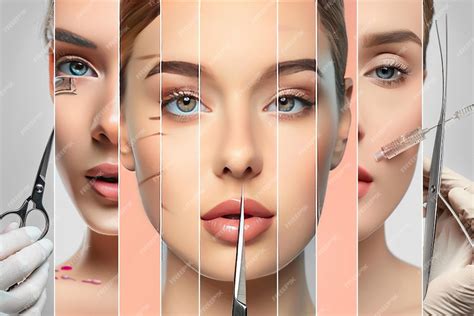
Understanding Chemical Peels
What is a Chemical Peel?
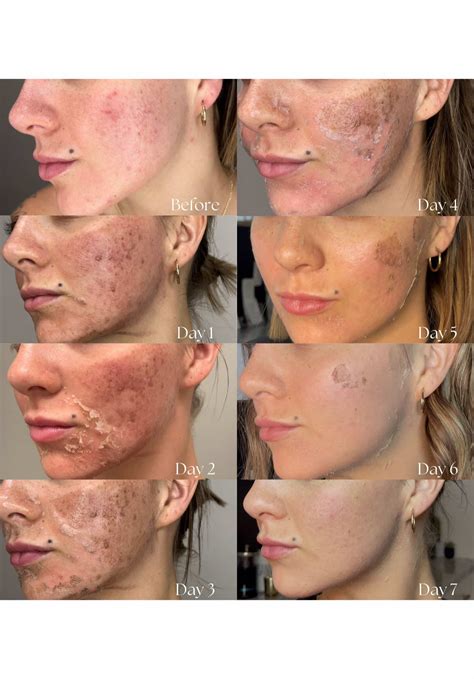
A chemical peel is a cosmetic procedure where a specialized chemical solution is applied to the skin. This solution causes the outermost layers of skin to exfolate and eventually peel off, revealing newer, healthier skin underneath. This process stimulates new skin cell growth, leading to improved skin texture and appearance.
The Benefits of Chemical Peels
Chemical peels are a popular choice for addressing a variety of skin concerns. They are effective in removing unnecessary dead skin cells, promoting the growth of new, vibrant skin cells, and improving overall skin health. These treatments can help with issues such as:
- Acne scars
- Hyperpigmentation and sun spots
- Fine lines and wrinkles
- Uneven skin texture
- Dullness
- Enlarged pores
Types and Depth of Chemical Peels
The effectiveness and cost of a chemical peel are significantly influenced by its type and depth. Treatments are generally categorized into superficial, medium, and deep peels, each offering different levels of exfoliation and targeting distinct skin concerns.
Superficial Peels
These peels work on the outermost layer of the skin (epidermis). They are ideal for mild skin imperfections such as slight discoloration, rough texture, and acne. Superficial peels are the least invasive, require minimal recovery time, and are generally less expensive.
Medium Peels
Medium-depth peels penetrate to the epidermis and the upper part of the dermis. They are effective for addressing more significant concerns like moderate wrinkles, sun damage, and uneven skin tone. Recovery time is longer than for superficial peels.
Deep Peels
Deep peels reach the deeper layers of the dermis and are used to treat significant sun damage, deep wrinkles, and precancerous growths. These are the most intensive peels, requiring a longer recovery period and carrying higher risks.
The Korean Approach to Peeling Treatments
Chemical Peels and Aqua Peels in Korea
Korea is renowned for its innovative approach to skincare, and chemical peels are a staple in many clinics. Alongside traditional chemical peels, aqua peels have gained significant popularity. Aqua peels combine exfoliation with hydration and nourishing treatments, offering a gentler yet effective method for skin enhancement.
The Korean Glass Skin Peel
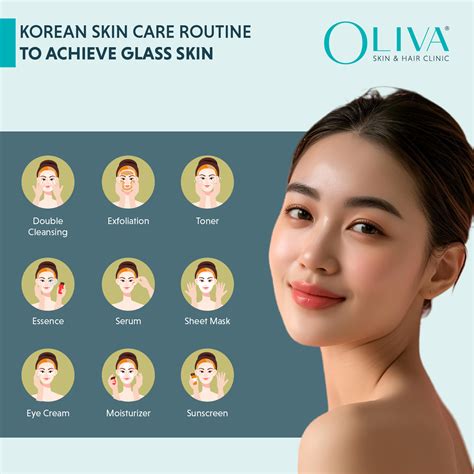
The pursuit of "glass skin"-a complexion that is exceptionally smooth, clear, hydrated, and luminous-has made the Korean Glass Skin Peel a highly sought-after treatment. This specialized peel is designed to exfoliate, brighten, and hydrate the skin, delivering a radiant, dewy finish without the harshness or downtime often associated with traditional peels.
Key Benefits of the Korean Glass Skin Peel:
- Radiant, Dewy Glow: Enhances skin clarity and luminosity for a natural, lit-from-within look.
- Smooths and Refines Texture: Minimizes pores and refines uneven texture for a flawless appearance.
- Intensive Hydration: Locks in moisture for a plumper, firmer, and more supple skin feel.
- Suitable for All Skin Types: Gentle and nourishing, making it ideal even for sensitive skin.
- Minimizes Fine Lines and Promotes Elasticity: Smoothes fine lines and supports a more youthful, resilient skin texture.
How the Korean Glass Skin Peel Works
This treatment employs a blend of gentle exfoliating agents, hydrating serums, and soothing ingredients. It begins with a thorough cleanse and exfoliation to remove surface impurities. A specialized peel is then applied to gently lift away dead skin cells. Subsequently, hydrating serums and calming masks are used to infuse the skin with moisture, resulting in ultra-smooth, refined, and clear skin with a natural glow.
Aqua Peel Treatments
What Exactly Is an Aqua Peel Treatment?
An Aqua Peel, also known as a water peel or aqua facial, is a non-invasive and painless skincare treatment. It thoroughly cleanses and revitalizes the skin through a multi-step process utilizing gentle water-based solutions, distinguishing it from traditional chemical peels that may cause redness and peeling.
How Does an Aqua Peel Work?
A typical Aqua Peel treatment involves several key steps:
- Deep Cleansing & Exfoliation: The process starts with a thorough cleanse, followed by the application of AHA (alpha hydroxy acid) and BHA (beta hydroxy acid) solutions to exfoliate the skin.
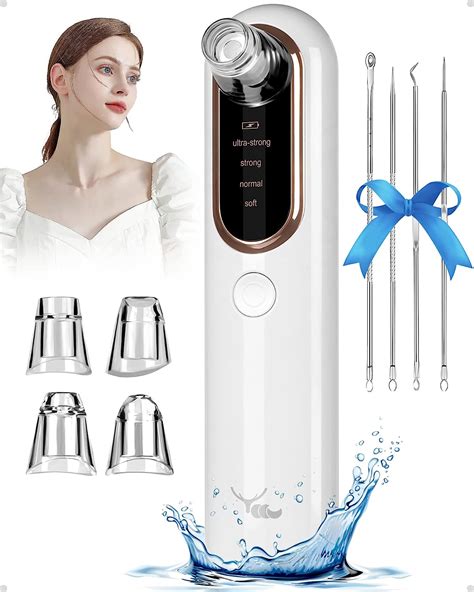
- Extraction: A specialized vacuum device with a spiral tip is used to extract impurities, blackheads, and debris from the pores.
- Hydration & Nourishment: After extraction, the skin is infused with hydrating serums rich in vitamins and antioxidants.
- Additional Treatments: Some premium packages may include complementary treatments like LED light therapy or cooling masks for enhanced results.
The entire procedure usually takes between 30 to 45 minutes, delivering immediate results such as brighter, clearer skin with noticeably smaller pores and the characteristic Korean "glass skin" glow.
Choosing a Clinic and Considering Costs in Korea
Renowned Clinics and Their Offerings
Several clinics in Korea are recognized for their expertise in chemical and aqua peels:
- Renovo Skin Clinic: Offers professional-grade peel treatments, stronger than home-use options, with a diagnostic approach using S-RAY machines to tailor treatment plans.
- Three Wishes Clinic - Myeongdong: Provides personalized, advanced medical beauty care with a focus on safety and patient satisfaction.
- DA Plastic Surgery Clinic: Located at Gangnam Station, this clinic offers a wide range of cosmetic procedures, including skin treatments, with an emphasis on enhancing natural beauty.
- Nana Plastic Surgery Clinic: Near Sinnonhyeon Station, it is known for advanced aesthetic care backed by extensive clinical data and experience.
- RE:BERRY Clinic Gangnam: Specializes in customized chemical peel treatments based on individual skin types and concerns, ensuring safe exfoliation and natural-looking results.
- MINE Plastic Surgery and Dermatology: Offers both standard and premium Aqua Peel treatments, with options for tax refunds for international clients.
These clinics often provide comprehensive surgical and non-surgical solutions, complementing peeling care with treatments for facial contouring, eyes, nose, lifting, and body procedures.
Factors Influencing the Cost of Peeling Procedures
The cost of peeling procedures in Korea is influenced by several key factors:
- Type and Depth of Peel: Superficial peels are generally less expensive than medium or deep peels.
- Quality of the Serum/Solution: High-quality, medical-grade solutions command higher prices.
- Technology Used: Advanced machines and equipment, particularly for aqua peels, can affect the overall cost.
- Clinic's Location and Reputation: Clinics in major cities or those with international renown may have higher pricing due to demand and operating costs.
- Practitioner's Expertise: The skill and experience of the dermatologist or aesthetician performing the procedure play a significant role.
- Length of the Procedure: Longer treatment sessions may incur higher costs.
Cost Comparison and Value
One of the primary draws for tourists is the remarkable value for money. Basic Aqua Peel treatments in Seoul can range from 30,000 to 50,000 KRW (approximately $25-40 USD), with premium versions costing 70,000 to 100,000 KRW ($60-80 USD). This is significantly less than similar treatments in Western countries, where prices can start from $100-200 USD.
[MINECARE] Aqua Peel Treatment (VIP) Training Video
Travel Considerations for Medical Tourism in Korea
Planning Your Trip
When considering a trip to Korea for cosmetic procedures, it's essential to budget for various travel-related costs beyond the medical expenses. These include:
- Airfare: International round-trip tickets can vary significantly in price depending on the departure location.
- Accommodation: Korea offers a range of options, from luxury hotels ($70-150 per night for mid-range) to budget guesthouses and hostels ($20-50 per night).
- Transportation: Public transportation, such as subway systems in major cities, is efficient and affordable, with fares typically ranging from $1 to $2 per trip.
- Food: Dining options vary, with local restaurants costing $5-15 per person and upscale establishments ranging from $30 to $100. Street food offers budget-friendly choices.
- Travel Insurance: Advisable to cover unforeseen medical emergencies or trip cancellations.
Booking Appointments and Deposits
It is customary to secure appointments with a 10% upfront deposit, which ensures your spot and allows the clinic to prepare for your treatment. For tourists seeking English-speaking services, booking at least 1-2 days in advance is recommended.
Tourist Tax Refunds
South Korea offers VAT refunds on certain services, including skincare treatments. Clinics participating in this program can provide the necessary documentation for international clients to claim these refunds.
Post-Treatment Care and Maintenance
Immediate Results and Downtime
One of the significant advantages of treatments like the Korean Glass Skin Peel and Aqua Peel is the minimal to zero downtime. Patients often notice immediate improvements and can typically return to their normal activities shortly after the procedure. Some patients report continued improvement over the next 24-48 hours as hydration levels stabilize.
Maintaining Your Results
To maintain the results of your peeling treatment and achieve lasting glass skin, several practices are recommended:
- Sun Protection: Consistent application of sunscreen is crucial to protect the newly revealed skin and prevent hyperpigmentation.
- Gentle Skincare Routine: Avoid harsh exfoliants or abrasive products immediately after treatment.
- Hydration: Continue to moisturize adequately to keep the skin plump and hydrated.
- Follow-Up Treatments: For sustained benefits, regular treatments are often recommended, typically every 2-4 weeks, depending on the individual’s skin condition and goals.