The Naturium Azelaic Acid Topical Acid 10% is formulated to enhance skin radiance by diminishing flaws and revealing a more luminous complexion. This product aims to gently exfoliate the skin, help reduce the appearance of dark spots, and balance excess oil, all while being free from fragrance and parabens.
Key Benefits of Naturium Azelaic Acid
- Gently exfoliates the skin.
- Helps reduce the appearance of dark spots.
- Balances excess oil production.
- Formulated without fragrance.
- Free from parabens.
Key Ingredients and Their Functions
The effectiveness of Naturium Azelaic Acid lies in its potent blend of key ingredients:
- High concentration of Glycinated Azelaic Acid: This primary ingredient works to minimize skin imperfections such as congestion, redness, dullness, and discoloration.
- Niacinamide: Known for its ability to improve skin barrier function, reduce inflammation, and minimize the appearance of pores.
- Vitamin C: A powerful antioxidant that brightens the skin, fades dark spots, and protects against environmental damage.
- Coffee Seed Extract: Provides antioxidant benefits and can help to energize and protect the skin.
Research and Clinically Proven Results
Clinical studies have demonstrated the efficacy of azelaic acid in addressing various skin concerns. While specific studies for the Naturium product are referenced within broader research, the ingredient itself has a strong scientific backing:
- 100% of subjects showed improvement in exfoliation in 8 weeks.
- 82% of subjects showed reduced redness in 8 weeks.
*In an 8-week clinical study on subjects (women & men), representation across all skin types & self-perceived sensitive skin.
How to Use Naturium Azelaic Acid
For optimal results, follow these usage instructions:
- Shake well before application.
- Apply an even layer of the azelaic acid serum onto your face, neck, and chest.
- Avoid the eye area.
- For best results, follow with a moisturizer.
- If mild sensitivity or redness occurs, reduce the frequency of use until your skin adjusts.
- Wear SPF during the day.
- A patch test prior to use is advised.
Precautions and Safety Warnings
It is important to be aware of the following precautions when using azelaic acid products:
- If mild sensitivity or redness occurs, reduce frequency of use until skin adjusts.
- Wear SPF during the day.
- For external use only.
- Use only as directed.
- Discontinue use if irritation occurs.
- Do not apply on broken, irritated, or itching skin.
- Avoid contact with eyes. In case of eye contact, rinse immediately with water.
- If symptoms persist, seek medical attention.
Frequently Asked Questions About Azelaic Acid
What is azelaic acid?
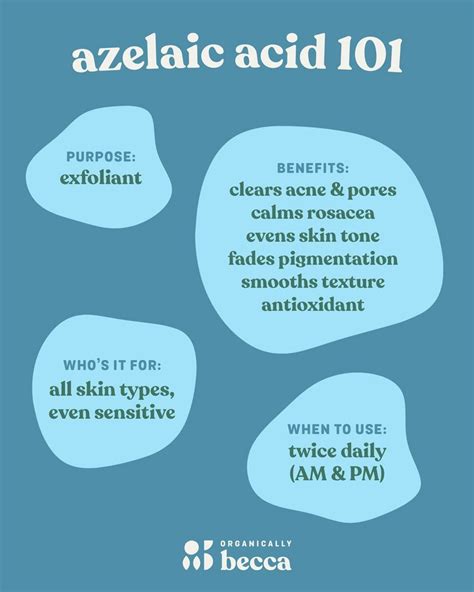
Azelaic acid is a sensitive skin-friendly molecule derived from barley, rye grains, and wheat. It belongs to the dicarboxylic acid family and possesses antibacterial, keratolytic, comedolytic, and antioxidant properties. Dermatologists praise it for its ability to inhibit tyrosinase, the enzyme involved in pigment production, thereby reducing hyperpigmentation. It is often described as a versatile ingredient that is a favorite among dermatologists and is considered one of the most underrated skincare ingredients.
What are the benefits of azelaic acid?
The benefits of azelaic acid are numerous and include antimicrobial and anti-inflammatory properties, making it excellent for treating conditions like acne and rosacea. It effectively kills breakout-causing bacteria and reduces inflammation. As a gentle exfoliant, it stimulates cell turnover, which can help reduce the appearance of acne scars.
Who can use azelaic acid?
Azelaic acid is safe for all skin types. However, individuals with sensitive skin are advised to start using the ingredient once a day and gradually increase the frequency to twice a day after several weeks. If any irritation occurs, it is best to consult a doctor before continuing use.
Can azelaic acid be used with other skincare ingredients?
Azelaic acid is generally gentle and safe to use with other ingredients such as vitamin C, AHAs, BHAs, and retinoids. However, if you are using prescription-strength azelaic acid, Retin-A, or other topical creams, it is advisable to consult a dermatologist.
What are the different concentrations of azelaic acid?
Azelaic acid is available in over-the-counter products in strengths ranging from 1% to 15%. Prescription-strength concentrations can go up to 20%. Lower concentrations can be equally effective and may help prevent skin irritation for those with reactive or sensitive skin. Products with low concentrations of azelaic acid are beneficial for unclogging pores, preventing acne breakouts, and soothing skin inflammation. For acne-prone skin, lower concentrations are often combined with actives like AHAs and BHAs for a comprehensive approach.
Understanding Azelaic Acid Concentrations and Efficacy
Research has highlighted the significant benefits of azelaic acid, particularly at higher concentrations (15% and 20%). These concentrations have been studied for their efficacy in treating hyperpigmentation, acne, and rosacea.
- Hyperpigmentation: A study involving subjects with darker skin tones showed a significant decrease in pigmentary intensity scores and overall global improvement after applying 20% azelaic acid for 24 weeks. Another study compared 20% azelaic acid with 5% tranexamic acid for treating post-inflammatory hyperpigmentation due to acne, finding the former effective.
- Acne: 20% azelaic acid has been clinically tested to be effective for mild to moderate acne, showing overall improvement, a reduction in lesion count, and decreased severity.
- Rosacea: Consistent evidence suggests azelaic acid improves rosacea symptoms, reducing erythema and lesion count. Studies using 15% and 20% concentrations have shown positive results in managing symptoms after 12 weeks of use.
It is important to note that much of the research demonstrating these pronounced effects pertains to higher concentrations of azelaic acid, which are often prescription-only in certain regions, like the US. In the US, over-the-counter products typically contain up to 10% azelaic acid. While 10% azelaic acid may not yield the same dramatic results as higher concentrations, it can still be a valuable addition to a comprehensive skincare routine, particularly for its exfoliating, anti-inflammatory, and anti-acne benefits.
Types of Azelaic Acid Formulations
Azelaic acid is currently found in two primary types of formulations:
- Suspensions: These formulas are typically thicker, often described as lotion or paste-like, and may have a distinct silicone finish.
- Emulsions: These formulas contain both water and oil components, offering a lighter texture compared to suspensions.
Comparison of Popular 10% Azelaic Acid Products
When choosing a 10% azelaic acid product, various formulations offer different textures and ingredient profiles:
- The Ordinary’s 10% Azelaic Acid Suspension: This product features a classic suspension formula with a lotion/paste-like consistency and a silicone finish.
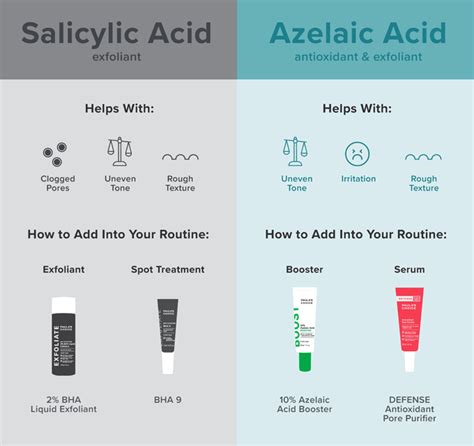
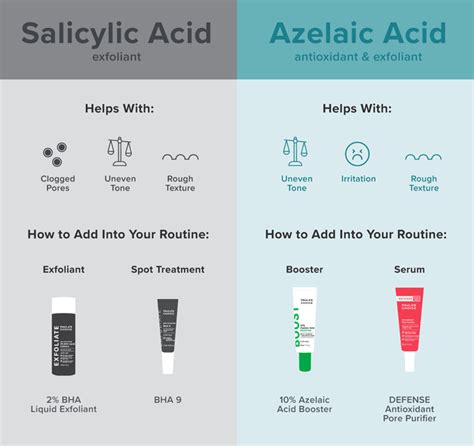
- Paula’s Choice 10% Azelaic Acid Booster: This emulsion contains salicylic acid and soothing ingredients like allantoin and bisabolol. However, some users found its texture heavy and the finish left a residue.
- Naturium’s Azelaic Acid: This formula is noted for its light texture with minimal stinging. It includes niacinamide, allantoin, and hyaluronic acid. Silica is also included, which may be beneficial for dry skin types.
- The Inkey List’s 10% Azelaic Acid: This product offers a minimalistic, lightweight texture with very little initial stinging. It also contains 0.3% allantoin, a potent soothing active.
The choice between these formulations often comes down to personal preference regarding texture, finish, and the inclusion of additional beneficial ingredients.