In the dynamic world of luxury beauty, brands must constantly adapt and innovate to maintain their relevance and appeal. Lancôme, a globally recognized name synonymous with elegance and French sophistication, has consistently demonstrated a masterful approach to public relations and marketing. This strategy encompasses a deep understanding of its heritage, a commitment to product innovation, and a forward-thinking embrace of digital transformation and integrated marketing communications (IMC).
The Evolution of Integrated Marketing Communications
The landscape of marketing has been profoundly shaped by technological advancements. New technical inventions have always driven economic and social change, influencing the relationship between producers and consumers. The late 20th century saw the emergence of numerous new technologies and, consequently, new communication tools and channels. Business professionals quickly adopted these innovations in marketing to strengthen customer relationships, generate profit, and expand market influence, leading to the rise of omnichannel marketing and Integrated Marketing Communications (IMC).
IMC, initially conceptualized in the early 1990s, became widely practiced by marketers by the mid-1990s. It is ideologically rooted in the traditional marketing areas of Advertising, Direct Marketing, Sales Promotions, and Public Relations, emphasizing a unified brand message-"one voice, one sight, and one sound." The subsequent advent of cyberspace and online media channels marked a paradigm shift in IMC application. The internet enabled marketers to receive, analyze, and study customer preferences, responses, and feedback more effectively. Simultaneously, consumers gained the ability to choose and filter information channels and publicly express their opinions about brands. This shift led to the development of digital marketing and personal selling, with online channels gradually prevailing over offline ones due to their versatility, user-friendliness, and less aggressive nature.
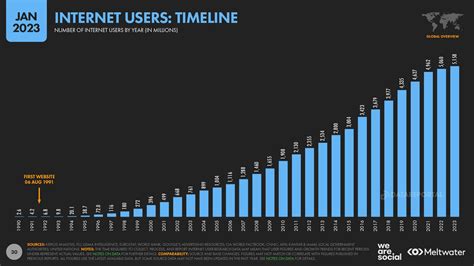
While the definition of IMC has remained consistent-coordinating and managing marketing communications to ensure consistent brand messages and foster stakeholder collaboration-the conventional academic interpretation is subject to change due to ongoing social and marketing processes. The significant innovations in mobile technology in the 2000s introduced another wave of societal and economic changes. IMC is currently in a transition phase, facing the challenge of integrating offline (traditional) channels with online (modern) channels. This integration is complex, considering generational preferences for communication channels and variations in prevailing channel types across different countries due to cultural, religious, economic, and technological factors. Such an environment presents numerous opportunities for developing new IMC activities and approaches.
IMC's Synchronization Function within Omni-Channel Marketing
IMC plays a crucial role in establishing and maintaining efficient synchronization within omnichannel marketing. When effectively implemented, IMC ensures information consistency and interactivity across all communication channels. It empowers marketers to analyze consumer preferences and contacts, send and coordinate a unified message, and monitor its status through both offline and online media. This integration creates harmony and synergy within a company's marketing segment, a hallmark of successful IMC strategies.
The First Companies to Adopt IMC and a New Generation of Businesses
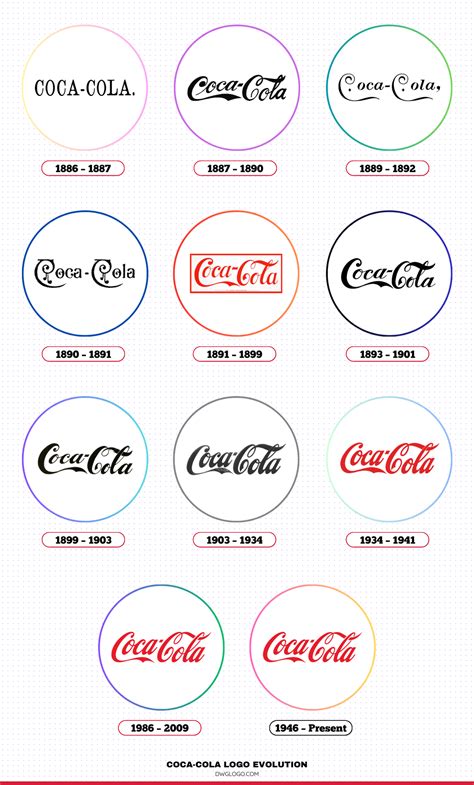
Pioneers in the practical application of IMC included large international corporations in the beverage and software/hardware sectors, such as Coca-Cola, Datavail, Starbucks, and Rockwell Automation. Coca-Cola, for example, uses IMC to portray its beverages as an integral part of people's daily lives. GoPro stands out as a notable example of a next-generation company leveraging IMC for social media and mobile technology product promotion. Today, it is nearly impossible to run a flourishing enterprise without employing IMC.
Lancôme's Performance in Terms of IMC
Lancôme, a global beauty brand and part of the L'Oréal Luxury Products division, strategically employs various IMC components to maintain its market leadership. The brand focuses on selling high-end cosmetics products to affluent consumers, a segment that values quality, prestige, and sophisticated brand experiences.
Lancôme's Advertising
Historically, Lancôme frequently organized interactive physical events to advertise its products. However, with the advent of the international pandemic and subsequent shifts in consumer behavior, the brand adeptly adapted its online advertising strategies to a virtual format. The combination of programmatic advertising, retargeting, prospecting, and rich virtual experiences allowed Lancôme to achieve significant positive results in promoting luxury cosmetics. Marketers successfully generated high online visitor numbers and engagement rates, increasing brand and product awareness. This adaptability highlights Lancôme's keen awareness and expert utilization of both offline and online advertising opportunities.
Quantcast's brand solution was instrumental in engaging customers and prospects, driving awareness across different user groups. This led to a 6.2% uplift in brand and product awareness for Lancôme, demonstrating the effectiveness of their programmatic advertising efforts, especially amidst challenging market conditions and intense competition. The campaign achieved a remarkable engagement rate of 11.3% with rich media executions and drove over 9,600 visits to the virtual event at a cost-per-visit 21% below Lancôme's goal.
Lancôme's Sales Promotion
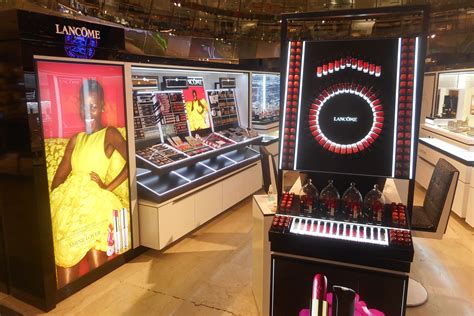
Lancôme largely adheres to traditional methods of offline sales promotion. These include point-of-sale (POS) displays with unique designs and periodic free gift promotions. POS displays are a cost-effective tactic, serving as a means of advertising multiple products of a single brand by attracting consumer attention. Free gift promotions are a relatively small investment that satisfies existing customers and attracts new ones. The application of these IMC approaches to traditional communication channels has consistently resulted in increased product sales, indicating efficient performance in this area.
Lancôme's Direct Marketing
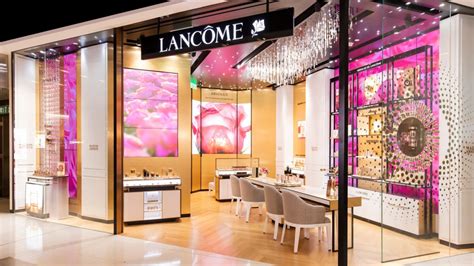
L'Oréal's direct marketing analysis reveals a strong emphasis on direct communication with customers, both physically and online, a principle that Lancôme upholds. Lancôme provides consumers with numerous exceptional online services and products, making its e-commerce platform one of the most personalized and custom-oriented in the beauty industry. Retail stores mirror this trend, offering bespoke services and tailor-made consultations. Digital and offline services include online skin tests and individualized instructions for cosmetic products. Lancôme even produces custom foundations tailored to customer requirements, showcasing a mastery of direct marketing communication tools and a timely implementation of innovative marketing models aligned with industry and global market trends.
Lancôme's Publicity
Lancôme's public relations efforts are highly effective, exerting a powerful media impact, particularly in the online space. The company consistently ranks among the top beauty brands due to strategic PR success driven by two key strategies: collaborating with social media influencers and focusing on public communication. Lancôme frequently partners with famous individuals, especially younger personalities, carefully considering their follower count, media background, and personal qualities. The brand engages its followers through product shots and short videos accompanied by inspiring captions. Lancôme's successful transition into the online space and its consistent presence as a trending brand underscore the high productivity and professional skills of its PR department.
Lancôme's Personal Selling
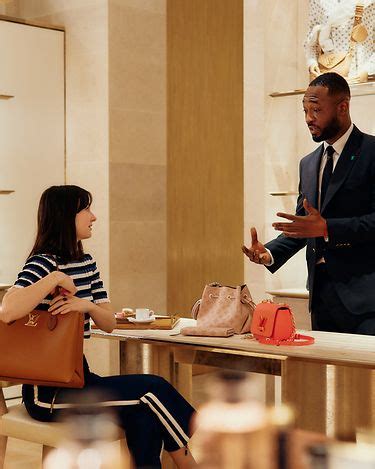
As a luxury brand, personal selling is a top priority for Lancôme's marketers. The company's employees offer extensive services both online and in retail stores, striving to ensure their cosmetic products are suitable and beneficial for consumers. Lancôme staff act as salespeople, guides, advisors, and service providers, aiming to enhance the customer experience. The company also offers treatments, such as spa services, to ensure consumers feel their best at Lancôme. This comprehensive approach to personal selling contributes to the high overall performance of this communication channel.
Hong Kong Beauty Market IMC Plan for Lancôme: The SOSTAC Model
To develop a practical and effective IMC plan, it is essential to base it on a well-developed theoretical framework. The SOSTAC model, comprising six elements, provides such a guide, with the addition of a target audience section crucial for successful implementation.
Target Audience
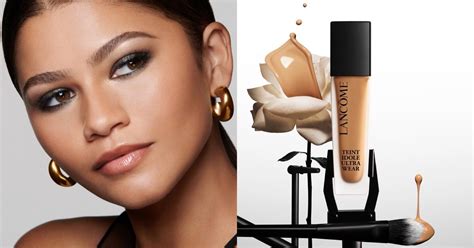
The potential target audience for Lancôme in Hong Kong mirrors that in other countries: wealthy individuals, primarily women, aged 25-30 and older. However, Lancôme has also initiated a widespread advertising campaign targeting the younger generation, with Zendaya Coleman serving as a brand ambassador, indicating that Hong Kong youth should also be considered. Furthermore, marketers anticipate an increased demand for skincare products from the male population, influenced by trends such as the K-pop phenomenon, which has normalized flawless skin regardless of gender. These socioeconomic trends are expected to continue, driving growth and competition in the beauty industry.
Situational Analysis
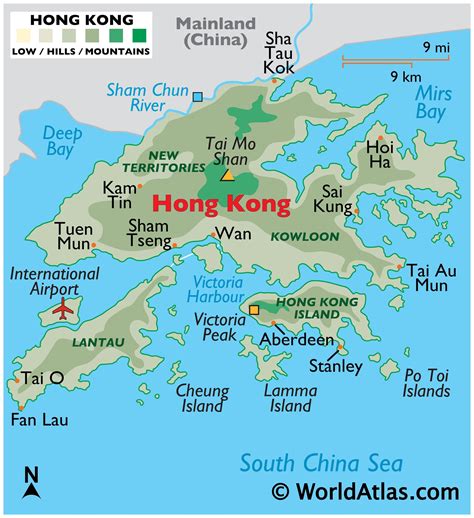
Lancôme, a leading global luxury brand in skincare and beauty, already has an established presence in Hong Kong through its owner, L'Oréal. The company possesses significant experience in building positive public relations and a deep understanding of traditional and modern communication channels. Lancôme's marketers have also collaborated with Chinese social media influencers, providing insight into regional nuances. However, a potential internal weakness is the brand's historical focus solely on wealthy customers, which could impact sales during economic downturns. Hong Kong's beauty market presents a unique socioeconomic landscape, with high incomes but a prevalence of middle-priced beauty products. This environment allows Lancôme to differentiate itself by offering premium products.
Lancôme's Marketing Strategies and Mix
Lancôme, a luxury cosmetics and perfume brand under the L'Oréal Group, has developed comprehensive marketing strategies and a well-defined marketing mix to maintain its position in the global beauty market.
1. Brand Positioning and Image
Brand positioning and image are central to Lancôme's strategy, ensuring the brand remains synonymous with luxury, elegance, and innovation. Since its inception in 1935, Lancôme has cultivated an image of sophistication and high-quality beauty products, deeply rooted in French heritage. The brand's positioning focuses on delivering prestige and exclusivity, appealing to affluent consumers seeking premium skincare, makeup, and fragrances. Strategic collaborations and high-profile endorsements, such as the partnership with Julia Roberts for the iconic fragrance La Vie Est Belle, reinforce this luxurious image and connect with a broad international audience. Lancôme's image is further maintained through product offerings and campaigns that highlight innovation and inclusivity, such as the "My Shade, My Power" initiative promoting a wide range of foundation shades.
2. Product Innovation and Range
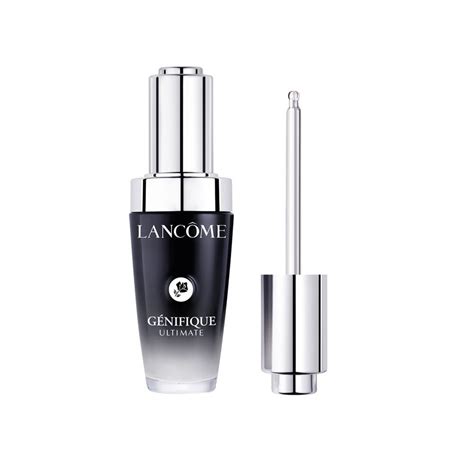
Product innovation and a diverse range are fundamental pillars of Lancôme’s marketing strategy. The brand continually invests in cutting-edge research and development to create advanced skincare and makeup products. The Advanced Génifique serum, utilizing probiotic fractions and biotechnology, exemplifies this commitment to scientific research and consumer insights. Lancôme's extensive product range caters to a broad spectrum of consumer preferences, offering comprehensive lines of skincare and makeup known for high performance and luxurious formulations. Recent additions, like the Teint Idole Ultra Wear foundation available in numerous shades, underscore Lancôme's dedication to inclusivity and customization.
3. Celebrity Endorsements
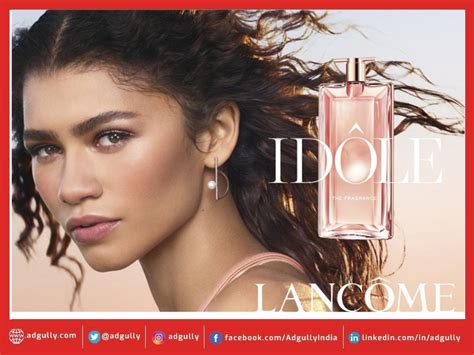
Celebrity endorsements are a cornerstone of Lancôme's marketing strategy, leveraging star power to enhance brand visibility and aspirational appeal. Lancôme strategically partners with celebrities who embody the brand's values. Julia Roberts' long-standing association with La Vie Est Belle exemplifies this, aligning timeless elegance with the brand's image. More recently, Lancôme has expanded its ambassador roster to include diverse figures like Zendaya, Lily Collins, and Lupita Nyong'o. Zendaya's endorsement appeals to a younger demographic, while Lupita Nyong'o's collaboration highlights the brand's commitment to inclusivity and representation, particularly with products like the Teint Idole Ultra Wear foundation.
4. Omni-Channel Marketing
Omni-channel marketing is pivotal for Lancôme, ensuring a seamless brand experience across physical stores, e-commerce platforms, mobile apps, and social media. Luxurious boutiques and department store counters offer personalized consultations and services. Digital engagement features virtual try-ons, personalized skincare diagnostics, and live chat support. Lancôme's mobile app provides tailored recommendations and exclusive offers. Strategic partnerships with major online retailers like Sephora and Amazon expand reach and accessibility. Initiatives like "click and collect" further integrate online and offline channels.
5. Digital Marketing and Social Media
Digital marketing and social media are integral to Lancôme's strategy, enabling connection with a global audience and maintaining its luxury image while staying current with trends. The brand utilizes platforms like Instagram to share visually compelling content, including product launches, tutorials, and behind-the-scenes glimpses, often in collaboration with influencers. Innovative digital campaigns feature interactive elements, such as virtual try-ons. Lancôme also embraces live streaming for product demonstrations and real-time interactions with beauty experts, leveraging data analytics to create tailored content.
6. Experiential Marketing
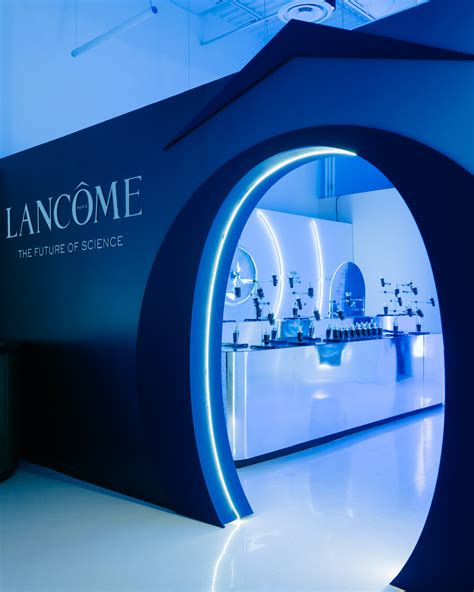
Experiential marketing creates memorable and immersive brand experiences that foster deep consumer connections. Lancôme's "House of Absolue" pop-up events offer interactive stations for personalized consultations and product previews. The "Lab of Dreams" experience allows hands-on product testing. Within retail environments, Lancôme creates luxurious spaces with visually stunning displays and dedicated areas for consultations and demonstrations. Initiatives like "beauty bars" for complimentary makeovers encourage lasting brand connections and loyalty.
7. Sustainability Initiatives
Sustainability initiatives are increasingly central to Lancôme's marketing strategy, reflecting a commitment to environmental responsibility and ethical practices. The brand focuses on eco-friendly packaging, including recyclable and refillable materials for products like the L'Absolu Rouge lipstick. Lancôme also supports broader initiatives for community support and ethical sourcing, partnering with programs to ensure responsible ingredient procurement. Philanthropic endeavors, such as supporting women's empowerment through the Lancôme Foundation, demonstrate a holistic approach to sustainability.
8. Seasonal Campaigns and Promotions
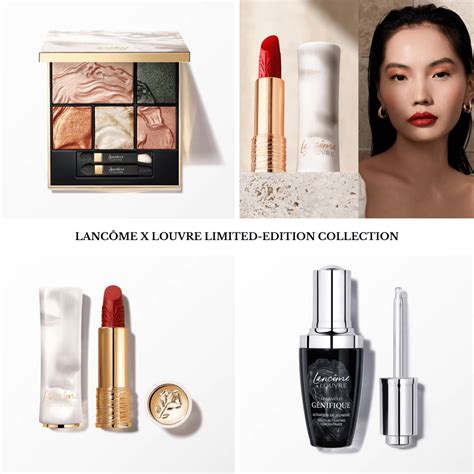
Seasonal campaigns and promotions are essential for creating excitement and driving sales during key retail periods. Lancôme aligns its activities with holidays and special occasions. The annual holiday collection features beautifully packaged gift sets and exclusive product launches, such as the sought-after "Holiday Beauty Box." Promotional events like "Black Friday" and "Valentine's Day" offer exclusive discounts and special offers, creating urgency and encouraging immediate purchases. The brand also strategically leverages collaborations, such as the Lancôme x Louvre Limited Edition Collection 2023, blending art with beauty through reimagined packaging and seasonal celebrations.
Lancôme's Marketing Mix
Lancôme's marketing mix is meticulously crafted to reinforce its brand identity and market position:
- Product: High-quality, innovative skincare, makeup, and fragrances, with a focus on luxury ingredients and formulations.
- Price: Premium pricing strategy reflecting the brand's luxury positioning and product quality.
- Place: Selective distribution through high-end department stores, specialty beauty retailers, e-commerce platforms, and owned boutiques globally.
Lancôme's Online Strategy and Customer Engagement
While positioned as a premium brand, Lancôme has strategically enhanced its online presence and e-commerce capabilities. The company integrates user data from ratings and reviews to personalize experiences and improve offerings. The internet serves as a vital tool for achieving greater success and brand objectives, with products promoted through relative information, technological advances, and fashion trends. Lancôme has successfully positioned itself in the beauty sector by offering a tailored luxury experience focused on customer satisfaction, underpinned by high-quality products crafted with natural ingredients.
The brand's commitment to a tailored luxury experience is further evidenced by its approach to personal selling, where managers are trained to provide expert guidance, often drawing from beauty school experience, differentiating them from competitors. Lancôme's campaign strategy is top-notch, focusing on high-end products with creative campaigns, such as the consistently popular Renergie line, which emphasizes firmer, lifted skin and anti-aging benefits. Seasonal or holiday collections, like the Lancôme x Louvre collaboration, further engage consumers by blending art with beauty and leveraging signature products with poise.