In the realm of personal care, there's a growing awareness and demand for products that are not only effective but also environmentally responsible. Eco-friendly lip balm is emerging as a significant trend, addressing concerns about plastic waste and synthetic ingredients often found in traditional formulations. This shift reflects a broader movement towards sustainability, where even small, everyday items can have a notable impact on the planet.
The concept of eco-friendly lip balm encourages consumers to make conscious choices, opting for products that prioritize the health of both their lips and the environment. This involves examining packaging, ingredients, and the overall sustainability practices of brands.
The Environmental Impact of Traditional Lip Balm
Traditional lip balms, while offering moisturization, often come with a significant environmental cost. A primary concern is the packaging. Most lip balm tubes are manufactured from non-recyclable plastic, leading to substantial waste that accumulates in landfills and pollutes oceans. It is estimated that nearly a billion plastic lip balm tubes are discarded annually, with these plastics taking up to 500 years to decompose.
Beyond packaging, the ingredients in many conventional lip balms also pose environmental challenges. Petroleum jelly, a common ingredient, is a byproduct of the oil industry. Its extraction contributes to the depletion of fossil fuels and can harm ecosystems and wildlife. Furthermore, the inclusion of synthetic fragrances and preservatives can lead to their leaching into the environment, causing additional harm.
These factors highlight how even seemingly small beauty products can contribute significantly to environmental damage. However, a growing number of consumers are opting for sustainable alternatives, demonstrating that individual choices can collectively drive positive change.
What is Plastic Pollution? Animated Factual Video 🐠 🐟 🐬
A Look at Key Natural Ingredients
The shift towards eco-friendly lip balms often involves a return to natural, time-tested ingredients. Understanding these components can help in making informed choices.
Coconut Oil
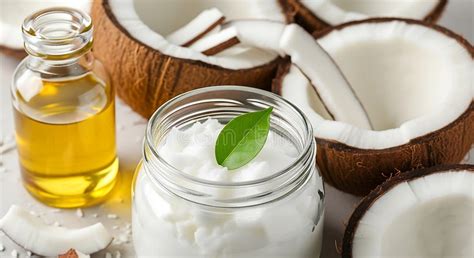
Coconut oil has gained popularity in both the health and beauty sectors. Chemically, it possesses a unique fatty acid profile, being predominantly saturated, with Lauric Acid making up about 50%. Unlike many plant oils rich in unsaturated fatty acids, coconut oil's saturated fatty acids have a linear structure that allows them to stack tightly, resulting in a solid state at room temperature. It melts around 25°C (77°F), transitioning from solid in its container to liquid upon contact with the skin. In skincare, it functions as an emollient and a thickening agent.
Castor Oil
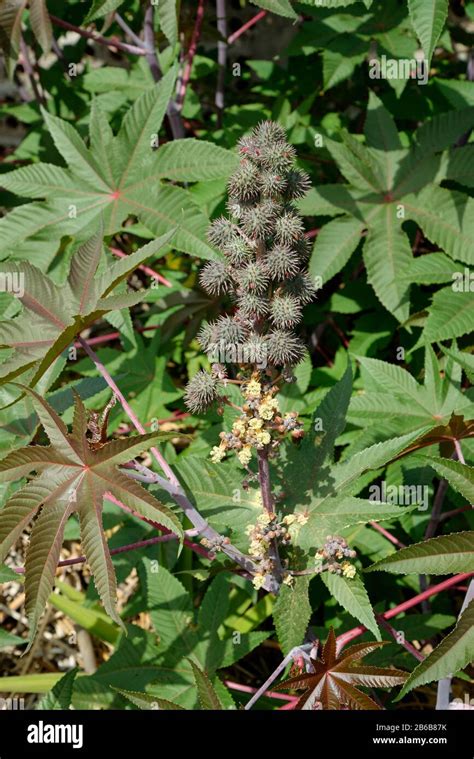
Sourced from the castor bean plant, native to tropical regions of Eastern Africa and the Mediterranean Basin, castor oil is an ancient ingredient with a history spanning over 4,000 years. Its distinctiveness lies in its primary fatty acid, ricinoleic acid (85-95%). This fatty acid features an additional water-loving hydroxyl (-OH) group, which imparts unique properties to the oil. Castor oil is notably thicker than other oils, possesses different solubility characteristics (e.g., soluble in alcohol but not mineral oil), and allows for various chemical modifications not possible with other oils. It also provides a higher gloss than most natural oils when applied to the skin.
Almond Oil
Derived from almonds, this emollient plant oil is rich in skin-nourishing fatty acids, including oleic acid (55-86%) and linoleic acid (7-35%). It also contains beneficial compounds such as antioxidant vitamin E and various vitamin B versions. Almond oil is a versatile ingredient valued for its smoothing, softening, and moisturizing properties.
Beeswax
Beeswax is a natural material produced by honey bees for constructing their honeycomb. In cosmetic formulations, it serves as an emollient and a thickening agent, contributing to the texture and stability of balms.
Vitamin E
Tocopherol, a form of vitamin E, is widely used in cosmetics as an antioxidant. It helps protect the skin from damage caused by free radicals.
History of Lip Balm
The practice of lip care dates back thousands of years. Ancient Egyptians utilized mixtures of beeswax and almond oil to shield their lips from the harsh desert sun. Even figures like Cleopatra are said to have employed natural lip treatments involving ingredients such as rose petals and honey.
The commercialization of lip balm began in the 19th century. In 1880, Charles Browne Fleet developed an early version of modern lip balm, described as resembling a candle wrapped in tin foil. The 20th century saw the mass production of lip balm, with petroleum-based formulas gaining widespread popularity. Today, lip balm is a ubiquitous accessory, and with increasing environmental consciousness, the demand for eco-friendly options is on the rise.
What to Look For in Eco-Friendly Lip Balm
Choosing an eco-friendly lip balm involves considering several key factors to ensure it is kind to both your lips and the planet.
Packaging
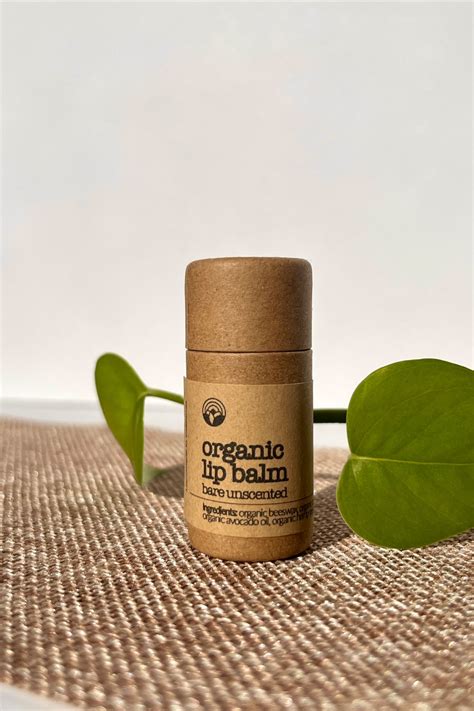
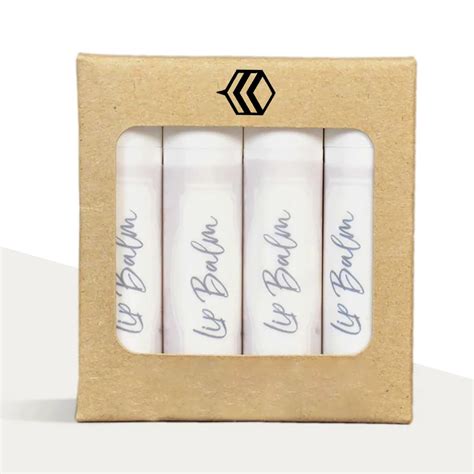
The ideal eco-friendly lip balm will feature packaging made from recyclable, biodegradable, or compostable materials. Options such as cardboard tubes or metal tins not only minimize plastic waste but also offer a distinct aesthetic.
Ingredients
It is advisable to avoid petroleum-based products and instead opt for natural alternatives like beeswax, shea butter, and coconut oil. Many eco-friendly brands also prioritize organic and cruelty-free formulations, ensuring ethical production practices.
Brand Commitment to Sustainability
Look for brands that are transparent about their sourcing practices, utilize renewable energy, and uphold fair trade and ethical labor standards. These indicators suggest a deeper commitment to creating products that benefit both consumers and the environment.
Featured Eco-Friendly Lip Balm Brands
Several brands are leading the way in providing effective and sustainable lip care solutions.
Ethique
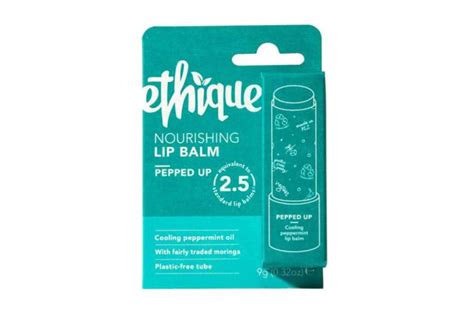
Ethique is a pioneer in zero-waste beauty. Their eco-friendly lip balms are packaged in biodegradable cardboard tubes and contain nourishing ingredients such as cocoa butter and moringa oil. The products are cruelty-free, vegan, and contribute to waste reduction.
Nirvana Natural
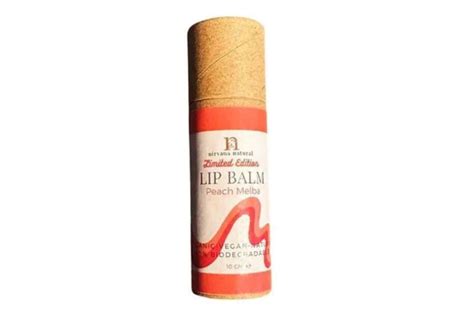
Nirvana Natural offers a range of luxurious eco-friendly lip balms formulated with organic ingredients like shea butter and beeswax. These balms are presented in recyclable tins and are free from harmful chemicals, providing natural care for the lips and the environment.
Wild
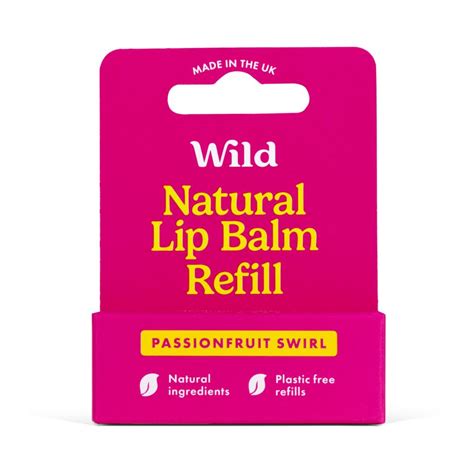
Known for their refillable deodorants, Wild also offers eco-friendly lip balms. These are housed in fully recyclable aluminum tubes and are made with natural ingredients such as cocoa butter and sunflower seed oil. Wild's products aim to hydrate lips while minimizing plastic waste.