Calendula oil is a natural oil derived from the flowers of the marigold plant, specifically Calendula officinalis. It is frequently employed as a complementary or alternative treatment and may also serve as an antiseptic. The production of calendula oil involves infusing marigold flowers in a carrier oil. This infused oil can be utilized directly or incorporated into the creation of ointments, creams, or salves. Beyond oil, calendula can be processed into tinctures, teas, and capsules. This article delves into the potential advantages of calendula oil for the skin and provides insights into where calendula products can be found.
Calendula oil is recognized for its potential to address various skin conditions and enhance the overall quality and appearance of the skin. Here are several ways calendula oil may be beneficial for skin health.
Potential Skin Care Benefits of Calendula Oil
Sun Protection
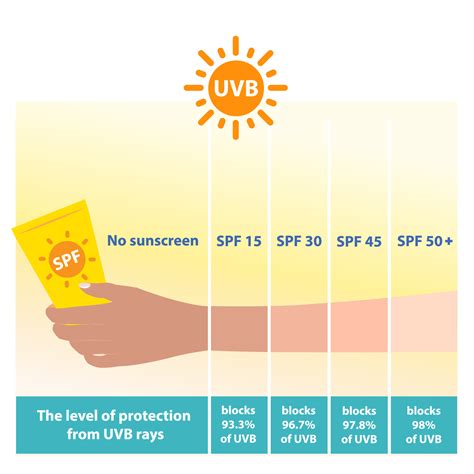
Calendula oil may offer a degree of sun protection. A 2021 study examining the effects of calendula essential oil on skin aging indicated that creams enriched with calendula oil possessed an SPF value of 18.54. The Centers for Disease Control and Prevention (CDC) advises the use of sunscreen with an SPF of at least 15. However, further research is needed to definitively establish the efficacy of calendula oil in shielding the skin from the sun. In the interim, it is prudent to rely on sunscreens with proven effectiveness in reducing the risk of skin cancer and other sun-related skin issues.
Wound Healing
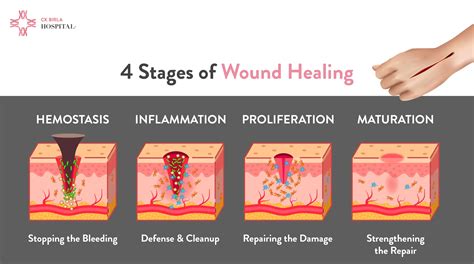
Calendula oil holds potential for accelerating wound healing. A comprehensive 2019 review of animal studies and clinical trials highlighted that Calendula officinalis flower extract possesses wound-healing properties. Specifically, animal studies suggested a potential for promoting healing during the inflammatory phase and increasing the production of granulation tissue. Nonetheless, the review noted that some studies, such as those investigating burn healing, yielded mixed results. One particular trial found no significant effect when Calendula officinalis flower extract was used to treat a diabetic leg ulcer. Consequently, more human-based studies are necessary. It is essential to always adhere to medical advice when treating wounds.
Eczema and Diaper Dermatitis
While direct research supporting the use of calendula oil for adult eczema is limited, some individuals utilize it to manage symptoms. However, a 2018 study indicated that calendula ointment might be suitable for treating diaper dermatitis in infants.
Psoriasis Management
A 2021 study suggested that the anti-inflammatory properties of calendula oil could be beneficial in treating psoriasis. Nevertheless, additional human studies are required to fully understand this potential application.
Improved Skin Health and Antioxidant Properties
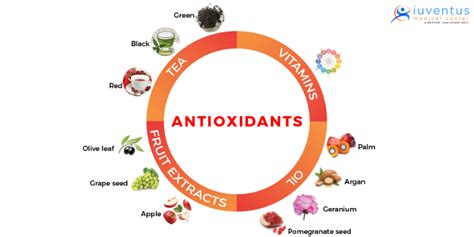
Calendula oil may contribute to an improved overall skin appearance. A 2023 review suggested that the antioxidant properties of flavonoids present in calendula oil can aid in protecting the skin. Additionally, coumarins found in calendula flowers might help prevent oxidative damage to cells, thereby further safeguarding the skin.
Understanding Calendula Officinalis
Calendula officinalis, commonly referred to as the garden marigold, is a vibrant yellow-orange flower belonging to the daisy family (Asteraceae). For centuries, it has been utilized in traditional practices, with its petals and extracts being recognized for their soothing capabilities. Today, calendula remains a significant ingredient in topical skincare products, valued for its ability to aid in the healing of cuts, scrapes, and minor burns.
Active Compounds and Their Role
Extracts from calendula flowers have been investigated for their capacity to support skin healing, attributed to active compounds within the plant, including carotenoids, polysaccharides, and flavonoids. Research indicates that these constituents promote the growth of new skin tissue and encourage the repair of damaged skin, both crucial for wound recovery.
Methods of Preparation and Application
Infused Oil Preparation
The healing properties of calendula can be effectively extracted through an oil infusion process. A variety of carrier oils can be used, each offering its own distinct benefits. Sunflower seed oil is a readily available and cost-effective option that provides numerous therapeutic advantages for the skin. The ratio of oil to calendula petals for infusion depends on the desired quantity. It is advisable to prepare smaller batches to ensure freshness, as more can always be made later.
To prepare an infusion, place dried calendula petals in a jar and add enough carrier oil to completely cover them. Additional oil may be required as the petals absorb the oil. Allow the mixture to infuse for two to three weeks, shaking or stirring it daily. For a more potent infusion, a double infusion can be performed by straining out the original petals and adding fresh dried petals to the oil, infusing for another two to three weeks.

Direct Application of Petals
Fresh calendula petals can be applied directly to minor scrapes or bumps. These petals can assist in stopping mild bleeding, reducing swelling, and promoting healing. Applying a few petals to a cut, scrape, or sting and securing them with a bandage can be effective. The petals should be replaced with fresh ones every few hours.
Tinctures and Other Preparations
Tincture of calendula is another form that can be used to support wound healing. Calendula-infused oil can be used directly on the skin or as a base for creating ointments or creams. These preparations are particularly beneficial for dry, chapped lips and skin during winter and can also help protect against photodamage and photoaging from sun exposure.
Tips for Applying Calendula Topicals
For optimal results when using calendula first aid creams, ointments, and gels, consider the following advice:
- Apply a thin layer to clean, dry skin.
- Avoid thick applications that might trap moisture or impede airflow.
- Do not combine with other topical products, as this can affect absorption.
Creams and ointment formulations offer moisturizing benefits and are well-suited for wound care. Gels provide a cooling sensation, making them a refreshing choice for mild irritations such as razor burn or insect bites.
Safety Considerations and Precautions
Calendula is generally considered safe when consumed in food. However, when applying it topically, certain considerations are important:
- Allergies: Avoid calendula if you have an allergy to plants in the Asteraceae/Compositae family.
- Pregnancy and Nursing: It is advisable to avoid calendula if you are pregnant or nursing, as there is insufficient information to confirm its safety in these conditions.
- Patch Test: Performing a patch test before using calendula oil is highly recommended. The American Academy of Dermatology suggests applying a quarter-sized amount of product to the skin twice daily for 7 to 10 days before using skincare products on larger skin areas.
- Wound Infections: While calendula can be effective in healing skin tissue and preventing infection, it should not be used on wounds that are already infected or are deep.

Calendula topicals are typically well-tolerated. Allergic reactions are rare and usually occur only with highly concentrated or excessive use. If you have sensitive skin or a known allergy to plants in the daisy family, test the product on a small area first.
Choosing the Best Calendula Preparation
While calendula extracts have been studied for their role in skin healing, homeopathic preparations are distinct in their preparation and usage. Homeopathic calendula is traditionally used in topical medicines and is prepared according to the standards of the Homeopathic Pharmacopoeia of the United States (HPUS), which is recognized for quality and preparation by reputable manufacturers and the federal government.
Advantages of Homeopathic Preparations
Homeopathic preparations offer several benefits. The extract is created by macerating the calendula plant at room temperature in a purified water and ethanol solution, a process designed to preserve active compounds. The flowers are cultivated without chemical fertilizers or pesticides, and both the raw material and the finished product are subjected to stringent pharmaceutical quality controls. As homeopathic preparations of calendula are regulated as drugs, they come with clear indications and usage directions, assisting both patients and healthcare professionals.
Some research suggests that calendula oil may be beneficial for protecting the skin, aiding wound healing, and treating dermatitis. However, more research is necessary to fully understand its potential benefits. Always consult with your doctor before using calendula oil to treat any condition that may require medical attention.