Achieving healthy, radiant skin is a common goal, and moisturiser is often considered a key component in achieving that desired glow. However, our skincare practices, particularly how we use moisturisers, can sometimes lead to unintended negative consequences. The products we apply to our skin and the methods we use can have a significant impact. This raises the question: can moisturiser cause pimples, or is it beneficial for acne-prone skin? Understanding the signs of over-moisturising is also crucial.
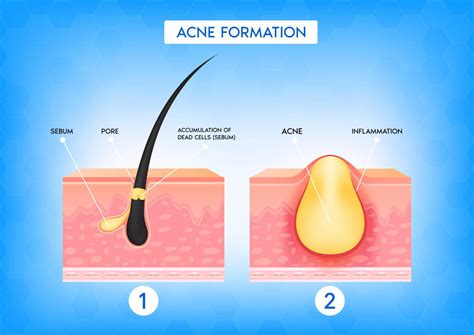
Fortunately, moisturiser itself does not directly cause acne. The issue often lies in the application and the type of moisturiser used. Over-moisturising can indeed have detrimental effects on the skin. It can lead to clogged pores, trap dead skin cells on the surface, and impede the skin's ability to receive oxygen.
Conversely, moisturisers can be beneficial for acne in moderation. They can help to soothe and relax the skin while minimizing the appearance of pores.
Understanding Over-Moisturising and Its Signs
While moisturiser is essential, using too much product or selecting inappropriate formulations can lead to skin issues. Dermatologists recommend using only a pea-sized amount, or one pump, of moisturiser to cover both the face and neck. Surprisingly, many individuals use significantly more product than necessary.
The principle of "less is more" often applies to moisturiser application. High-quality moisturisers are typically concentrated, delivering effective results with minimal usage. Excessive application, however, can be harmful, triggering unwanted reactions and flare-ups. Often, the damaging side effects of over-moisturising are not recognized until they have already manifested.
Fortunately, several telltale signs can indicate that you might be over-moisturising:
1. Clogged Pores
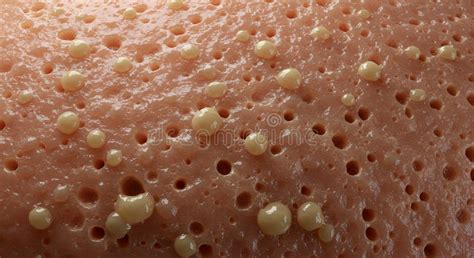
Clogged pores are a distinct indicator of over-moisturising. Applying excessive product or opting for heavy, thick moisturisers can often block pores and hair follicles. This blockage traps oil and dead skin cells beneath the skin's surface.
While there are at-home methods for unclogging pores, professional facial treatments offer the most effective and safest way to clear congestion and improve skin clarity without risking damage to surrounding skin.
2. Increased Spots and Acne Breakouts
Clogged pores can exacerbate existing acne or lead to new breakouts. When you apply moisturiser, your skin absorbs what it needs, but any excess product remains on the surface. This lingering layer of excess moisturiser can attract bacteria and dirt, creating an environment conducive to infection. If clogged pores become infected, it can result in inflamed acne, characterized by swelling, redness, and deeply impacted pores.
3. Skin Redness and Rashes
While sensitive skin can react to various products, the development of a rash or persistent skin redness might signal over-moisturising. These reactions can be accompanied by irritation, itchiness, and sometimes dry or flaky skin. Given that redness and rashes can stem from multiple causes, such as rosacea, consulting a dermatologist is advisable.
To address skin redness potentially caused by over-moisturising, identifying triggers is key. If excessive moisturiser use is a contributing factor, switching to a milder formulation and using it sparingly should help resolve the issue.
4. Disruption of Sebum Production
Over-moisturising can negatively impact the skin's natural sebum production. This is particularly problematic for individuals with oily skin. While sebum plays a vital role in maintaining skin health and reducing the appearance of wrinkles, an imbalance can lead to unwanted consequences.
5. Milia Formation
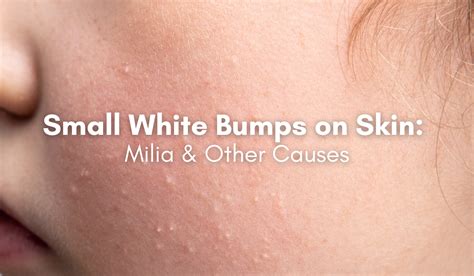
Clusters of small white bumps on the face can be a sign of over-moisturising. These bumps are known as milia and occur when certain skin proteins become trapped within pores. Unlike acne, milia are not typically inflamed. It is important not to attempt to pop milia, as they usually resolve on their own with adjustments to the skincare routine.
6. Dry Skin
Paradoxically, dry skin can be a symptom of over-moisturising, especially for those who haven't previously experienced dryness. This occurs because excessive use of skincare products can suppress the skin's natural oil production. Dealing with dryness caused by over-moisturising often requires adjusting the skincare regimen to allow the skin's natural oil production to rebalance.
Choosing the Right Moisturiser for Blemish-Prone Skin
When addressing the question of whether moisturiser can cause pimples, it's important to consider the type of moisturiser used. Some individuals mistakenly believe that moisturisers add excess oil to the skin, worsening blemishes, or that drying out the skin is the solution to excess oil. This is a misconception; moisturisers are essential for all skin types, including those prone to blemishes, as they provide hydration and help seal in moisture, supporting a healthy complexion.
For skin prone to mild acne, moisturisers can offer comfort and hydration, helping to prevent extreme oiliness or dryness. Products formulated with essential ceramides, like those in CeraVe facial moisturisers, can help maintain and restore the skin's moisture barrier.
The Skin Barrier function
Debunking Moisturiser Myths
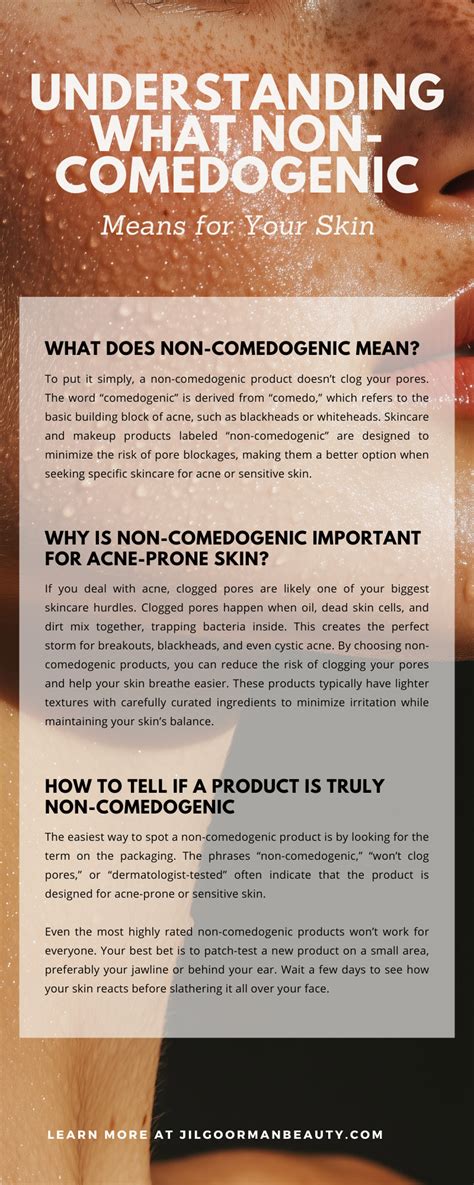
A common myth is that moisturisers are not suitable for acne-prone skin. However, facial moisturisers designed for mild acne-prone skin are typically formulated without pore-clogging ingredients. Look for labels that state "non-comedogenic," indicating that the product is designed to hydrate without blocking pores, making it an ideal choice.
Selecting a Non-Comedogenic Moisturiser
When choosing a moisturiser, particularly for blemish-prone skin, opt for products labelled "non-comedogenic" and "oil-free." It's also beneficial to select products developed with dermatologists, ensuring they are well-formulated and approved by skincare experts. Fragrance-free, allergy-tested products containing beneficial ingredients like ceramides, hyaluronic acid, and niacinamide are also recommended.
It is crucial to remember that each person's skin is unique. Pay close attention to how your skin reacts to new skincare products. If you notice increased oiliness, redness, or irritation, the product may not be suitable for you. If you are concerned that your moisturiser might be contributing to blemishes, consult a healthcare professional.
References:
- Chularojanamontri L, et al. Moisturizers for Acne: What are their Constituents? J Clin Aesthet Dermatol.
- Lynde CW, et al. Moisturizers and Ceramide-containing Moisturizers May Offer Concomitant Therapy with Benefits. J Clin Aesthet Dermatol. 2014 Mar;7(3):18-26.
tags: #can #moisturizer #clog #pores