As the seasons change, many people begin to notice familiar symptoms such as sneezing, congestion, watery eyes, and general irritation. Spring and fall, in particular, bring high pollen counts that can trigger seasonal allergies. Redness, itching, rashes, or hives can leave patients wondering whether they are dealing with environmental allergies or a true skin condition. While the symptoms can overlap, the causes and treatments are different.
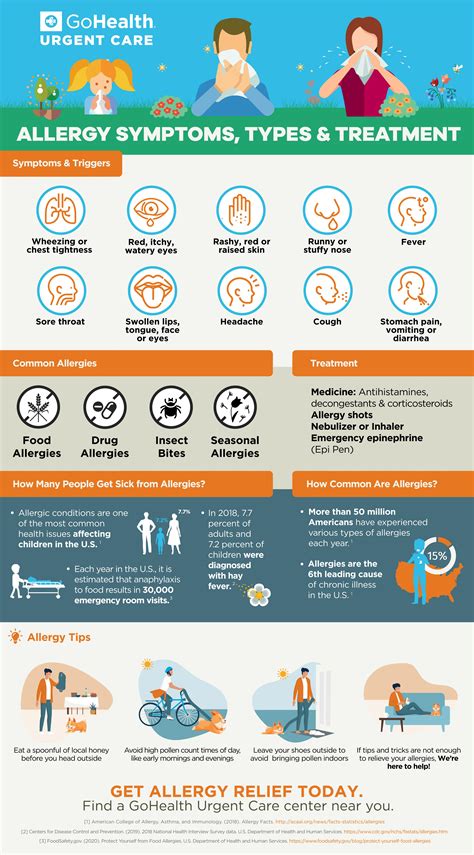
At Clinical Associates, we regularly evaluate patients experiencing seasonal allergy symptoms as well as those with dermatologic concerns. Understanding the distinction between these conditions is crucial for effective treatment.
What Are Seasonal Allergies?
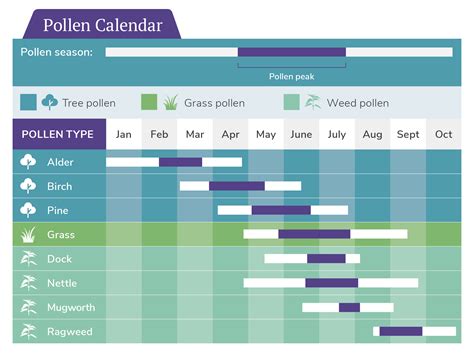
Seasonal allergies, also known as allergic rhinitis or hay fever, happen when your immune system reacts to airborne allergens. These allergens include tree pollen in the spring, grass pollen in the early summer, or ragweed in the fall. The most common symptoms affect the respiratory system. Sneezing, nasal congestion, post-nasal drip, itchy eyes, and throat irritation are typical. Some people also experience mild skin sensitivity, particularly around the eyes or face, as a secondary effect of histamine release.
Differentiating from Skin Conditions
It is important to distinguish seasonal allergy skin manifestations from primary dermatologic issues. Several conditions can present with similar symptoms:
Contact Dermatitis
Contact dermatitis occurs when the skin reacts to direct contact with an irritant or allergen. A new laundry detergent, skincare product, metal jewelry, or even plant exposure can cause redness and itching localized to the area of contact.
Eczema (Atopic Dermatitis)
Eczema, or atopic dermatitis, is another common condition that can worsen during seasonal changes. Unlike seasonal allergies, eczema tends to be chronic. It often presents as dry, scaly patches that flare periodically and may require ongoing skin management.
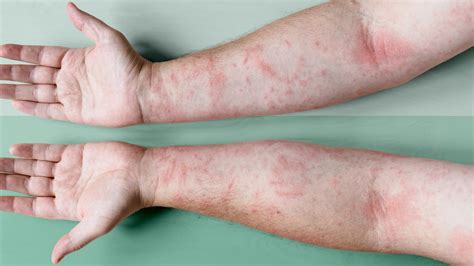
Hives (Urticaria)
Hives, or urticaria, can also complicate the picture. These raised, itchy welts may appear suddenly and disappear within hours. While they can be triggered by allergies, they may also result from stress, temperature changes, medications, or unknown causes.
Identifying the Cause: Key Clues
The timing and pattern of your symptoms provide important clues to help determine the cause:
- Timing: If itching and irritation consistently worsen during peak pollen seasons and improve when pollen counts drop, seasonal allergies are more likely the cause.
- Location: Allergy-related symptoms typically involve the eyes, nose, and throat first. Skin sensitivity may be a secondary effect, often around the face or eyes. Primary skin conditions like contact dermatitis will be localized to the point of contact.
- Response to Treatment: Over-the-counter antihistamines may improve allergy-related itching. However, persistent rashes that do not respond to allergy medications often require specific dermatologic care.
Seeking Professional Evaluation and Treatment
While mild irritation may resolve on its own, ongoing or worsening skin symptoms shouldn’t be ignored. At Clinical Associates, our dermatology services focus on identifying the root cause of skin symptoms rather than simply masking them.
During your visit, your provider will review your medical history, evaluate environmental exposures, and examine the affected areas carefully. Treatment depends on the underlying diagnosis. For seasonal allergy-related irritation, antihistamines and allergen avoidance strategies can provide relief. Our approach at Clinical Associates is personalized to address your specific needs.
What are Allergies? (HealthSketch)
Seasonal allergies and skin reactions can be frustrating. If you are experiencing persistent skin irritation or allergy-related concerns, contact Clinical Associates to schedule an appointment.