The world of skin rejuvenation has seen a major shift with the introduction of pico laser technology. Celebrities swear by it, influencers rave about it, and dermatologists are increasingly using it. The pico laser has taken the skincare industry by storm, offering a cutting-edge solution for various skin issues, including stubborn pigmentation, fine lines, and acne scars. What sets this laser apart is its ability to deliver high-intensity energy in ultra-short pulses, working wonders in a fraction of a second without the harsh side effects of traditional lasers. This article explores the impressive results of pico laser treatments and what you can expect.
What to Expect Before Your First Pico Laser Treatment
Before your first pico laser session, there are a few things to consider. The DualPico Laser is designed for minimal discomfort, so long, painful procedures are not a concern. During your consultation, the practitioner will assess your skin to determine if you are a good candidate for the treatment and tailor the session to your specific needs.
On treatment day, a topical numbing cream will likely be applied to reduce discomfort. Many people describe the sensation as mild, similar to a rubber band snapping on the skin. The session usually lasts between 15 to 30 minutes, depending on the area being treated, making it a quick and convenient option.
Pico Laser Treatment in Action: How It Works
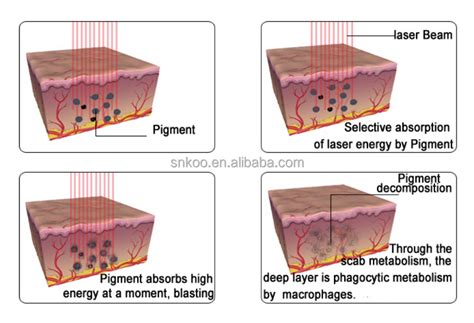
The DualPico Laser Workstation delivers energy through ultra-short picosecond pulses, each lasting a trillionth of a second. This revolutionary technology allows the laser to target deeper skin layers with precision, breaking down pigments, collagen, and other skin imperfections without damaging the surrounding tissue. The rapid pulses are effective in treating multiple skin concerns like hyperpigmentation, melasma, acne scars, and even tattoo removal.
Because the energy is delivered in such short bursts, heat build-up is minimized. This leads to quicker recovery times and a lower risk of side effects compared to traditional lasers. Your skin not only looks better but also regenerates and heals more effectively, making the pico laser a powerful tool in modern skincare.
Before and After: Real Results After One Pico Laser Treatment
After just one pico laser treatment, immediate results can be surprising. Right after the procedure, you might experience some mild redness and slight swelling, which typically subsides within a few hours. This is a normal sign that the skin is responding to the treatment.
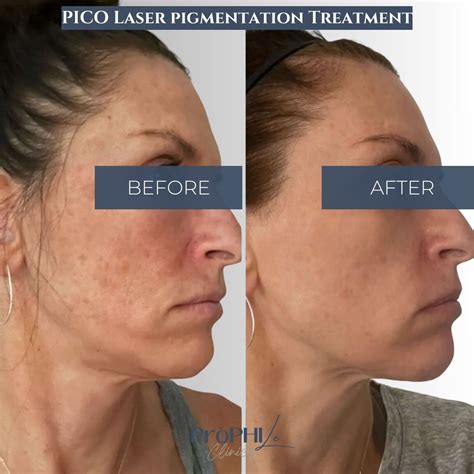
For many, the first noticeable difference appears within a few days. The skin begins to look smoother, brighter, and more even-toned. Pigmentation issues, such as age spots, sun spots, or melasma, start to fade, and fine lines may appear softened. Acne scars become less pronounced, giving the skin a clearer, more youthful appearance.
While one treatment can deliver visible improvements, it's important to remember that the skin continues to heal and regenerate in the days and weeks following the treatment. For some conditions, like deep pigmentation or severe acne scarring, a series of treatments may be required to achieve optimal results.
Factors Influencing Results After One Treatment
How well you respond to pico laser treatment depends on several factors. Your skin type and the specific concerns you are treating will influence how quickly you see results. For example, individuals with lighter skin may notice faster improvements, but the DualPico Laser is safe and effective for all skin types.
Age and overall skin health also play a role. Younger, well-hydrated skin tends to regenerate faster, while older skin or skin with more significant sun damage might take a bit longer to show dramatic changes. However, pico lasers are known for their ability to stimulate collagen production, so even those with more mature skin can see noticeable improvements in texture and tone over time.
Long-Term Results and Multiple Sessions
While one session of pico laser can yield impressive results, multiple treatments typically bring out the best in your skin. As the collagen and elastin fibers in your skin are stimulated over time, you will notice a gradual improvement in skin texture, elasticity, and tone. Acne scars and wrinkles continue to soften, and pigmentation issues like sun damage or melasma may fade significantly.
After a few sessions, the skin appears visibly smoother, plumper, and more youthful, leaving you with a refreshed, rejuvenated look. The pico laser's ability to treat multiple layers of the skin simultaneously provides a comprehensive approach to skin concerns and enhances long-term skin health.
When patients visit Springhouse Dermatology for their initial consultation, they will meet with Dr. Weishar or Dr. Clark to discuss the areas they would like to treat and their desired results. Patients will be asked to cleanse before the procedure begins to ensure the best outcomes. Once protective eyewear is in place, the sensation of the laser will be demonstrated on a test area of the skin before carrying on with several passes of the laser. The process may take as little as 15 minutes, with patients experiencing minor discomfort, often described as a rubber band snap against the skin.
PICO Genesis in Philadelphia is an effective form of treatment for patients of all skin types. Though patients may occasionally experience redness and swelling immediately following the treatment, PICO Genesis is a zero downtime procedure. You can expect to return to your daily routine immediately following a session without concerns about excessive sun exposure or healing time. In many cases, patients will begin to see transformative improvements before they even leave the office. Results can appear after just one treatment, but final results are typically visible in 2-4 weeks.
Some patients have seen quicker results in improvement for acne scars by combining Fraxel and PICO Genesis. Together, these treatments complement each other by addressing multiple skin concerns-Fraxel rejuvenates and smooths, while PICO Genesis brightens and evens out tone. As with any laser treatment, PICO Genesis in Philadelphia can, in rare cases, lead to pigmentary abnormalities. Additionally, if the laser device is not used correctly, patients can experience burns and scarring. Dermatologists at Springhouse are among the most experienced in Philadelphia.
Typically, PICO Genesis costs anywhere between $750 and $1000, depending on the size of the area being treated and whether the décolletage is included. A spot treatment will cost between $350 and $750.
PICO Genesis treatment uses a YAG laser, which is the same type used for laser hair removal in patients with darker skin tones. With PICO Genesis treatment, results do vary depending on the patient. The majority of our patients experience results that last between 6 and 12 months before needing a top-up treatment.
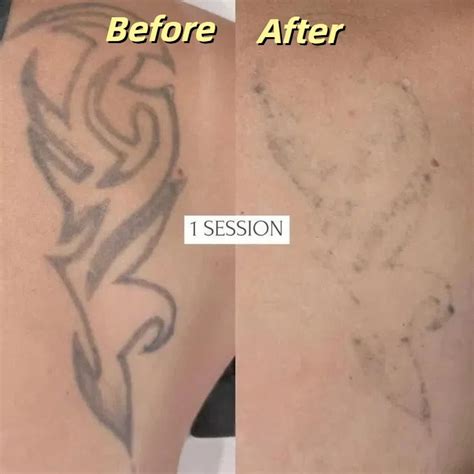
The PicoSure Laser is an advanced, non-ablative aesthetic laser manufactured by Cynosure. Its versatility is one of its most significant benefits. Traditional tattoo removal could take 10 to 20 sessions, but the PicoSure Laser targets tattoo ink, shattering it. Before & After: Tattoos that were previously unresponsive to other lasers begin to fade rapidly.
Process: The laser shatters the concentrated melanin.
Number of Sessions: Most patients see excellent results after 2-4 treatments, spaced 2-4 weeks apart.
Before & After: A dramatic evening of skin tone is achieved.
Before & After: The depth and appearance of atrophic (indented) scars are visibly reduced.
Tattoo Removal and Pigmentation (Sunspots): The results for tattoo removal are considered permanent, as the ink particles are physically eliminated from the body.
Skin Rejuvenation (Collagen and Elastin): The new collagen and elastin produced provide long-lasting improvement in skin firmness and texture. However, the natural aging process continues, and new fine lines may eventually form.
Melasma: Melasma is a chronic skin condition driven by multiple factors (hormones, heat, sun) and often requires ongoing management.
Pre-Treatment and Post-Treatment Care
Avoid Sun Exposure: For at least 2 weeks before treatment, strictly avoid prolonged sun exposure and tanning beds on the treatment area.
Sunscreen: This is the most critical step. Apply a broad-spectrum sunscreen with an SPF 30 or higher daily and reapply every two hours, even if indoors.
Gentle Cleansing and Hydration: Cleanse the area with a mild, non-abrasive cleanser and cool water. Keep the area well-moisturized with a soothing, non-irritating product recommended by your clinic. Do not pick or scratch any darkened spots or crusting.
Best Products to Use Post-Pico Laser: A good post-Pico regimen should include a gentle cleanser, fragrance-free products, broad-spectrum SPF with physical blockers (like titanium and zinc), a hydrating moisturizer, and an occlusive product like Aquaphor. Once the skin has healed, you can layer back in antioxidants, niacinamide, azelaic acid, or prescription lighteners if you are treating hyperpigmentation.
Does Pico Laser Hurt?
Pico Laser treatments are typically very tolerable when used to address discoloration. Most patients describe it as a quick snapping sensation, and numbing is usually not necessary because the pulses are so fast. However, for tattoo removal, which requires more energy and a longer time on a particular area, the treated area may be injected with a local anesthetic to make the procedure more comfortable.
What Does Recovery Look Like Post-Pico?
One of the biggest perks of a Pico Laser treatment is its minimal downtime. You might see mild redness or a light ‘peppering’ effect where the pigment darkens before it flakes away. This is completely normal and usually subsides within hours to a couple of days. Patients are advised to avoid sun exposure, heat, sweating, and active ingredients for 48 to 72 hours.
When Will I See Results From Pico Laser?
For brown spots and uneven tone, patients might see brighter, more even skin within a few weeks, with continued improvement over several sessions as the immune system clears pigment. While results are long-lasting, they are not permanent, as new sun damage, hormones, and inflammation can create new pigment. Yearly maintenance is recommended to keep skin bright. For texture, pores, and fine lines, the collagen boost can last months to years. Still, ongoing maintenance with procedures, home skincare, and sun protection is key. Tattoo removal is considered permanent, though there can be some faint ink that persists.
How Does Pico Laser Compare to Other Lasers?
When searching for the best easy-to-recover laser for pigmentation, you might also hear about Intense Pulsed Light (IPL) and Broad Band Light (BBL) lasers. The key difference is that Pico lasers do not use heat and can target deeper pigmentation than IPL and BBL. IPL and BBL use heat and broad-spectrum light, which is not safe for deeper skin tones or melasma. Pico lasers are also better suited than IPL or BBL lasers if you are looking for more targeted treatment and want to focus on individual dark spots, which can be helpful for stubborn sun spots, freckles, and pigmented scars.
Pico Lasers, in general, are favorable because the pulses are so short, they create a sound-wave effect that shatters unwanted pigment or tattoo ink into tiny particles with very little heat created. When treating with lower energy passes of this fractional beam, it is often called picotoning.
A "Pico laser" is not a single machine but a family of lasers that fire energy in picoseconds. Depending on the model, each Pico Laser treats different concerns. For example, when removing a tattoo, PicoWay is best for darker ink, while PicoSure can be better suited for treating more vibrant colors. For smoother, more taut skin, the PicoSure Pro is recommended. Some devices can also deliver the beam in a fractional pattern, which stimulates collagen and elastin and helps with texture, pores, and fine lines.
Pico Lasers for skin conditions| Dermatologist reviews
The standout benefits of the Pico Laser include its versatility in treating a range of concerns, including boosting collagen production, smoothing texture (such as acne scars), and removing tattoos. It can treat areas from the neck down, too. Pico Laser treatments are speedy, often requiring fewer sessions than older, nanosecond lasers, and they involve faster recovery with minimal downtime of 24 to 48 hours.
The best candidates for Pico Laser Treatments are people with pigmentation issues like sunspots, melasma, and post-inflammatory hyperpigmentation, as it can help brighten and even out skin tone. Because it is non-thermal, Pico is safe for all Fitzpatrick skin types, including deeper skin tones and those prone to melasma or post-inflammatory hyperpigmentation. Anyone struggling with pigmentation, uneven texture, or dullness is a great candidate.
Even though pico lasers are generally safer and gentler than many traditional lasers, they are still powerful medical devices. Risks are low, but temporary redness, swelling, or darkening of pigment can happen. Post-inflammatory hyperpigmentation can occur if aftercare protocols are not followed. It is also possible to experience hypopigmentation, where the skin looks lighter. Sun protection is mandatory as your skin heals, and choosing an experienced provider makes a huge difference.