It’s a common frustration: you meticulously follow your nighttime skincare routine, hoping to wake up with clearer skin, only to discover a new breakout. While finding the right products for acne-prone skin often involves time, trial, and error, certain skincare items, including toners, can sometimes contribute to or worsen acne. Understanding how toners interact with your skin is crucial for managing breakouts and achieving a clearer complexion.
Understanding Acne and Skincare Mistakes
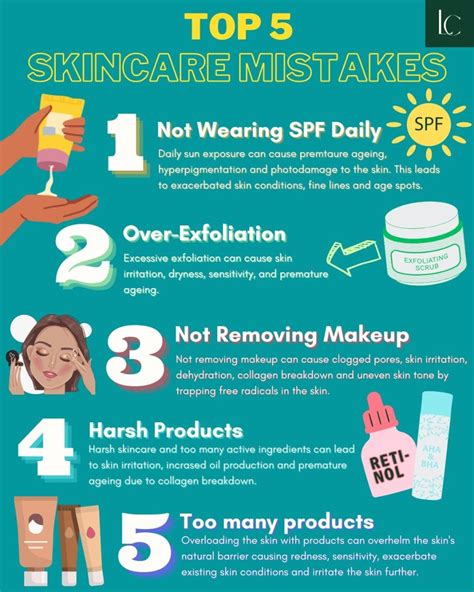
A well-intentioned skincare routine can sometimes lead to breakouts if not approached carefully. Even seemingly small habits can sabotage your skin's health. Recognizing common skincare mistakes is the first step toward preventing acne.
Common Skincare Mistakes That Can Worsen Acne
- Over-cleansing: Washing your face excessively can strip the skin's natural barrier, leading to increased sebum production and more breakouts.
- Skipping Moisturizer: While it might seem counterintuitive, skipping moisturizer can cause sebaceous glands to produce more sebum, creating an environment conducive to bacteria and acne.
- Using Comedogenic Ingredients: Certain ingredients, even natural ones like coconut oil, jojoba oil, and cocoa butter, can clog pores and trap debris on the skin's surface.
- Over-exfoliating: Aggressive exfoliation, especially with microbeads, can cause microtears and skin irritation, potentially worsening acne.
- Using Too Many Products at Once: Layering numerous serums, toners, and moisturizers can overwhelm the skin, clog pores, and trigger breakouts. Simplicity is often key for acne-prone skin.
- Layering Products in the Wrong Order: Applying products from thickest to thinnest consistency can prevent active ingredients from penetrating the skin effectively. The correct order ensures optimal absorption.
- Not Washing Your Face After Sweating: Sweat can feed bacteria on the skin, potentially clogging pores and causing irritation. Allowing sweat to sit on the skin can lead to breakouts.
Skincare Ingredients to Avoid if You Have Acne-Prone Skin
Identifying and avoiding ingredients that can clog pores and worsen acne is essential for managing breakouts. Many products marketed as "natural" or "hydrating" may contain hidden culprits.
Ingredients That Can Worsen Acne:
- Fragrance: Often listed as "parfum," synthetic fragrances can increase the risk of allergies and skin irritation.
- Coconut oil: Highly comedogenic, meaning it can easily clog pores.
- Lanolin: While moisturizing, lanolin is a common allergen that can irritate the skin.
- Isopropyl myristate: Frequently used as a base in moisturizers, it is known to clog pores.
- Alcohol-based toners: These can dry out and irritate the skin, triggering increased sebum production and breakouts.
- Silicones: Some silicone-based products are hydrophobic and can remain on the skin, trapping bacteria and debris.
Carefully examining ingredient labels can help you avoid triggers and protect your skin from potential breakouts.
What to Look for Instead: Acne-Friendly Skincare Essentials
Creating a skincare routine that supports acne-prone skin involves choosing products specifically designed to be gentle and effective. Prioritizing the right formulations can make a significant difference.
Acne-Friendly Skincare Characteristics:
- Non-comedogenic formulas: Products labeled as "non-comedogenic" are designed to minimize the likelihood of clogging pores.
- Gentle, sulfate-free cleanser: A mild cleanser cleanses the skin without stripping essential natural oils or causing irritation.
- Oil-free, lightweight moisturizer: Essential for hydration, water-based moisturizers provide moisture without adding excess oil.
- Targeted spot treatments: Ingredients like salicylic acid help clear clogged pores, while benzoyl peroxide combats acne-causing bacteria.
- Niacinamide + zinc: This combination helps reduce inflammation, regulate oil production, and improve skin tone.
- Fragrance-free SPF: Daily sun protection is vital. Choose sunscreens that are non-comedogenic and fragrance-free to prevent irritation.
A simple yet effective routine that prioritizes gentle, beneficial ingredients is key to managing acne-prone skin.
The Role of Toners in Acne Management
Toners can serve various purposes in a skincare routine, from hydration and oil control to prepping the skin for subsequent products. However, certain toners can inadvertently contribute to acne.
How Toners Can Cause Breakouts:
- Overusing a Specific Toner or Using the Wrong Type: Continuously using the same toner for an extended period without changes might lead to your skin becoming accustomed to its properties. More critically, using a toner not suited for your skin type can exacerbate issues. For instance, toners designed for dry skin might add too much moisture for acne-prone individuals, potentially worsening breakouts.
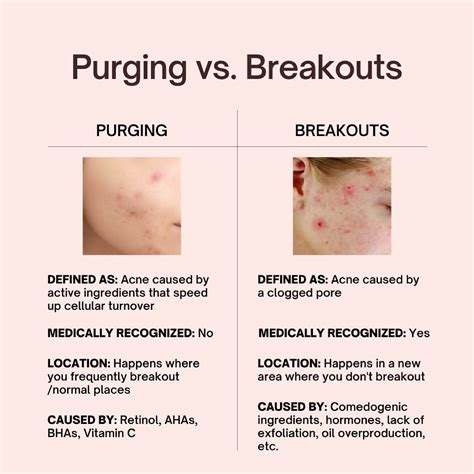
- Skin Purging vs. Breakouts: Sudden breakouts might be a sign of "skin purging," a process where active ingredients in a product accelerate skin cell turnover, bringing impurities to the surface. Purging typically clears up faster than regular breakouts and occurs in areas where you usually break out after introducing a cell turnover-promoting product.
- Harsh Ingredients: Toners formulated with harsh ingredients, particularly high concentrations of alcohol, can strip the skin's natural oils. This can lead to increased sebum production as the skin tries to compensate, thus clogging pores and causing acne. Alcohol can also cause irritation and inflammation.
- Over-exfoliation: Toners containing high levels of strong acids, such as glycolic or salicylic acid, can lead to over-exfoliation, especially for sensitive, acne-prone skin. This can damage the skin barrier and worsen breakouts.
What to Look for in Acne-Friendly Toners:
- Alcohol-free formulas: Opt for toners that do not contain alcohol to avoid stripping the skin and triggering excess oil production.
- Gentle, hydrating ingredients: Look for ingredients like hyaluronic acid (which helps regulate oil production), witch hazel (a natural astringent), and niacinamide (Vitamin B3, which minimizes pores and promotes elasticity).
- Plant-based ingredients: Toners enriched with natural vitamins and antioxidants can combat aging, improve skin texture, and promote a healthy glow without adverse effects.
- Non-comedogenic properties: Ensure the toner itself is formulated not to clog pores.
When choosing a toner, consider its ingredients and how they align with your skin type. Toners with high alcohol content are often astringents meant for oily skin, while sensitive or dry skin may benefit from alcohol-free, hydrating options.
Acne Cosmetica: When Makeup Causes Breakouts
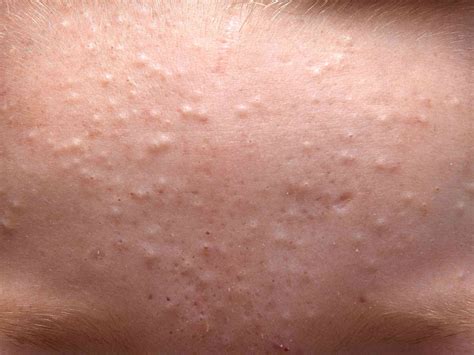
Acne cosmetica is a specific type of acne caused or aggravated by the use of cosmetic and skincare products. This condition can manifest as small lumps, rough skin texture, comedones, papules, and pustules, often with minimal irritation.
Causes and Characteristics of Acne Cosmetica:
- Product-related: It is directly linked to ingredients in makeup, moisturizers, sunscreens, and hair products that can clog pores or irritate the skin.
- Comedogenic ingredients: Even products labeled "safe" or "natural" can contain comedogenic chemicals that lead to pore blockage and breakouts.
- Onset and progression: Acne cosmetica typically worsens with the consistent use of pore-clogging products and persists until the offending product is removed.
Preventing Acne Cosmetica:
- Read labels carefully: Always choose makeup labeled "non-comedogenic."
- Select acne-fighting ingredients: Some foundations contain ingredients like salicylic acid that can help treat clogged pores.
- Avoid pore-clogging ingredients: Steer clear of silicones, heavy oils (like lanolin, coconut oil, mineral oils), waxes, fragrances, dyes, acrylics, and parabens.
- Opt for water-based or mineral makeup: These formulations are generally lighter and less likely to clog pores. Oil-free products are also recommended.
- Proper makeup removal: Thoroughly remove all makeup at the end of the day using methods like double cleansing or micellar water.
- Cleanliness: Regularly clean makeup brushes and applicators, and avoid sharing makeup.
- Give your skin a break: Whenever possible, allow your skin to go makeup-free to reduce the risk of pore blockage and irritation.
When to See a Dermatologist About Your Acne
If your breakouts persist or worsen despite diligent skincare, it may be time to seek professional advice. A dermatologist can help diagnose the underlying cause of your acne and recommend appropriate treatments.
Signs It's Time to Consult a Dermatologist:
- Breakouts have worsened or become more painful.
- Skin is consistently dry, inflamed, and irritated.
- Acne is leaving scars and dark marks.
- Over-the-counter products have been ineffective.
Some types of acne, such as those caused by underlying skin conditions like rosacea or hormonal imbalances, require prescription medications and specialized treatments that only a dermatologist can provide.