Washing your face daily is a fundamental part of any skincare routine. While methods like double cleansing or using a cleansing balm are popular, micellar water offers a gentle and effective alternative for removing dirt, grime, and makeup.
This skincare cleanser is formulated with purified water, moisturizers, and mild surfactants. It not only helps to prevent acne but also avoids stripping the skin of its natural oils. Its formulation, free from harsh chemicals and alcohol, makes it an excellent choice even for individuals with sensitive skin.
What is Micellar Water?
Originating in France, micellar water is a widely used skincare product designed to remove impurities and makeup from the skin. It is a very gentle solution containing a mild detergent.
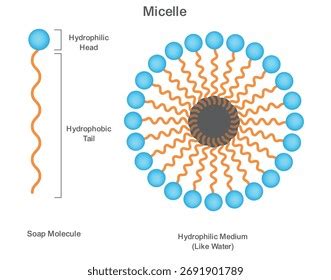
Dr. Alok Vij, MD, explains that the name "micellar" comes from micelles, which are collections of molecules. "It's called micellar water because there's such a mild concentration of soap or detergent molecules in the water that it's basically like little microscopic bubbles floating in water, so it doesn’t even feel like a soapy solution - it just feels like water," he states.
How Micellar Water Works
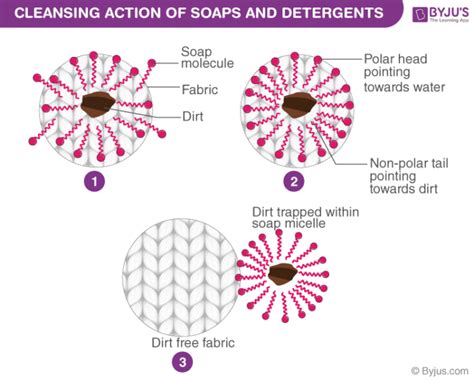
Micellar water utilizes tiny cleansing molecules called micelles. Each micelle possesses a water-loving outer layer, allowing it to blend with the water solution, and an inner core that attracts dirt, oil, and makeup. When micellar water is applied to the skin, the core traps these impurities, while the outer layer facilitates their easy removal without the need for harsh scrubbing.
Compared to many soaps or cleansers that can strip the skin of essential oils, leaving it feeling tight or dry, micellar water is much milder. It acts like a magnet, lifting oil, dirt, and other impurities off the skin, including most makeup.
Micellar Water vs. Toner
Face toners are typically used after cleansing and before applying moisturizers or serums. Traditionally, toners aimed to remove excess oil and any residual dirt or makeup left after washing. However, modern toners have evolved.
"The newer generations of toners are more focused on skin hydration and are less about cleansing," notes Dr. Vij. "Many of them actually have water as the primary ingredient - similar to micellar water. The difference is the added ingredients - no micelles of soap, but low concentrations of alpha or beta hydroxy acids, for anti-aging or anti-acne purposes, or moisturizers."
Therefore, you can use a toner after washing your face, even if your initial cleanser is micellar water. Micellar water functions as a gentle cleanser and makeup remover, while toner is usually the second step in a skincare routine, aimed at adding moisture, removing any leftover residue, and preparing the skin for serums or creams.
Does Micellar Water Remove Makeup?
Micellar water can remove most makeup, including some waterproof cosmetics, due to its mild detergent content. However, it may not entirely remove all types of makeup, especially specialized products like stage makeup or certain waterproof mascaras.
"But it doesn’t take off all kinds of makeup," states Dr. Vij. "If you use specialized makeup like stage makeup or even some kinds of waterproof cosmetics like mascara, it may not get all of it off. But it’s a great product to get a lot of makeup off. And for most people, it would probably be sufficient." For stubborn makeup or sunscreen, an oil-based cleanser might be more effective, which can then be followed by micellar water.
Other Micellar Water Benefits
Beyond makeup removal, micellar water offers several other advantages for the skin:
Prevents Oil Stripping
By using gentle cleansers, micellar water is less harsh than traditional facial cleansers that can strip the skin of its natural oils, leading to tightness and dryness. While some formulas contain glycerin for hydration, it's still essential to apply your daily face cream or moisturizer.
Keeps Skin Clear
For individuals with oily skin, exfoliating cleansers can increase the likelihood of clogged pores and acne. "Micellar water can be a good solution to add to your skin care routine for those with oily skin," says Dr. Vij. "It’s mild but effective at keeping your skin clean without over-drying or without using too many added chemicals."
Suitable for All Skin Types
Its gentle nature and ability to avoid stripping oils make micellar water a beneficial option for all skin types. "If you have neutral skin to dry skin, it’s definitely great," says Dr. Vij. "And if you have rosacea, atopic dermatitis or allergic contact dermatitis, it’s great for you as well." Research also indicates that micellar water is less likely to cause itching, tingling, or burning, making it safe for sensitive skin and conditions like rosacea.
Safe for Sensitive Areas
Most micellar water brands are formulated to be gentle enough for use around the eyes and lips, though it's always advisable to check the product label.
How to Use Micellar Water
There are two recommended methods for using micellar water:
- Direct Application: Splash a small amount of micellar water into your hands and gently massage it over your face. No rinsing is required.
- With an Applicator: Moisten a microfiber washcloth, cotton pad, or reusable eco-pad with micellar water (without soaking it) and gently wipe it across your skin to remove impurities, dead skin cells, or makeup.
Micellar water does not require rinsing, making it a convenient option for travel or when access to a sink is limited. For those who prefer, a rinse is optional if a residue is felt on the skin.
How to use Micellar Water to Remove Makeup With and Without Cotton Pads (Microfiber cloth)
Micellar Water Ingredients
In its most basic form, micellar water consists of purified water and micelles. Many brands also incorporate hydrating agents like glycerin. It should not contain harsh chemicals or alcohol, although some formulations may include additives such as charcoal, vitamin C, or oils tailored for specific skin types.
Dr. Susan Massick, clinical associate professor of dermatology, advises choosing simple formulas with minimal added fragrance or essential oils. "You want something very simple that doesn't have a lot of additive fragrance or essential oils," she says. "Try to get the most basic micellar water."
Micellar Water for Hair?
While some beauty influencers suggest using micellar water as a substitute for dry shampoo, claiming it absorbs oil from the scalp, there is no scientific research to support its effectiveness for this purpose. Dr. Massick cautions that since it's not rinsed out, micellar water can leave residue and make hair wet, and suggests that more scalp-friendly products are available for oil removal.
When to Use Micellar Water in Your Skincare Routine
Micellar water can serve as a primary cleanser, a makeup remover, or the first step in a double-cleansing routine, especially for those with heavy makeup or oily skin. It can also double as a toner after cleansing with facial foam.
For daily makeup removal, its gentleness is beneficial. If wearing makeup daily, apply micellar water to a cotton pad and hold it on the area for a few seconds to allow the micelles to work before wiping away makeup. After removing makeup, it's often recommended to wash the skin with a face wash to remove any remaining dirt and impurities before proceeding with the rest of your skincare routine.
If you experience occasional irritation after cleansing, your toner might be the culprit, and micellar water could be a gentler alternative. While toners are beneficial for many, they aren't essential for everyone. Cleansers, including micellar water, are the foundation of any good skincare routine.
Where to Get Micellar Water
Micellar water is widely available at most drugstores and department stores, both online and in-store. Prices can range from approximately $6 to $25, depending on the brand, size, and added ingredients. "It's inexpensive and widely available," says Dr. Massick. "It doesn't have to be something fancy."