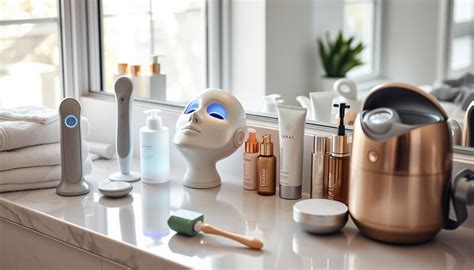
Skincare is often associated with a sense of luxury and romance, offering a dedicated time to prioritize personal needs and well-being. Engaging in a skincare ritual signifies acknowledging self-worth and valuing oneself. The fundamental principle behind layering skincare products is to apply them in a precise sequence, ensuring optimal absorption and interaction with the skin.
The Foundation of a Skincare Routine
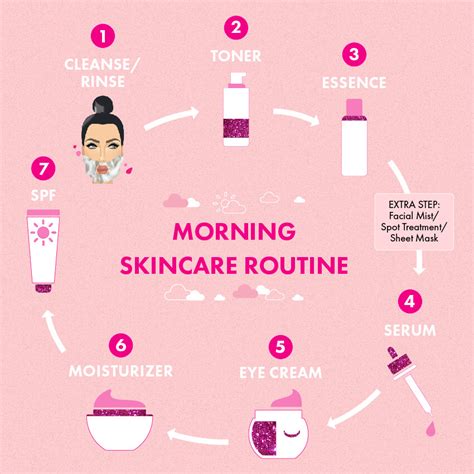
Before applying any skincare products, it is essential to start with a thoroughly cleansed face. This creates a "clean canvas" for subsequent products. Serums are a crucial part of this process, characterized by their highly concentrated formulas designed to target specific skincare concerns. Their potent ingredients allow them to penetrate deeply into the skin.
The Importance of Moisturizing and Protection
Moisturizers play a vital role in providing essential hydration and sealing in all the previously applied skincare layers. It is important to select a moisturizer that aligns with your individual skin type and concerns. The final, indispensable step in a daytime skincare routine is the application of sunscreen to protect the skin from harmful UV rays.
Navigating the Complexity of Multi-Step Routines
One of the primary challenges associated with multi-step skincare routines is their inherent complexity. The sheer number of products used can increase the likelihood of inflammatory responses. Each product contains various active ingredients, and their combination might sometimes lead to adverse reactions such as redness, irritation, or breakouts. Overloading the skin with multiple products can hinder its ability to absorb and benefit from the active ingredients.
Furthermore, a multi-step skincare routine demands a significant time commitment. The financial burden can also be substantial, as the cost of numerous products can quickly accumulate.
The Rationale Behind Product Layering
The primary motivation for product layering stems from the understanding that a single product may not effectively address all unique skin issues. However, this strategy can be undermined when different product ingredients interfere with one another. While some guidelines suggest using up to 10 products, it is often more beneficial to start with a two or three-step routine to identify which products yield the best results for your skin.
A comprehensive routine might include a cleanser, exfoliating product, toner, serum, moisturizer, eye cream, oil, and sunscreen. When building your skincare system, it is crucial to identify your core skin concerns, whether they involve managing acne, combating dryness, controlling oil, or achieving hydration.
Understanding Ingredient Compatibility
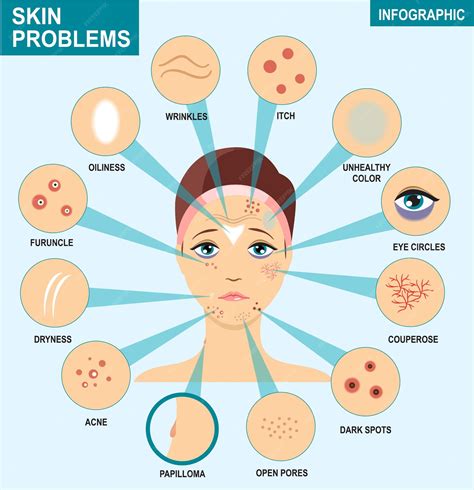
While exfoliants, toners, antioxidant serums, and retinol are common in skincare routines, using products with incompatible ingredients can negate their effectiveness and lead to irritation. For instance, combining exfoliating acids like AHAs/BHAs with retinol is generally not recommended due to the increased risk of skin sensitivity, irritation, dryness, and breakouts. Similarly, vitamin C and retinol, due to their potency and differing pH requirements for efficacy, are best used at different times of the day.
Harmful Pairings to Avoid:
- AHAs/BHAs and Retinol: Can increase skin sensitivity, leading to irritation, dryness, and breakouts.
- Vitamin C and Retinol: Potent ingredients that can increase irritation and dryness; they have different optimal pH levels for effectiveness.
- Retinol and Benzoyl Peroxide: Can decrease the effectiveness of each other, potentially leading to irritation.
- Vitamin C and AHAs/BHAs: Can decrease the effectiveness of both ingredients and cause irritation, especially for sensitive skin.
Optimizing Your Skincare Routine: Step-by-Step
A structured approach to layering skincare ensures that each product performs optimally.
Step 1: Start With Clean Skin
Begin by cleansing your face with a gentle cleanser suited to your skin type. This removes impurities and prepares the skin for product absorption. Leaving the skin slightly damp after cleansing can enhance product penetration, especially for hydrating products. However, if using potentially irritating ingredients like retinol or glycolic acid, it is advisable to apply them to dry skin to minimize irritation.
Step 2: Apply Spot Correctors (If Needed)
Spot treatments are designed to target specific areas, such as acne or dark spots. Ingredients like benzoyl peroxide, salicylic acid, or sulfur are common for acne, while kojic acid, tranexamic acid, or antioxidants are used for dark spots. Spot correctors are typically applied as the first step after cleansing to allow for maximum penetration.
Step 3: Exfoliate
Exfoliants remove dead skin cells, priming the complexion for the rest of your routine. They can be found in toners, serums, masks, or scrubs and may contain physical or chemical exfoliants like AHAs and BHAs. Exfoliation should be done right after cleansing. It's important to avoid over-exfoliation, which can disrupt the skin barrier, leading to irritation and breakouts. Generally, exfoliating two to three times per week is recommended.
Step 4: Use Hydrating Toners or Essences
Toners have evolved from astringent formulas to hydrating and nourishing products that help balance the skin's pH. If your toner contains exfoliating properties, consider it your exfoliating step. Essences are similar to serums but are typically lighter and more focused on hydration.
Step 5: Layer Serums
Serums are highly concentrated and target specific concerns. When layering multiple serums, the general rule of thumb is to apply from the thinnest to the thickest consistency. Water-based serums, such as those containing hyaluronic acid, vitamin C, and niacinamide, should be applied first. Heavier, oil-based serums, like those with retinol or face oils, follow. It's advisable to apply serums targeting your primary concerns first. While cocktailing serums in your palm before application is acceptable for products of similar viscosity without potentially irritating ingredients, it's crucial to allow each product to absorb before applying the next. Generally, no more than two to three serums should be used at a time to avoid overwhelming the skin.
How To Layer Skincare Using The Thinnest To Thickest Method?
Step 6: Apply Retinoids (If Using)
Retinoids, a derivative of vitamin A, are powerful ingredients that boost collagen production, increase cell turnover, and improve skin texture and hyperpigmentation. They should be used carefully and integrated slowly into a routine. For sensitive skin or beginners, applying retinoids over moisturizer can help minimize irritation. Over time, you may be able to apply them directly to dry skin.
Step 7: Use Eye Cream
The delicate skin around the eyes often shows signs of aging, puffiness, and dark circles. Eye creams and serums are formulated to target these concerns gently. Ingredients like caffeine can help with puffiness, while peptides, growth factors, and retinol can address fine lines. Vitamin C and niacinamide can brighten dark circles, and hyaluronic acid provides hydration. Eye creams can be used once or twice daily, with lighter formulas suitable for daytime and thicker, retinol-containing creams for nighttime.
Step 8: Moisturize
Moisturizers are essential for locking in hydration and sealing previous layers. Choose a moisturizer based on your skin type: lightweight options for oily skin and richer formulas for dry skin.
Step 9: Apply Face Oil (Optional)
Face oils act as occlusive barriers, trapping moisture in the skin. They should be applied after moisturizer to seal in its hydrating benefits.
Step 10: Finish With Sunscreen (Daytime Routine)
Sunscreen is the most critical step in a daytime routine, protecting against superficial issues and harmful UV rays. It should be the final step, and no skincare should be applied over sunscreen to maintain its protective benefits. Some moisturizers contain SPF, combining steps eight and ten.
Morning vs. Evening Routines
Skincare needs vary between day and night. Exfoliating serums like retinols, enzymes, and acids are best reserved for the evening. Antioxidants, such as vitamin C, are ideal for daytime protection against UV damage and free radicals. Evening routines can focus on restoration with retinol for cell turnover and collagen production, along with barrier-repair ingredients like niacinamide and ceramides.
Beneficial Serum Pairings
- Vitamin C and Hyaluronic Acid: This combination evens skin tone, plumps fine lines, and offers sun protection.
- Retinol and Peptides: An effective anti-aging duo that stimulates collagen production, aids cell turnover, and heals the skin barrier.
- AHAs/BHAs and Ceramides: This pairing exfoliates dead skin cells while ceramides restore the skin barrier, resulting in a brighter complexion with less irritation.
- Niacinamide and Retinol: Niacinamide's anti-inflammatory properties help reduce the irritation often associated with retinol, making it a good option for sensitive skin.
Incorporating Skincare Devices
Skincare devices, such as lasers or LED masks, are typically used after cleansing on dry skin, unless otherwise directed. Some devices may incorporate serum application to enhance ingredient penetration.