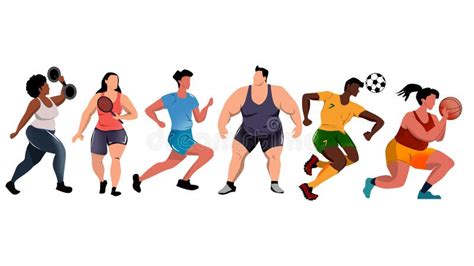
Many individuals are concerned with cellulite, a common cosmetic issue that causes dimples or lumps on the thighs, hips, buttocks, and/or belly. It occurs when fat beneath the skin pushes up against the connective tissue, creating an uneven surface. While exercise can contribute to overall health and body composition, its direct impact on completely eliminating cellulite is often misunderstood. This article aims to provide a science-based understanding of how exercise affects cellulite, debunking myths and offering practical insights.
The Science Behind Cellulite
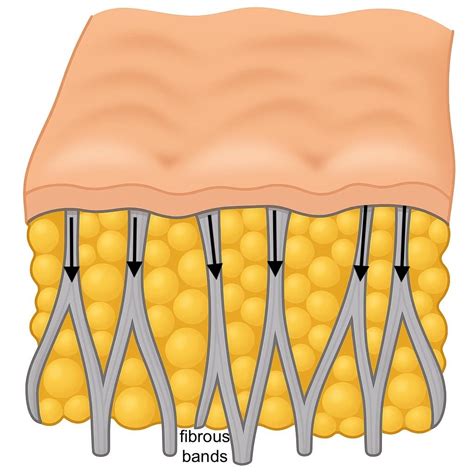
Cellulite is caused by a combination of factors: fibrous bands, skin laxity, and fat cells. Beneath the skin, fibrous bands connect the skin to the underlying muscle, with fat lying in between. Over time, these bands can thicken, creating tension on the skin. As fat cells accumulate, they push into the skin, while the thickened bands pull down, resulting in the characteristic dimpled appearance. Despite common beliefs, weight gain, lack of exercise, or an unhealthy diet are not the sole causes, though they can influence its appearance.
It's important to understand that spot fat reduction, the idea of targeting fat loss in a specific area through targeted exercises, is biologically impossible. Fat is released systemically during exercise, not locally from the muscles being worked. Therefore, exercises like plié squats, hip thrusts, or inner thigh exercises, while beneficial for muscle strength, do not directly remove cellulite from those specific areas. They may tighten the muscle underneath, but the cellulite and local fat will persist.
Exercise and Cellulite: What Works and What Doesn't
The effectiveness of exercise in reducing cellulite depends on two primary factors:
- Factor I: Calorie Burning (During and After Exercise): The ability of exercise to burn calories directly during the activity and to stimulate long-term metabolic changes that increase calorie expenditure throughout the day.
- Factor II: Mechanical Stimulation and Circulation: The capacity of exercise to provide mechanical stimulation to fibroblasts (collagen and elastin-producing cells), adipocytes (fat cells), blood vessels, and lymphatic vessels. This stimulation can lead to increased collagen and elastin production, improved circulation, and potentially reduced fat cell size.
Exercises with Minimal Impact
Certain types of exercise have little to no significant effect on cellulite due to low calorie burn and minimal mechanical stimulation:
- Pilates and Yoga: While beneficial for flexibility and core strength, these activities generally burn few calories and provide limited mechanical stimulation, resulting in minimal impact on cellulite. Intensive versions might increase calorie burn but still offer little mechanical stimulation due to their largely static nature.
- Slow Elliptical Training, Slow Cycling, and Slow Swimming: Similar to Pilates and yoga, these activities contribute minimally to cellulite reduction.
Exercises with Moderate Impact
These activities offer a moderate improvement in cellulite appearance:
- Fast Walking or Uphill Walking (Hiking): These provide more intense mechanical stimulation and increased calorie burning compared to slow walking, making them more efficient.
- Slow Running: Offers more mechanical stimulation and burns more calories than fast walking, placing it higher on the list for moderate cellulite reduction.
- Fast Elliptical Training and Fast Cycling: Can burn a significant amount of calories but provide less mechanical stimulation.
- Fast Swimming: Burns a lot of calories and provides moderate mechanical stimulation through the micro-massage effect of agitated water on the skin.
Exercises with Enhanced and Intensive Impact
These exercise types are more effective due to a combination of higher calorie burn and greater mechanical stimulation:
- Steady State Running, HIIT, Circuit Classes, Spinning/Peloton, Aerobics Classes: These activities burn a considerable number of calories and provide necessary mechanical stimulation to the tissues, leading to enhanced cellulite reduction. High-impact aerobics and spinning/Peloton classes are particularly effective.
- Interval Running, Power Plate Training, Fast Running: These methods offer intensive cellulite reduction. Doing squats and lunges on a power plate, for instance, provides very intense mechanical stimulation. Interval running, with its intense calorie burn, metabolism boost, and mechanical stimulation, is considered one of the best types of cellulite reduction exercise.
The Ultimate Exercise for Cellulite
Uphill Interval Running (UIR) is often cited as the ultimate exercise for cellulite. It provides intense mechanical stimulation to fibroblasts, a significant metabolism boost, and high calorie burning, making it highly effective.
Hill Intervals Tread Run!
Can Exercise Make Cellulite Worse?
While exercise generally improves the appearance of cellulite by reducing body fat and toning muscles, there are instances where its appearance might seem temporarily exacerbated. This can be due to:
- Lactic Acid Buildup: A byproduct of anaerobic respiration, lactic acid can accumulate in muscles after intense exercise. This buildup typically lasts from 30 minutes to a few hours and can temporarily affect the skin's appearance.
- Dehydration: Insufficient water intake can cause the body to retain water in cellulite-prone areas, making cellulite more visible.
It's crucial to remember that these are temporary effects. Consistent, appropriate exercise, combined with adequate hydration, will generally lead to an improvement in cellulite appearance over time.
Beyond Exercise: A Holistic Approach
While exercise plays a significant role, a holistic approach is essential for managing cellulite:
- Healthy Diet: A balanced diet rich in vegetables, lean proteins, and berries, while limiting sugary and fatty foods, is crucial for reducing excess body fat, which can influence cellulite.
- Topical Treatments and Creams: While no single product can magically eliminate cellulite, potent cellulite creams or treatments, especially when used in conjunction with exercise, can enhance localized fat release. Applying these treatments immediately before or after exercise can amplify their effects.
- Skincare Routine: A comprehensive skincare routine that includes exfoliation, hydration, and detoxification can promote overall skin health and improve its appearance.
Combining intensive exercise (such as interval running or HIIT) with effective cellulite treatments or creams offers the most pronounced results for localized fat reduction and cellulite improvement. This combination leverages the adrenaline-induced fat release during exercise with the targeted action of treatments.
Acceptance and Body Positivity
It's important to acknowledge that cellulite affects a vast majority of women, regardless of their shape, size, age, or race. While exercise can improve its appearance, fibrous bands, a key component of cellulite, are permanent. The focus should shift from complete elimination to management and acceptance. Many athletes, including professional runners, have cellulite, highlighting that it is a normal physiological trait. The true value of exercise lies in its benefits for overall health, strength, mental well-being, and the ability to perform physical activities, rather than solely on cosmetic outcomes.