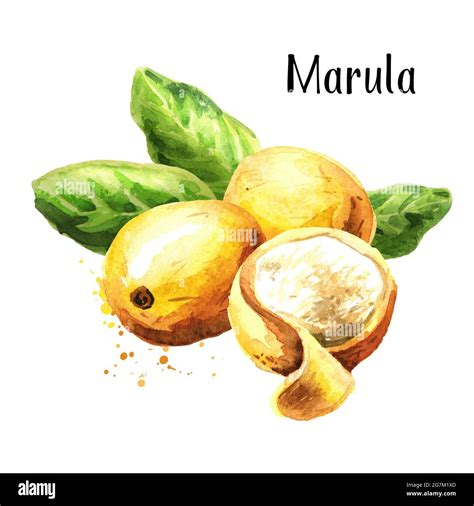
The marula fruit tree, scientifically known as Sclerocarya birrea, is a native species to parts of southern Africa. These trees, once rare and considered sacred, with ancient links to fertility and happy marriage, are now cultivated and widely used. The fermented fruit of the marula tree was even believed to intoxicate elephants, highlighting its appealing taste to both animals and humans. Across Africa, various parts of the marula tree are incorporated into food and traditional medicine.
At the core of the marula fruit lies a hard, brown nut containing pliable, white kernels. It is primarily from these kernels, though sometimes also from the nut's outer husk, that marula oil is extracted. This oil is recognized for its richness in protein and its high absorbency, making it a valuable treatment for both skin and hair.
The Scent and Composition of Marula Oil
Marula oil possesses a pleasant aroma, often described as having a fruity, floral scent with a warm, nutty undertone. This characteristic makes it a popular base note in various perfumes, body lotions, and soaps. As a relatively recent addition to the beauty oil market, marula oil has gained popularity due to its light texture and substantial moisture-retaining properties, establishing itself as a favored treatment for skin, hair, and nails.
The oil is a key ingredient in a diverse range of cosmetic products and can also be purchased as a standalone essential oil. Its beneficial components include:
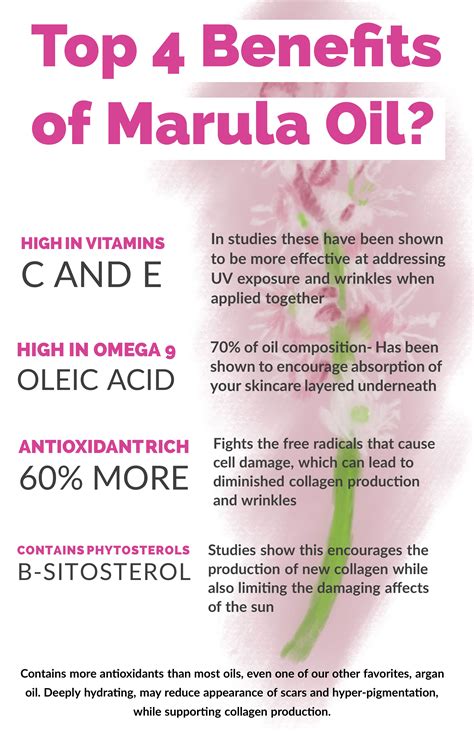
- Amino acids: Specifically L-arginine and glutamic acid, which are known for their hydrating and anti-aging properties.
- Fatty acids: Such as palmitic, stearic, oleic, and myristic acids, which provide emollient and moisturizing benefits.
- Antioxidants: Including phenolic compounds and vitamins E and C, which combat free radicals and may help protect the skin from damage caused by UV rays and pollution.
Marula Oil for Facial Skincare
Due to its lightweight nature, marula oil absorbs easily into the skin, making it an effective moisturizer, particularly for dry or aging complexions. It shows potential in smoothing and softening fine lines, preventing stretch marks, and maintaining skin hydration and nourishment. It also serves as an effective lip moisturizer.
While there is no definitive scientific evidence to support its efficacy for specific skin conditions like eczema and psoriasis, anecdotal reports suggest it can help reduce the irritation, itching, and dryness associated with these conditions.
Marula Oil for Acne-Prone Skin
Marula oil is a beneficial moisturizer for oily skin and can aid in treating acne. Its non-greasy formulation is a significant advantage. Furthermore, its antimicrobial properties may be effective against the bacteria that contribute to the formation of pimples, whiteheads, and blackheads.
The oil's antioxidant properties, including vitamins E and C, are crucial in fighting free radicals, which can damage skin cells and accelerate aging. These antioxidants also help protect the skin from environmental stressors like pollution and UV radiation.
Marula Oil for Hair and Nails
Marula Oil for Hair
Marula oil can effectively nourish hair from root to tip without imparting excessive greasiness. Its hydrating, moisturizing, and occlusive properties (which help prevent water loss) make it particularly beneficial for dry, frizzy, or brittle hair. The oil's lightweight nature ensures it adds moisture without weighing hair down or diminishing volume. Its easy absorption contributes to a shinier appearance, while antioxidants nourish hair follicles, potentially aiding in the reduction of split ends and overall hair health. Marula oil can also help tame frizz and balance the scalp's natural oils, offering protection against UV rays and pollution, and potentially promoting hair growth.
Marula Oil for Nails
Marula oil proves effective in maintaining the suppleness of nail beds and cuticles. This can help reduce the occurrence of hangnails and alleviate the discomfort of cracked skin around the nails. Regular application can lead to softer, more youthful-looking skin around the nails.

Versatile Applications of Marula Oil
Marula oil boasts a wide array of uses across various personal care routines:
Shampoo and Hair Conditioner
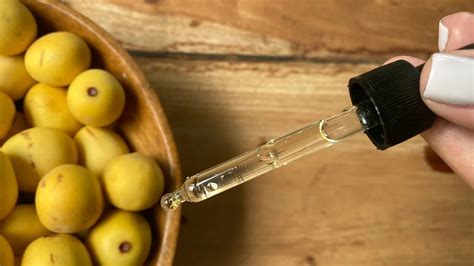
Many shampoos now include marula oil as an ingredient. Alternatively, a few drops of pure, cold-pressed marula oil can be added to your preferred shampoo. It can also be used as a pre-shampoo treatment. For conditioning, marula oil can be applied to the ends of the hair to combat split ends and dryness. Massaging it into the scalp may help reduce dandruff. It can also be used as an anti-frizz treatment before heat styling or before going out in humid weather.
Facial Moisturizer
Marula oil serves as an effective daytime and nighttime moisturizer for all skin types, whether oily or dry. A few drops are sufficient, and its quick absorption allows for application before makeup. Its properties are similar to the skin's natural oils, and it is non-comedogenic, meaning it does not clog pores. It can help other skincare products penetrate better and works harmoniously with other ingredients without negative interactions.
Skin Lotion
As an overall body skin conditioner, marula oil can be applied liberally after bathing or before bed, particularly on dry areas like elbows and knees, and behind the ears. Its moisturizing capabilities help keep the skin well-hydrated, contributing to a healthy appearance and providing nourishment on a deeper level.
Nail Treatment
Marula oil can be massaged into cuticles after removing nail polish, which can be drying, or used as a nighttime treatment for softening nail beds.
Comparisons with Other Oils
Marula oil shares similarities with other popular oils like Argan oil, both containing antioxidants, Vitamin E, and fatty acids beneficial for the skin. However, marula oil has a higher concentration of oleic acid, contributing to deeper moisturization, and uniquely contains Vitamin C, which Argan oil lacks. While Argan oil is often recommended for acne-prone skin, marula oil is favored for aging or sun-damaged skin due to its superior moisturizing and anti-aging properties.
Potential Risks and Precautions
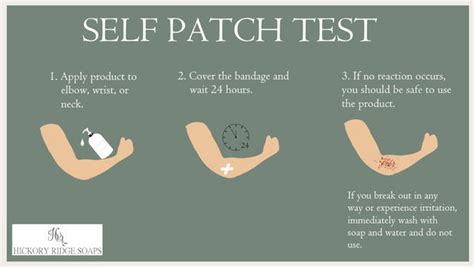
There are no specific, widely documented risks associated with the use of marula oil. However, individuals with nut allergies should exercise caution, as an allergic reaction is possible. To test for potential allergies, apply three or four drops of marula oil to the inner forearm and wait 24 hours. If no hives, redness, or irritation occurs, it is likely safe to use. It is also important to avoid getting marula oil into the eyes, as this could potentially lead to vision problems.